2-Person vs 3-Person Tent: Is the Extra Weight Worth It?
Moving up to a 3-person tent adds 12–20 oz and real floor space. Here's exactly when that trade-off makes sense — and when it doesn't.
Key Takeaways
- What the Weight Difference Actually Looks Like: Moving from a 2-person to a 3-person tent typically adds 12–20 oz to your pack.
- When the 3-Person Tent Is Worth It: Two larger adults.
- When to Stick with 2-Person: For two average-sized adults doing 3-season backpacking in decent conditions, a quality 2-person tent with 29–35 sq ft of floor space is genuinely comfortable.
- The Bottom Line: Think about your worst-case scenario.
The 3-person tent pitch goes like this: "We're only two people, but a 3-person tent gives us so much more room. Worth the extra weight, right?"
Sometimes yes. Often no. Here's how to actually think through this decision.
What the Weight Difference Actually Looks Like
Moving from a 2-person to a 3-person tent typically adds 12–20 oz to your pack. That's roughly ¾ to 1¼ pounds — not nothing over a 15-mile day, but also not catastrophic.
The floor space gain is typically 8–15 square feet. A good 2-person tent offers 28–32 square feet; a comparable 3-person offers 38–45 square feet. That extra space feels luxurious when you're changing clothes in the rain, but much less relevant when you're actually sleeping.
For context on how weight compounds over a multi-day trip, the guide on ultralight backpacking tips breaks down the math on every pound in your pack.
When the 3-Person Tent Is Worth It
Two larger adults. If either camper is over 6'2" or wide-shouldered, a standard 2-person tent becomes genuinely cramped. The extra floor area in a 3-person tent makes the experience meaningfully better, not just marginally so.
Camping with dogs. A medium or large dog takes up roughly the floor space of a second person. Two humans plus a lab in a 2-person tent is a miserable night. Two humans plus a dog in a 3-person tent is workable.
Extended weather waits. If you're camping in a region where getting tent-bound for half a day is realistic — Pacific Northwest, coastal Atlantic, shoulder season in mountain ranges — the extra room to sit up and organize gear without touching your partner is genuine quality-of-life. The guide on tent setup in wind and rain covers how to make the most of any tent during storms.
Gear storage inside. In bear country or particularly wet conditions where you need everything inside, a 3-person tent gives you a gear-storage end without sacrificing sleeping space.
When to Stick with 2-Person
For two average-sized adults doing 3-season backpacking in decent conditions, a quality 2-person tent with 29–35 sq ft of floor space is genuinely comfortable. You're not cramped — you have your sleeping pad, your sleeping system, and room to roll over without hitting your tentmate.
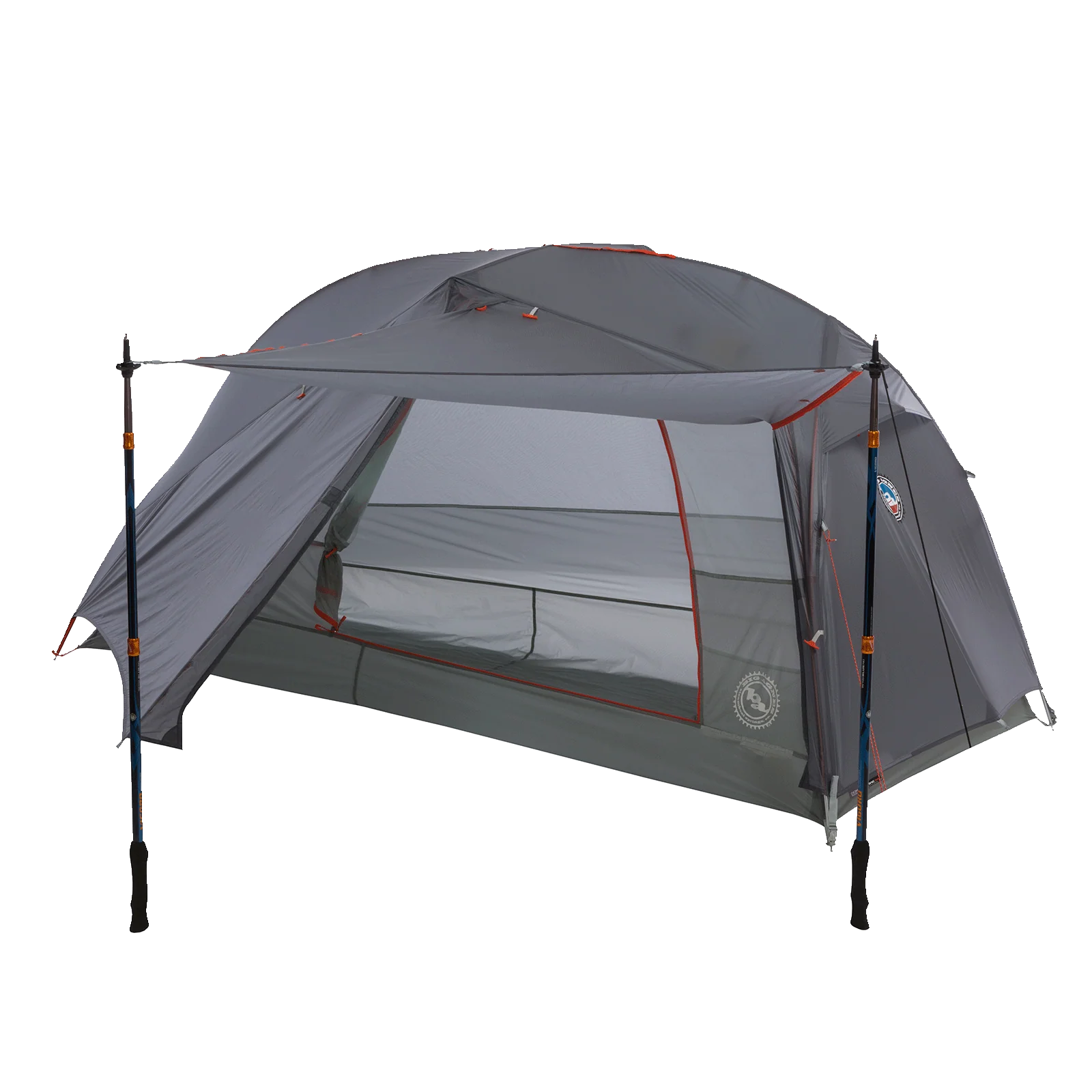
The weight savings of a good 2-person tent over a 3-person equivalent is meaningful on multi-day trips. The Big Agnes Copper Spur HV UL2 and REI Half Dome 2 Plus are both excellent 2-person options covering the full budget spectrum. Browse camping tents for the full range.
The Bottom Line
Think about your worst-case scenario. If your longest trip is a 2-night backpacking loop in summer conditions, go 2-person. If you're planning a 10-day expedition in unpredictable mountain weather, consider 3-person for the livability investment.
- Go 3-person if: taller campers, camping with a dog, extended bad-weather camping, or significant gear storage needed
- Stay 2-person if: average body sizes, 3-season conditions, multi-day backpacking where weight matters
Products We Recommend
Written by
Sarah Chen
Gear Analyst & Writer · Trailwise Gear
Sports science graduate with a background in biomechanics. Brings data-driven analysis to gear testing — quantifying comfort, weight distribution, and material performance.
Ultramarathon Runner · Alpine Mountaineer
Meet the full team →
Find the Best Gear
Browse our expert-ranked gear categories.