Freestanding vs Non-Freestanding Tents: What Backpackers Actually Use
Non-freestanding tents are lighter and loved by thru-hikers. But for most backpackers, freestanding wins in daily use. Here's why — and when each is the right call.
Key Takeaways
- What's the Difference?: Freestanding tents pitch with poles that create a self-supporting structure.
- Why Non-Freestanding Tents Are Popular Among Thru-Hikers: Many experienced backpackers and thru-hikers swear by non-freestanding shelters — tarps, tarp-tents, and designs like the Zpacks Duplex or Six Moon Designs Skyscape.
- Where Freestanding Wins: For the majority of backpackers — people doing weekend to week-long trips, not thru-hikers — freestanding tents are more practical in daily use.
- The Bottom Line: The data is clear: on major long trails, the most popular tents are freestanding designs.
If you've spent time in any backpacking gear forum, you've seen this argument: "Non-freestanding tents are lighter and just as good. Freestanding tents are for car campers."
The truth is messier than either camp admits. Here's what actually happens in the field.
What's the Difference?
Freestanding tents pitch with poles that create a self-supporting structure. Once the poles are assembled and clipped to the tent body, the tent stands on its own — no stakes required for the structure itself. You stake it out afterward for weather resistance, but the tent can be picked up and moved before staking.
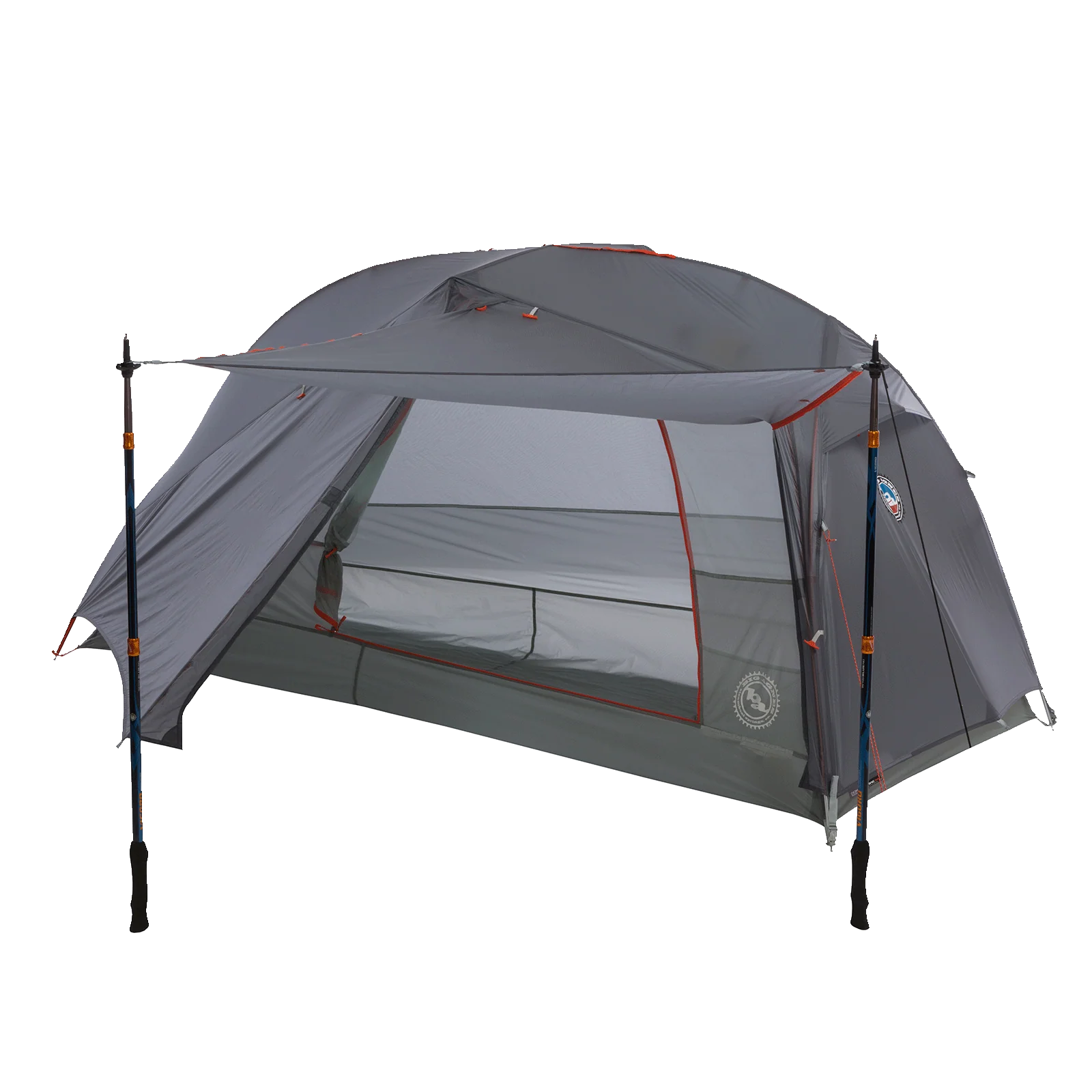
Non-freestanding (or semi-freestanding) tents require stakes or trekking poles to stand. They're often lighter because they use fewer poles and rely on tension from guy lines and stakes to create the structure. Without staking, they're a pile of fabric.
For more on pitching either type in tough conditions, the guide on tent setup in wind and rain covers staking, guylines, and site selection.
Why Non-Freestanding Tents Are Popular Among Thru-Hikers
Many experienced backpackers and thru-hikers swear by non-freestanding shelters — tarps, tarp-tents, and designs like the Zpacks Duplex or Six Moon Designs Skyscape. The reasons are compelling.
Weight is the primary driver. A well-designed non-freestanding tarp-tent for two people can weigh as little as 20 oz versus 40+ oz for a comparable freestanding tent. Over 2,000 miles of hiking, that difference is significant.
They also integrate with trekking poles, which most thru-hikers carry anyway — eliminating the tent's poles entirely from the gear list. And they shed wind better in some configurations because they're pitched closer to the ground with more surface tension.
Where Freestanding Wins
For the majority of backpackers — people doing weekend to week-long trips, not thru-hikers — freestanding tents are more practical in daily use.
Rocky or hardpan surfaces. In the alpine zone, desert camping, or anywhere the ground is too hard to stake easily, a freestanding tent is invaluable. A non-freestanding tent without stakeable ground is unusable.
Setup speed and simplicity. Freestanding tents are faster and more forgiving to pitch in bad conditions — rain, wind, fading light. Non-freestanding shelters require more practice to pitch confidently.
Wind resistance. Many freestanding backpacking tents — particularly double-wall designs — handle storms better than tarps. Browse camping tents to compare freestanding options across weight classes, including the Big Agnes Copper Spur vs REI Half Dome breakdown.
The Bottom Line
The data is clear: on major long trails, the most popular tents are freestanding designs. The Big Agnes Copper Spur, NEMO Dagger, and MSR Hubba Hubba consistently rank as the most-used tents on surveys of long-trail hikers.
- Choose freestanding if: new to backpacking, camp in rocky or desert terrain, value fast reliable setup, or backpack in stormy conditions
- Choose non-freestanding if: experienced backpacker who prioritizes weight, carries trekking poles, hikes routes with soft ground, willing to invest in pitching technique
Products We Recommend
Written by
James Whitfield
Camping & Shelter Specialist · Trailwise Gear
Cold-weather camping expert who has tested tents in conditions ranging from -30°C to desert monsoons. The team's go-to for gear under genuine stress.
Winter Camping Instructor · 4-Season Mountaineer
Meet the full team →
Find the Best Gear
Browse our expert-ranked gear categories.