How to Choose the Right Hiking Trail: A Practical Guide for Every Level
Picking the wrong trail is the fastest way to have a bad hiking experience. Here's the complete framework for matching trail difficulty to your actual fitness and experience level.
Key Takeaways
- The Four Factors That Determine Trail Difficulty: Most trail apps and guidebooks rate trails on a simple scale — easy, moderate, hard.
- How to Use AllTrails Effectively: AllTrails is the most useful trail selection tool available, but it requires some interpretation skill to use well.
- Matching Trails to Your Experience Level: True Beginners (First 1–3 Hikes): Target 3–5 miles round trip, under 500 feet of elevation gain, well-marked maintained trail, close to a trailhead.
Picking the wrong trail is the fastest way to have a bad hiking experience. Go too easy and you're underwhelmed. Go too hard and you're in over your head, exhausted, and potentially unsafe. The gap between "this is amazing" and "I will never hike again" is often a single trail selection decision.
The good news is that trail selection is a learnable skill with a clear framework. Once you understand the factors that determine trail difficulty — and how to honestly assess them against your current fitness and experience — you'll consistently land on trails that are challenging in exactly the right way.
The Four Factors That Determine Trail Difficulty
Most trail apps and guidebooks rate trails on a simple scale — easy, moderate, hard. These ratings are useful starting points but dangerously incomplete without understanding what's driving them. Four factors determine how a trail actually feels:
1. Distance. Total mileage is the number most hikers focus on, but it's the least reliable indicator of difficulty on its own. A 5-mile flat trail and a 5-mile trail with 3,000 feet of elevation gain are incomparable experiences despite identical mileage.
2. Elevation Gain. This is the most underestimated difficulty factor, particularly by beginners. Elevation gain has a multiplicative effect on effort. The standard hiking calculation: hiking time = distance (miles) + elevation gain (thousands of feet) ÷ 2.
3. Terrain. The surface and technical nature of the trail matters as much as distance and gain. A well-maintained dirt path is categorically different from a trail over loose scree, boulder fields, or exposed ridges with scrambling required.
4. Remoteness and Exit Options. A difficult trail near a road with multiple exit points carries different stakes than an equally difficult trail 10 miles from the nearest road with a single route in and out. For solo hikers especially, remoteness is a meaningful difficulty factor.
Difficulty at a Glance
| Factor | Easy | Moderate | Hard |
|---|---|---|---|
| Distance | 2–4 miles | 5–8 miles | 8–12+ miles |
| Elevation Gain | Under 500 ft | 500–1,500 ft | 1,500–3,000+ ft |
| Terrain | Maintained dirt path | Rocky sections, some roots | Scree, scrambling, off-trail |
| Remoteness | Near road/trailhead | 3–5 miles from road | 5+ miles, single route |
How to Use AllTrails Effectively
AllTrails is the most useful trail selection tool available, but it requires some interpretation skill to use well.
Read the reviews, not just the rating. The star rating reflects the collective opinion of everyone who's ever reviewed it — from competitive trail runners who rate every trail "easy" to complete beginners who rate a moderate trail "hard." Read the written reviews, especially recent ones. They tell you things the rating can't: specific sections that are confusing to navigate, current trail conditions, sections that are unusually exposed or technical.
Filter reviews by date — conditions from two years ago are irrelevant to your hike next Saturday. Look for reviews from the last 30 days.
Check the elevation profile. AllTrails shows an elevation profile graph for every trail. Look for: when does the climbing happen? What does the descent look like? Are there multiple significant climbs?
Download maps for offline use. Cell service disappears at most trailheads within the first mile. Before leaving the parking lot, download your trail maps offline — AllTrails has a one-tap download feature. Do it every time.
Matching Trails to Your Experience Level
True Beginners (First 1–3 Hikes): Target 3–5 miles round trip, under 500 feet of elevation gain, well-marked maintained trail, close to a trailhead. Your first few hikes should be slightly below your perceived fitness level — it's better to finish feeling strong and wanting more than to finish depleted and discouraged.
Beginner-Intermediate (5–15 Hikes): Target 5–9 miles, 500–1,500 feet of gain, maintained trail with some rocky sections. At this stage you have a sense of your pace and have sorted out gear basics. The biggest mistake: overconfidence. Be honest about where your fitness actually is, not where you hope it might be.
Intermediate (15+ Hikes): Target 8–15 miles, 1,500–3,000 feet of gain, varying terrain including rock scrambling and off-trail sections. By now you know your pace, understand your water and food needs, and have enough experience with changing conditions to make good judgment calls on trail.
For building fitness to match bigger objectives, see how to train for hiking.
Specific Trail Considerations Worth Knowing
Permit Requirements. A growing number of popular trails require advance permits — particularly in US National Parks and National Forests. Half Dome cables in Yosemite, the Wave in Arizona, the Enchantments in Washington. Check the park's official website for permit requirements weeks or months before your intended hike. Popular permit systems sell out within seconds of opening.
Season and Snowpack. Trails that are accessible in summer can be dangerous in shoulder seasons due to snow coverage. High-elevation trails in the Rockies, Cascades, and Sierra Nevada often carry significant snowpack into July. Check snowpack reports from the relevant National Forest or park service before heading to higher-elevation trails in spring or early summer.
Weather Windows. Mountain weather changes rapidly. A clear morning in Colorado's alpine terrain can turn to thunderstorm in 90 minutes. The standard alpine hiking guideline: plan to be below treeline by early afternoon. Check weather forecasts specifically for the trail's elevation, not just the valley floor.
Trail Etiquette. Hikers going uphill have the right of way — step aside when descending. Yield completely to horses. Stay on the trail — cutting switchbacks accelerates erosion. For the full principles, see Leave No Trace.
Building a Trail Progression Plan
One of the most effective approaches for building hiking fitness and confidence is planning a 6–8 week trail progression — a series of hikes that gradually increase in distance, elevation, and difficulty. Pair this with the 6-week hiking training plan for the fastest improvement.
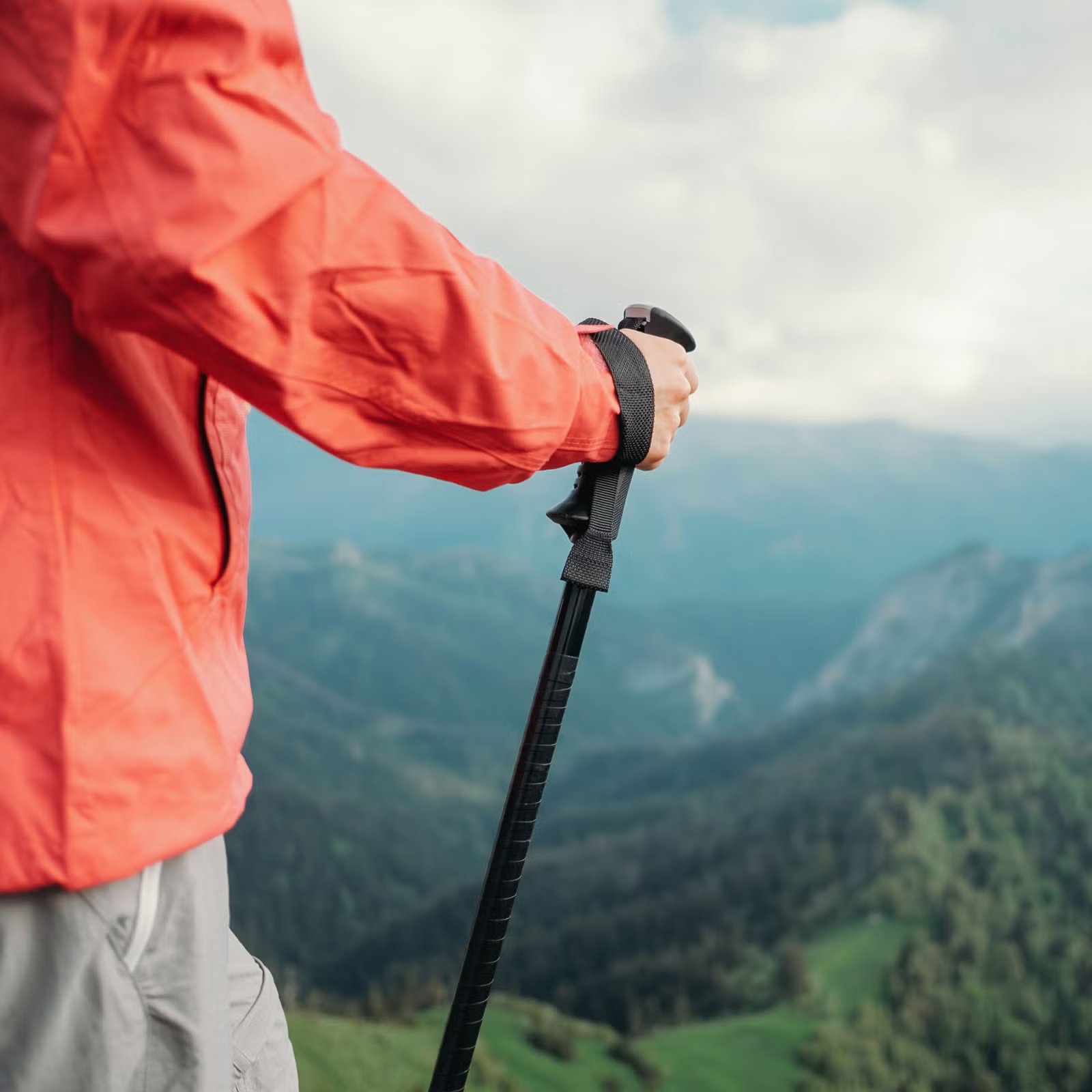
Once you've chosen your trail, make sure your gear is dialed in. The right hiking boots and trekking poles make a meaningful difference, especially on your first significant hikes.
Trail Selection Checklist
Before committing to any trail, confirm:
- Distance and elevation gain match your current fitness level — not your aspirational one
- AllTrails reviews from the last 30 days checked for current conditions
- Offline maps downloaded before leaving the parking lot
- Permit requirements researched for the specific trail and date
- Weather forecast checked at the trail's elevation, not just the valley
- Snowpack conditions verified for shoulder-season high-elevation hikes
- Trip plan left with a trusted person including trail name and return time
- Pack includes the ten essentials — see [how to pack a daypack for hiking](/articles/how-to-pack-a-daypack-hiking)
Products We Recommend

Written by
Marcus Osei
Founder & Lead Reviewer · Trailwise Gear
Former wilderness guide with 15 years of expedition experience across Patagonia, the Rockies, and the Himalayas. Has personally tested over 400 pieces of gear in the field.
PCT Section Hiker · Appalachian Trail Thru-Hiker
Meet the full team →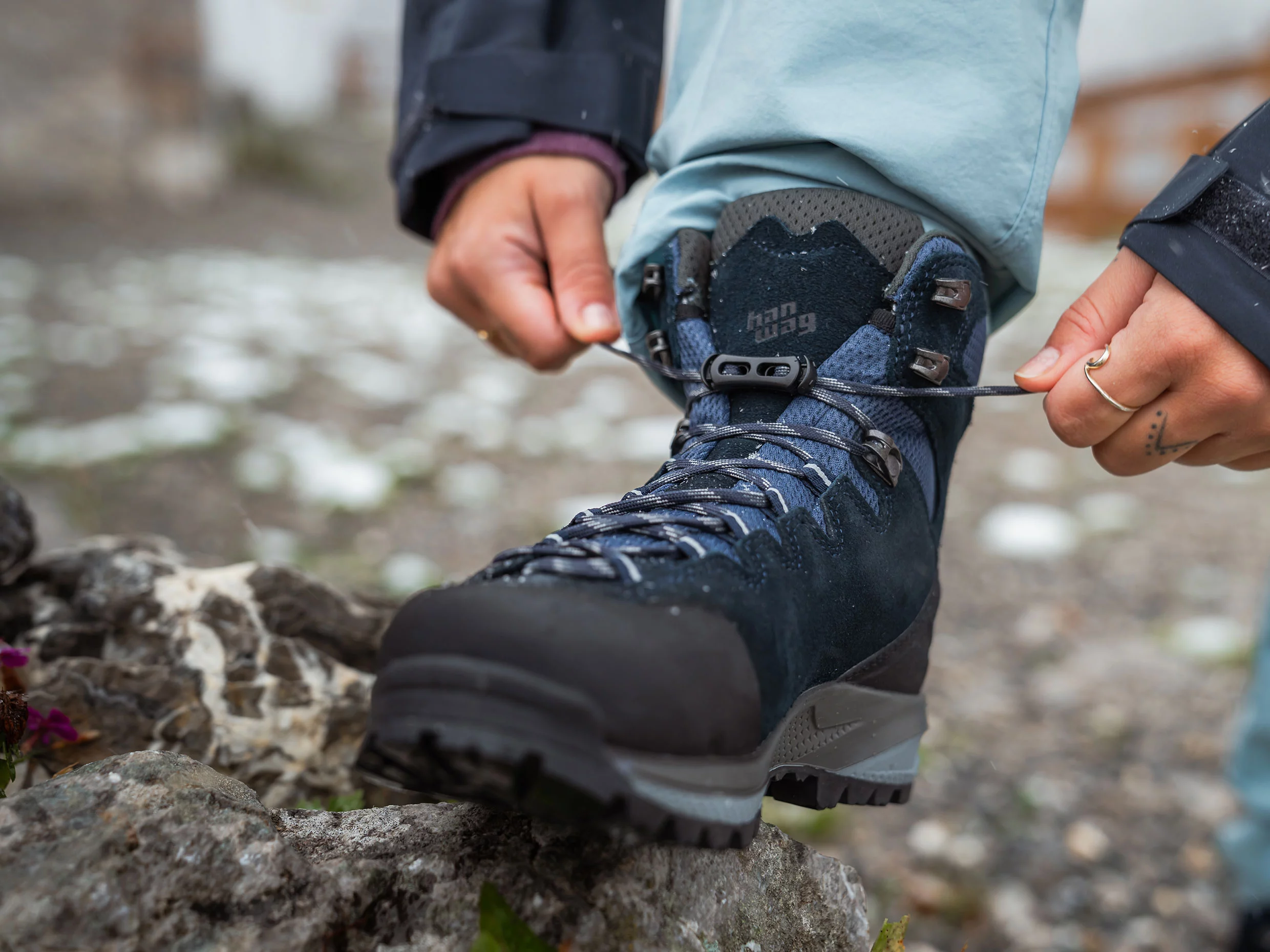

Find the Best Gear
Browse our expert-ranked gear categories.