How to Train for Hiking: Build Fitness and Endurance for Any Trail
Six weeks of targeted preparation can turn a miserable sufferfest into an enjoyable experience on the same trail. Here's the program — no gym required.
Key Takeaways
- Why Hiking Fitness Is Different from General Fitness: Running, cycling, and gym training all build fitness — but they don't specifically build hiking fitness.
- Weeks 1–2: Foundation: Goal: Build base aerobic endurance and activate stabilizing muscles.
- Weeks 3–4: Build: Goal: Increase duration, add elevation, introduce pack weight.
- Weeks 5–6: Peak: Goal: Simulate real trail conditions, build confidence for your target hike.
Here's the training approach most people take for hiking: they don't do any. They pick a trail, show up, and discover somewhere around mile 3 that their legs aren't talking to them anymore and the summit is still 2 miles away.
Hiking fitness sneaks up on you. It feels like walking — which is something you already do. How hard can it be? The answer, depending on the trail, is: significantly harder than your daily walking ever prepared you for.
The good news is that hiking-specific training is simple, doesn't require a gym membership, and pays off quickly. Six weeks of targeted preparation can turn a miserable sufferfest into an enjoyable experience on the same trail. Here's the program.
Why Hiking Fitness Is Different from General Fitness
Running, cycling, and gym training all build fitness — but they don't specifically build hiking fitness. Here's what hiking demands that most other activities don't:
Sustained low-to-moderate effort over hours. A 6-hour day hike requires your cardiovascular system to work at a moderate level without stopping. Most gym workouts involve intense effort for short periods — a different energy system entirely.
Eccentric muscle loading on descents. Hiking downhill loads your quadriceps eccentrically — meaning the muscle contracts while lengthening, like a controlled brake. This is why your quads feel wrecked the day after a mountain hike even if you're otherwise fit.
Stabilizer muscles and balance. Uneven terrain activates dozens of smaller stabilizing muscles in your ankles, hips, and core that conventional training rarely targets. These are the muscles that fatigue first on technical trails.
Load carrying. Even a 15-lb daypack changes your center of gravity, increases muscular demand, and changes your gait compared to walking unloaded.
Weeks 1–2: Foundation
Goal: Build base aerobic endurance and activate stabilizing muscles.
Three days per week:
- 30–45 minute brisk walk on varied terrain if possible — gentle hills, uneven surfaces, or a gentle trail. Aim for a pace where you can hold a conversation but would not want to sing. - Bodyweight squats: 3 sets of 15 reps. Focus on sitting back and driving through your heels — this targets the glutes and quads most directly used on ascents. - Step-ups: Using stairs or a park bench, step up and down for 3 sets of 10 reps per leg. This directly simulates uphill hiking mechanics and builds single-leg stability. - Single-leg balance holds: Stand on one foot for 30 seconds, repeat both sides. Simple but specifically trains the ankle stabilizers most fatigued on rocky terrain.
One day per week: - A slightly longer walk or easy hike: 60–75 minutes at an easy, conversational pace.
Weeks 3–4: Build
Goal: Increase duration, add elevation, introduce pack weight.
Three days per week:
- 45–60 minute brisk hike or vigorous walk with 200–400 feet of elevation gain. This can be a trail, a hill, or even a tall building's staircase. - Bulgarian split squats: 3 sets of 10 per leg. Rear foot elevated on a bench, front foot stepping forward. The single most effective lower body exercise for hiking strength because it mimics the single-leg loading of ascending steep terrain. - Step-ups with pack: Repeat step-ups with 10–15 lbs in a pack. This directly trains load-carrying muscles. - Calf raises: 3 sets of 20. Ascents demand significant calf muscle endurance, especially in trail runners without rigid shanks.
One day per week: - Longer hike or walk: 90 minutes to 2 hours with a light pack. This should feel manageable — not a sufferfest.
Weeks 5–6: Peak
Goal: Simulate real trail conditions, build confidence for your target hike.
Three days per week:
- 60–75 minute hike with 500+ feet of elevation gain if accessible, wearing the pack and footwear you'll use on your target hike. - Lunges and reverse lunges: 3 sets of 12 per leg. Effective for the hip flexors and quads needed on sustained climbs. - Wall sits: 3 sets of 60 seconds. Trains static quad endurance — important for steep descents where your quads work continuously as a brake. - Lateral band walks: With a resistance band above the knees, take 20 steps sideways in each direction for 3 sets. Targets the hip abductors that stabilize your knee on uneven terrain.
One day per week: - Long training hike: 3–4 hours with your full pack and hiking footwear. Nothing simulates hiking except hiking — this is the most valuable single workout in the program.
The Muscle Groups That Matter Most for Hiking
Understanding which muscles do the most work helps you train them directly.
Quadriceps: Your quads do double duty — they power you up hills and control your descent on the way down. Descending specifically subjects your quads to eccentric loading — the same mechanism behind the soreness you feel after a long hike even when you feel fit. Squats, step-ups, and wall sits directly target this.
Glutes and Hamstrings: The glutes are your primary power generators on uphills. Hip-dominant exercises — deadlifts, glute bridges, hip thrusts — develop the posterior chain that drives you upward efficiently.
Calves: Every step on an incline demands significant calf activation, particularly in flexible footwear. Calf raises and single-leg calf raises build the endurance needed for sustained climbing.
Core and Lower Back: Every step on uneven terrain requires your core to stabilize your torso and protect your spine. A loaded pack amplifies this demand significantly. Planks (front and side), bird-dogs, and dead bugs are all effective core exercises with direct hiking carryover.
Training Tips That Actually Matter
A few principles that separate effective hiking training from generic fitness work:
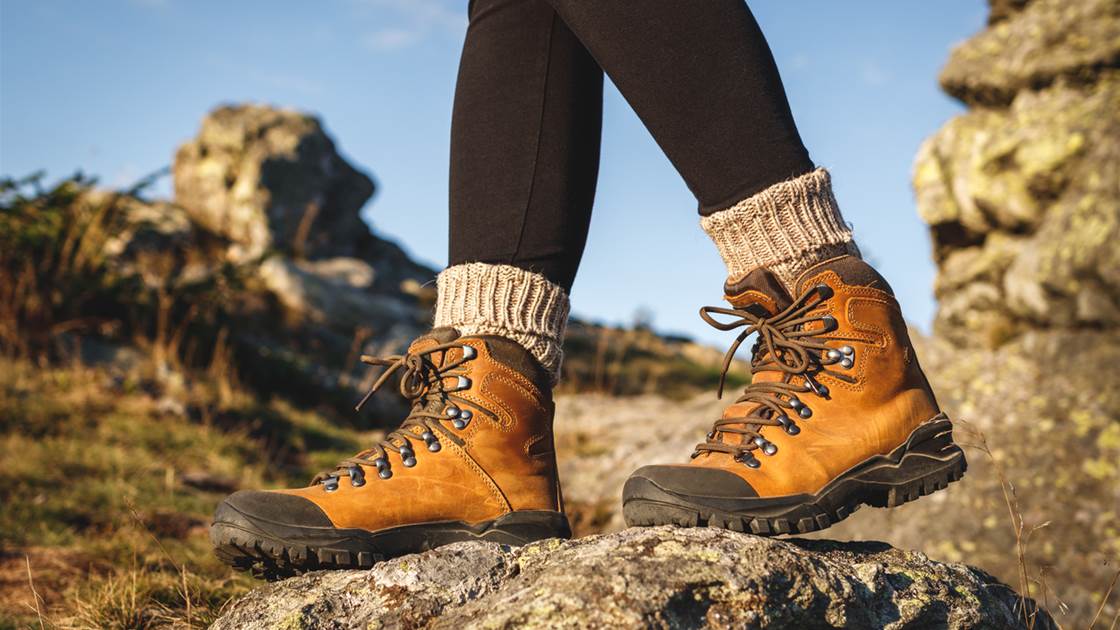
- Train in your hiking footwear — boots and trail runners engage different muscles than gym shoes
- Include downhill — most training ignores it, but descents cause the most post-hike soreness
- Add pack weight gradually — start with 10 lbs in week 3 and work up to your actual hiking load
- Rest days matter — hiking fitness builds during recovery, not just during training
- The best single training activity for hiking is hiking — longer walks beat gym sessions for trail-specific fitness
Choosing the Right Trail to Match Your Fitness
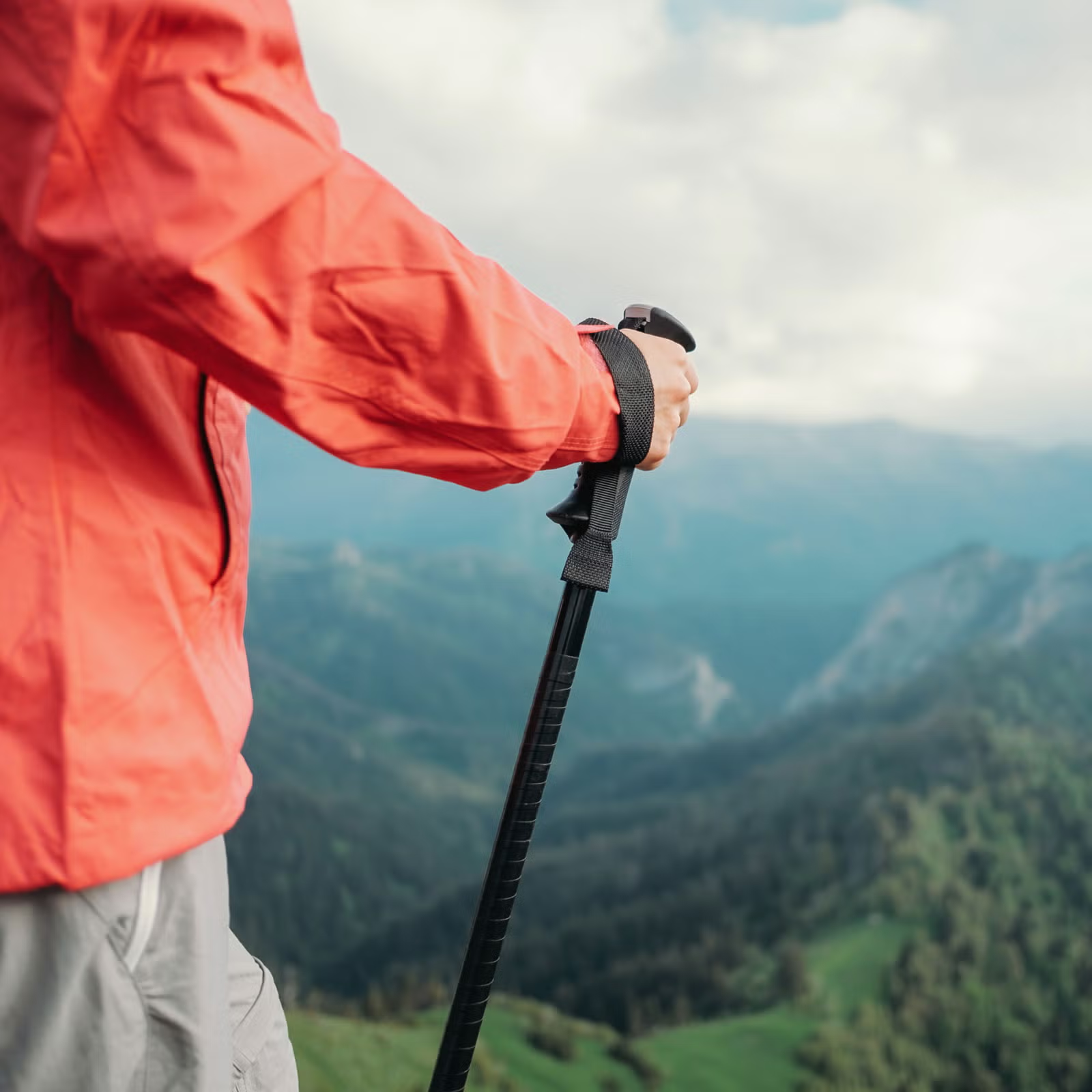
Once you've built your base, matching trail difficulty to your actual fitness level is the most important decision you make. Check the how to choose the right hiking trail guide for a full framework. The right hiking boots and trekking poles also make a meaningful difference on your first significant hikes — poles alone reduce knee strain by up to 25% on descents.
Products We Recommend
Written by
Marcus Osei
Founder & Lead Reviewer · Trailwise Gear
Former wilderness guide with 15 years of expedition experience across Patagonia, the Rockies, and the Himalayas. Has personally tested over 400 pieces of gear in the field.
PCT Section Hiker · Appalachian Trail Thru-Hiker
Meet the full team →

Find the Best Gear
Browse our expert-ranked gear categories.