How to Hike in the Rain: Stay Dry, Stay Safe, and Actually Enjoy It
The difference between a miserable rainy hike and a genuinely enjoyable one is almost entirely preparation. Here's everything you need to know.
Key Takeaways
- Is It Safe to Hike in the Rain?: The honest answer is: it depends on the rain and the terrain.
- The Right Rain Gear for Hiking: A proper rain jacket — not a windbreaker, not a "water-resistant" hoodie — is the most important piece of rain hiking gear.
- Rain Pants and Gaiters: The Underrated Half: Most hikers own a rain jacket but skip rain pants.
- Waterproofing Your Gear: The Often-Missed Step: Rain gear only works if it's maintained.
Rainy day hikes have a reputation they don't fully deserve.
Yes, hiking in the rain requires more preparation. Yes, there are genuine conditions where rain transforms a manageable trail into a dangerous one. But the hikers who reflexively cancel any trip where there's a rain cloud on the forecast are missing some genuinely great trail experiences — emptier trails, dramatic cloud-shrouded views, and a quiet that only comes when fair-weather hikers stay home.
The difference between a miserable rainy hike and a genuinely enjoyable one is almost entirely preparation. Here's everything you need to know.
Is It Safe to Hike in the Rain?
The honest answer is: it depends on the rain and the terrain.
Light to moderate steady rain: Generally safe on established trails with proper gear. Visibility is fine, footing is manageable, and the gear solutions in this article handle the conditions well.
Heavy sustained downpour: Requires more caution. Trail drainage becomes a factor — low-lying trails can flood, creek crossings can become dangerous, and cumulative saturation of gear and clothing becomes a concern on longer hikes.
Thunderstorms: Require immediate respect. If you're above treeline or on an exposed ridge when lightning begins, descend immediately. Don't wait to see if it passes. Lightning is the primary weather-related cause of hiking fatalities in the Rocky Mountains.
Winter rain or rain with dropping temperatures: The most dangerous scenario. Rain at temperatures near or below freezing leads to hypothermia far faster than snow because wet insulation loses effectiveness. This is when your layers matter most.
Check your weather forecast specifically for your trail's elevation — not just the valley floor. Temperature and precipitation conditions at 7,000 feet often bear little resemblance to conditions in town.
The Right Rain Gear for Hiking
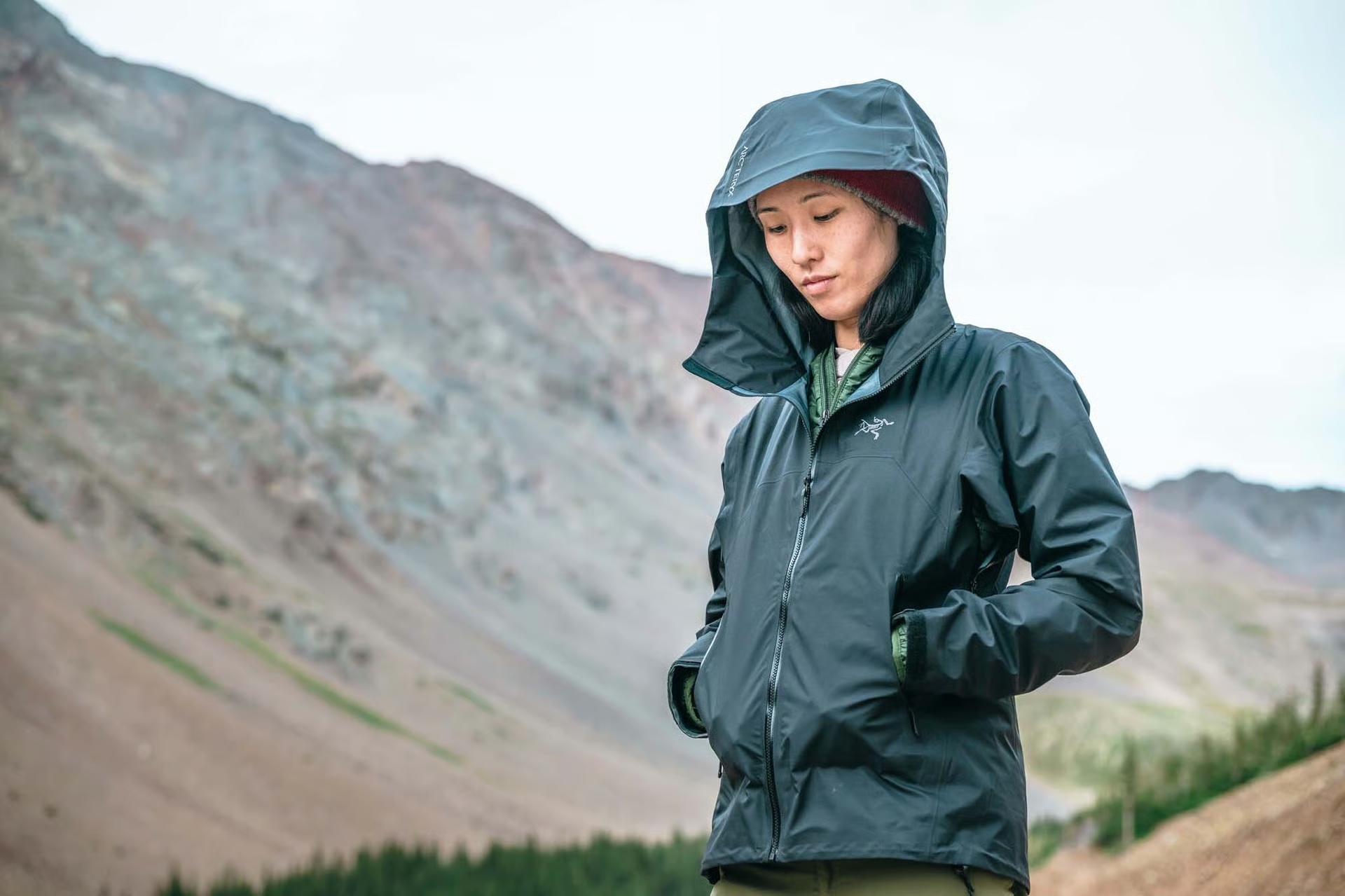
A proper rain jacket — not a windbreaker, not a "water-resistant" hoodie — is the most important piece of rain hiking gear.
Fully taped seams. Every seam in a true rain jacket is covered with waterproof tape on the inside. Critically seamed jackets cover only the critical seams (shoulders, hood); fully taped covers every seam. For sustained hiking rain, fully taped is the minimum standard.
A waterproof-breathable membrane (Gore-Tex, H2No, AscentShell, or similar). The breathability component matters enormously for hiking — you're generating heat and sweat while working to stay warm. A non-breathable rain jacket traps so much internal moisture from sweat that you end up nearly as wet anyway.
A functional hood. It needs to be adjustable (to fit over a hat), have a stiffened brim to shed water off your face, and move with your head when you turn.
The Patagonia Torrentshell 3L and Marmot PreCip Eco are both excellent choices at their respective price points. For comparisons, see Gore-Tex vs NanoPro vs AscentShell.
Rain Pants and Gaiters: The Underrated Half
Most hikers own a rain jacket but skip rain pants. Big mistake on heavy rain days.
Wet legs on a cold day accelerate heat loss dramatically. And unlike your torso — which stays moving and generates heat — your legs have less thermal mass to keep warm during a break. Lightweight rain pants (Marmot PreCip Eco Pant, Arc'teryx Gamma SL) pack small enough to forget they're in your pack until you need them.
Gaiters cover the gap between your boot top and your pant leg — the primary entry point for water, mud, and debris on wet trails. On trails with significant mud or wet vegetation, gaiters keep your socks and boot interior dramatically drier than hiking without them.
Waterproofing Your Gear: The Often-Missed Step
Rain gear only works if it's maintained. The outer fabric of waterproof jackets is treated with a DWR (Durable Water Repellent) finish that causes water to bead and roll off. When DWR fails — which happens from regular use and washing — water no longer beads and the jacket "wets out," meaning the outer fabric saturates and the waterproof membrane can no longer breathe effectively.
Signs your jacket DWR has failed: water no longer beads on the outer fabric and instead darkens the fabric with saturation.
Restoring DWR: Wash your jacket per its care label (usually warm water with a technical wash like Nikwax Tech Wash), then either machine dry on low heat or treat with a DWR spray like Nikwax TX.Direct. Most jackets need this treatment every 15–20 wears to maintain full effectiveness.
How to Keep Your Gear Dry Inside Your Pack
A rain jacket keeps you dry. Your pack needs its own moisture management.
Pack liner: A lightweight trash compactor bag or Sea to Summit pack liner inside your pack keeps all your gear dry regardless of how hard it rains. These add 1–2 oz and cost a few dollars.
Dry bags: For items that absolutely cannot get wet — phone, headlamp, emergency supplies, down sleeping bag — seal them in their own waterproof dry bags as a second layer of protection.
Avoid relying on pack rain covers alone. Pack rain covers are useful but not waterproof — they cover the outside while leaving the straps and harness exposed. In sustained heavy rain, water still works its way through. Use them in addition to a pack liner, not instead of one.
Trail Conditions in Rain: What Changes
Footing and traction: Wet rock is significantly more slippery than dry rock — particularly smooth granite, wet root systems, and algae-covered boulders. Slow your pace on technical terrain in the rain. Ankle rolls and falls are dramatically more common on wet trails.
Stream crossings: Rain transforms stream crossings. A knee-high crossing that was easy in dry conditions can become thigh-deep and fast-moving after significant rainfall. If the water is fast and opaque, consider it dangerous regardless of depth. Always unbuckle your hipbelt before crossing so you can shed your pack quickly if you fall.
Flash flooding in canyon terrain: If you're hiking in slot canyons or desert washes, be aware that flash flooding can occur even when it's not raining at your location. Check weather not just at your trailhead but in the entire upstream watershed before entering canyon terrain.
Staying Warm in Rain: Managing Hypothermia Risk
Cold + wet is the classic hypothermia combination. In rain, your insulating layers can saturate, losing their effectiveness precisely when you need warmth most.
Wool and synthetic insulation retain warming capability even when wet. Down insulation does not — wet down collapses and loses almost all loft and warmth.
The critical scenario: You're working hard climbing, generating heat, and staying comfortable. You stop for a long lunch break. Your wet clothing's insulating ability — masked by your body heat during climbing — is suddenly inadequate at your resting metabolic rate. This is when core temperature drops fast.
At every stop in the rain, add layers before you feel cold. It's far easier to maintain core temperature than to recover it once you've started shivering. The layering system for hikers guide covers exactly which layers to reach for in wet conditions.
Products We Recommend
Written by
Sarah Chen
Gear Analyst & Writer · Trailwise Gear
Sports science graduate with a background in biomechanics. Brings data-driven analysis to gear testing — quantifying comfort, weight distribution, and material performance.
Ultramarathon Runner · Alpine Mountaineer
Meet the full team →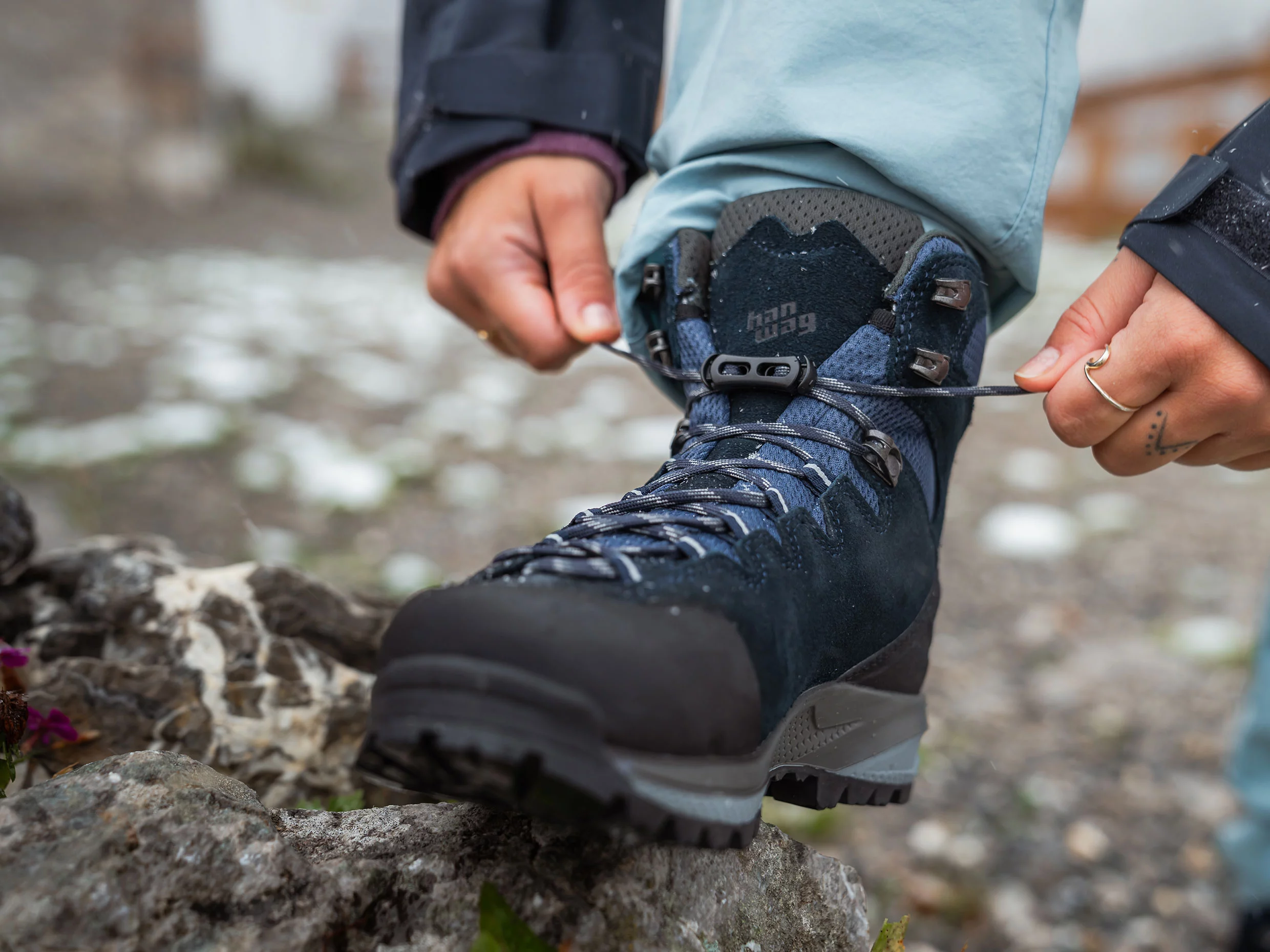
Find the Best Gear
Browse our expert-ranked gear categories.