Gore-Tex vs NanoPro vs AscentShell: Waterproof Membranes Compared
All three keep you dry. The differences matter most at the extremes — sustained storms (Gore-Tex wins) and sustained aerobic output (AscentShell wins). Here's what actually separates them.
Key Takeaways
- What All Three Membranes Do: Every waterproof-breathable membrane solves the same engineering problem: keeping liquid water out while letting water vapor (sweat) escape.
- Gore-Tex: The 50-Year Standard: Gore-Tex has been the benchmark for waterproof-breathable membranes since 1976.
- Patagonia H2No Performance Standard (NanoPro): Patagonia's H2No Performance Standard uses a patented NanoPro technology — a nanoscale barrier created by depositing molecules in a specific pattern to create an air-permeable waterproof structure.
- Outdoor Research AscentShell: The Breathability Leader: AscentShell is Outdoor Research's proprietary membrane, and it approaches waterproofing from a different angle.
You're shopping for a rain jacket and suddenly you're reading about waterproof membranes, hydrostatic head ratings, DWR finishes, and lamination layers. What started as "I need a jacket that keeps me dry" has become a materials science exam.
Let's fix that. Here's what the three major membrane technologies — Gore-Tex, Patagonia's H2No Performance Standard (NanoPro), and Outdoor Research's AscentShell — actually do, how they differ, and which one you should be wearing.
What All Three Membranes Do
Every waterproof-breathable membrane solves the same engineering problem: keeping liquid water out while letting water vapor (sweat) escape. They all use microscopic pore structures too small for liquid water droplets to enter, but large enough for vapor molecules to pass through.
The difference is in how they create those pores, how reliably they maintain waterproofing over time, and how breathable they are at different activity levels. For context on when waterproofing actually matters vs. when it works against you, the waterproof vs non-waterproof hiking boots guide covers the same breathability trade-off in footwear.
Gore-Tex: The 50-Year Standard
Gore-Tex has been the benchmark for waterproof-breathable membranes since 1976. It uses expanded PTFE (ePTFE) — stretched Teflon that creates approximately 1.3 billion pores per square centimeter. Each pore is roughly 20,000 times smaller than a water droplet but 700 times larger than a water vapor molecule.
Gore-Tex products are licensed, not sold as raw material — meaning any jacket that carries the Gore-Tex label has passed independent waterproofing, breathability, and durability testing by W.L. Gore. That quality guarantee is meaningful: when you buy Gore-Tex, you know what you're getting, and the brand has 50 years of performance history to back it up.
Gore-Tex Pro — the premium version used in technical mountaineering gear — is the most breathable and most durable formulation. The newest Gore-Tex ePE (expanded polyethylene) replaces the original material with a fluorine-free alternative that maintains performance while being more environmentally friendly.
Cost is the main weakness. Gore-Tex jackets carry a significant price premium — typically $300–$600+ for quality products.
Patagonia H2No Performance Standard (NanoPro)
Patagonia's H2No Performance Standard uses a patented NanoPro technology — a nanoscale barrier created by depositing molecules in a specific pattern to create an air-permeable waterproof structure. The barrier is created without traditional membranes bonded to face fabric, allowing for a more supple, packable construction.
NanoPro is genuinely more breathable than standard Gore-Tex in high-output conditions because it allows direct air exchange rather than relying purely on vapor pressure differentials. If you're skiing hard, running in the mountains, or hiking fast in the rain, NanoPro jackets feel notably less clammy than comparable Gore-Tex products.
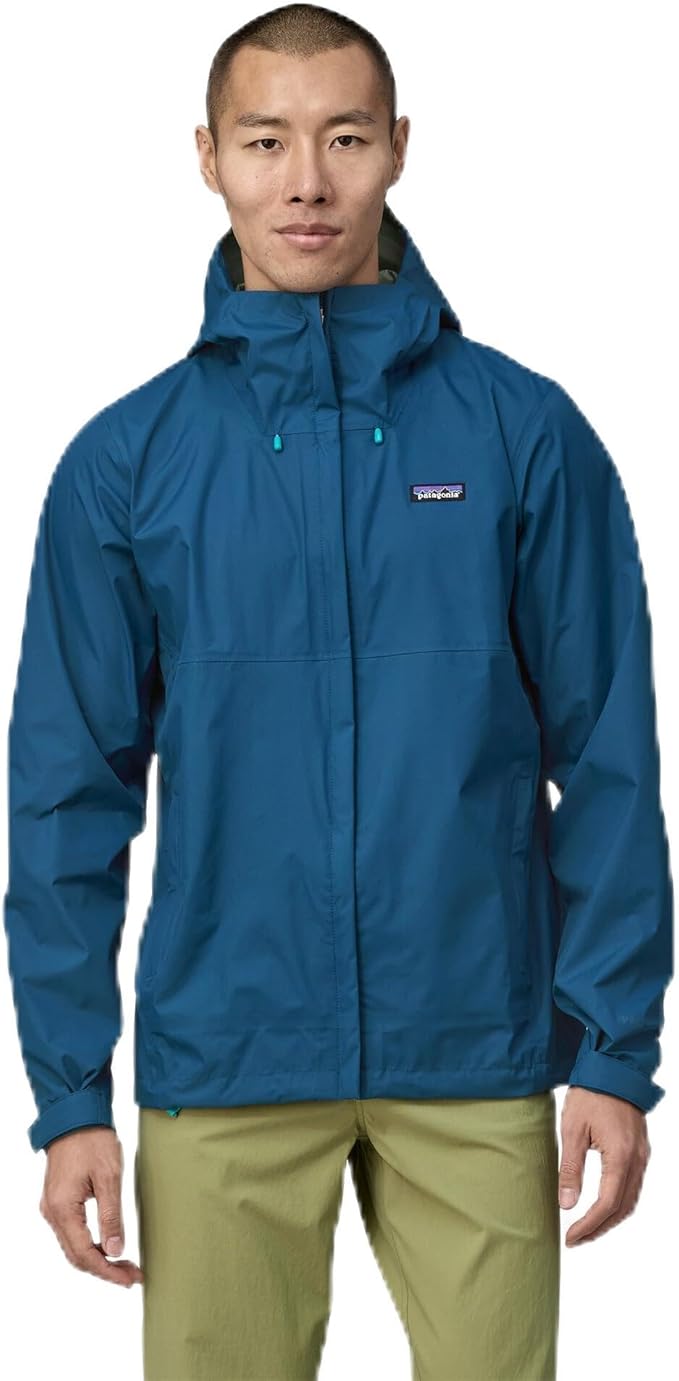
Patagonia also builds their H2No jackets with sustainability as a primary design constraint — the Patagonia Torrentshell 3L uses 100% recycled face fabric with PFAS-free DWR. For hikers who prioritize environmental impact alongside performance, this matters.
In sustained downpours, H2No has typically been measured as slightly less waterproof than Gore-Tex Pro. For most hiking scenarios, this distinction is academic.
Outdoor Research AscentShell: The Breathability Leader
AscentShell is Outdoor Research's proprietary membrane, and it approaches waterproofing from a different angle. It uses electro-nanospinning to create a net-like structure of nano-scale fibers that creates pores large enough for air to flow through directly — making it an "air-permeable" membrane.
While Gore-Tex and most other membranes work through vapor pressure differentials, air-permeable membranes like AscentShell allow direct airflow. In practice, this means AscentShell breathes faster under high-output conditions — aerobic hiking, trail running, ski touring — than standard Gore-Tex.
The stretch inherent in AscentShell's construction also gives OR's jackets a softshell-like feel that's notably more comfortable and less crinkly than traditional hard shells. For hikers deciding between a true hardshell and softshell, the rain jacket vs softshell guide covers that trade-off directly.
The trade-off: AscentShell jackets may not perform as durably as Gore-Tex Pro in serious sustained downpours, and the face fabric requires more frequent DWR maintenance.
The Direct Comparison
| Gore-Tex | H2No NanoPro | AscentShell | |
|---|---|---|---|
| Waterproofing | ★★★★★ | ★★★★ | ★★★★ |
| Breathability | ★★★★ (Pro: ★★★★★) | ★★★★ | ★★★★★ |
| Durability | ★★★★★ | ★★★★ | ★★★★ |
| Packability/Feel | ★★★ | ★★★★ | ★★★★★ |
| Eco credentials | ★★★★ (ePE) | ★★★★★ | ★★★★ |
| Price | $$$$ | $$$ | $$$ |
The Bottom Line
All three keep you dry. The differences matter most at the extremes.
Choose Gore-Tex if you prioritize maximum waterproofing reliability, hike in serious alpine or sustained rain conditions, and want the most proven long-term durability.
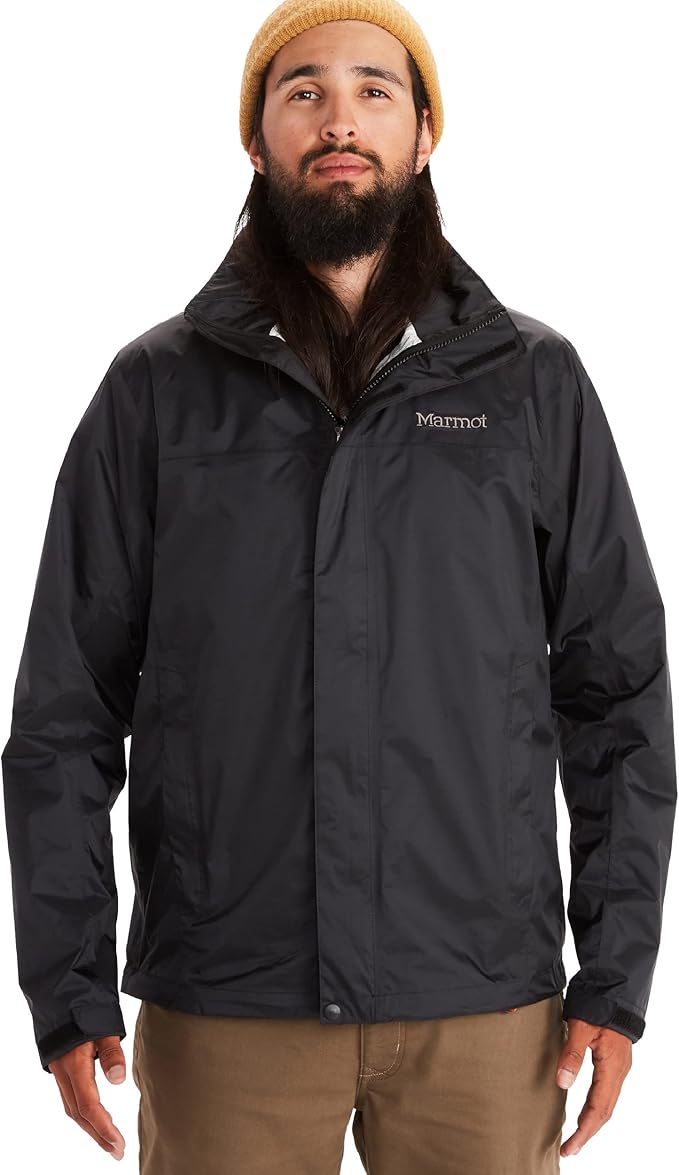
Choose Patagonia H2No (NanoPro) if environmental impact is a factor, you want excellent performance at a reasonable price, or do high-output hiking in rain. The Patagonia Torrentshell vs Marmot PreCip comparison shows H2No performance vs a budget membrane head-to-head.
Choose AscentShell if you're an aerobic hiker or trail runner who wants the best breathability in high-output conditions. Browse rain gear for all options.
Products We Recommend
Written by
Sarah Chen
Gear Analyst & Writer · Trailwise Gear
Sports science graduate with a background in biomechanics. Brings data-driven analysis to gear testing — quantifying comfort, weight distribution, and material performance.
Ultramarathon Runner · Alpine Mountaineer
Meet the full team →

Find the Best Gear
Browse our expert-ranked gear categories.