Waterproof vs Non-Waterproof Hiking Boots: When Does It Actually Matter?
Waterproof boots can actually cause wet feet in the wrong conditions. Here's the counterintuitive truth about when to choose each — and why it matters more than you'd think.
Key Takeaways
- How Waterproof Boots Actually Work: Waterproof hiking boots use a breathable membrane — GORE-TEX, KEEN.
- The Case Against Waterproof Boots: Non-waterproof boots use mesh or open-weave fabrics with large pores.
- When Waterproof Boots Win: Cold weather (below 5°C / 40°F): Wet feet in cold conditions lose heat rapidly, accelerating hypothermia risk.
- When Non-Waterproof Wins: Choose non-waterproof when temperatures are above 15°C / 60°F and you're working hard, your hike involves multiple stream crossings where flooding the collar is likely regardless, you're on a multi-day trip where wet feet overnight could lead to prolonged foot issues, you're in desert environments, or you're a trail runner where moisture management through breathability matters more.
You're standing in front of two identical boots. One has a little GORE-TEX logo. The other doesn't. The waterproof version costs $30 more.
You think: obviously I want waterproof, right? Wet feet are miserable.
Here's what nobody tells you: waterproof boots can actually cause wet feet in the wrong conditions. And in a lot of hiking scenarios — more than you'd think — the non-waterproof version is the smarter choice.
Let's clear this up.
How Waterproof Boots Actually Work
Waterproof hiking boots use a breathable membrane — GORE-TEX, KEEN.DRY, Merrell's M Select DRY, or similar — laminated to the inside of the boot's upper. This membrane has microscopic pores too small for liquid water droplets to pass through, but large enough to allow water vapor (your sweat) to escape.
In theory: keeps rain out, lets sweat out. Perfect.
In practice: the breathability of any waterproof membrane is limited. When you're hiking hard uphill on a warm day, you generate more sweat vapor than even the best membrane can exhaust. The result is that your foot environment becomes warm and damp from the inside — regardless of what the weather is doing outside.
The Case Against Waterproof Boots
Non-waterproof boots use mesh or open-weave fabrics with large pores. Air flows freely in and out, sweating feet dry faster, and your foot temperature stays lower. In warm weather or on high-output hikes, that ventilation difference is night and day.
Here's the brutal truth about waterproof boots: the membrane that keeps water out also traps water in. If water enters through the collar — which happens anytime you step deeper than boot-top height — it pools inside and can't escape. The waterproof membrane actively prevents drainage.
A non-waterproof mesh boot in the same scenario drains freely, dries in 30–60 minutes of walking, and feels tolerable within an hour. A waterproofed boot that's been flooded can stay wet for an entire day.
When Waterproof Boots Win
Cold weather (below 5°C / 40°F): Wet feet in cold conditions lose heat rapidly, accelerating hypothermia risk. In cold temperatures, the breathability trade-off matters much less and the protection from cold water matters much more.
Prolonged damp conditions: Pacific Northwest drizzle, Scottish Highlands in October, Ontario in early spring. Environments where the trail surface stays damp for hours and cool air keeps temperatures moderate — the waterproof boot shines here.
Dew-soaked vegetation: Early morning hikes where you're brushing through knee-high wet grass. Non-waterproof mesh uppers saturate within minutes. A waterproof boot handles this easily.
Shallow stream crossings: If your hike involves streams that stay below boot-collar height, waterproof boots let you just walk through.
When Non-Waterproof Wins
Choose non-waterproof when temperatures are above 15°C / 60°F and you're working hard, your hike involves multiple stream crossings where flooding the collar is likely regardless, you're on a multi-day trip where wet feet overnight could lead to prolonged foot issues, you're in desert environments, or you're a trail runner where moisture management through breathability matters more.
Many veteran thru-hikers prefer non-waterproof trail runners even in rainy weather — their feet dry faster and they avoid the heat buildup problem entirely.
Does GORE-TEX Make a Real Difference?
Yes — and it's worth knowing why. GORE-TEX has been developing waterproof-breathable technology since 1969 and licenses with strict performance requirements. Any boot carrying the GORE-TEX logo has passed independent testing.
Proprietary membranes (KEEN.DRY, M Select DRY) are often competent for day hiking. For extended multi-day trips in consistently wet conditions or cold shoulder-season hiking, GORE-TEX is worth the premium.
The practical rule: Warm + wet = go non-waterproof. You'll dry faster and stay cooler. Cold + wet = go waterproof. You'll stay warmer and safer.
The Bottom Line
Waterproof hiking boots are not the automatic right choice for all hiking. They're the right choice for cold, damp, moderate-output hiking where keeping water out matters more than exhausting sweat.
Non-waterproof boots are the right choice for warm weather, high-output hiking, multi-day trips where drying time matters, and routes with significant water crossings.
Match your footwear to your actual climate and conditions — not to a generic "waterproof is always better" assumption — and your feet will thank you on every single mile. Browse our full lineup of hiking boots to find the right option for your conditions.
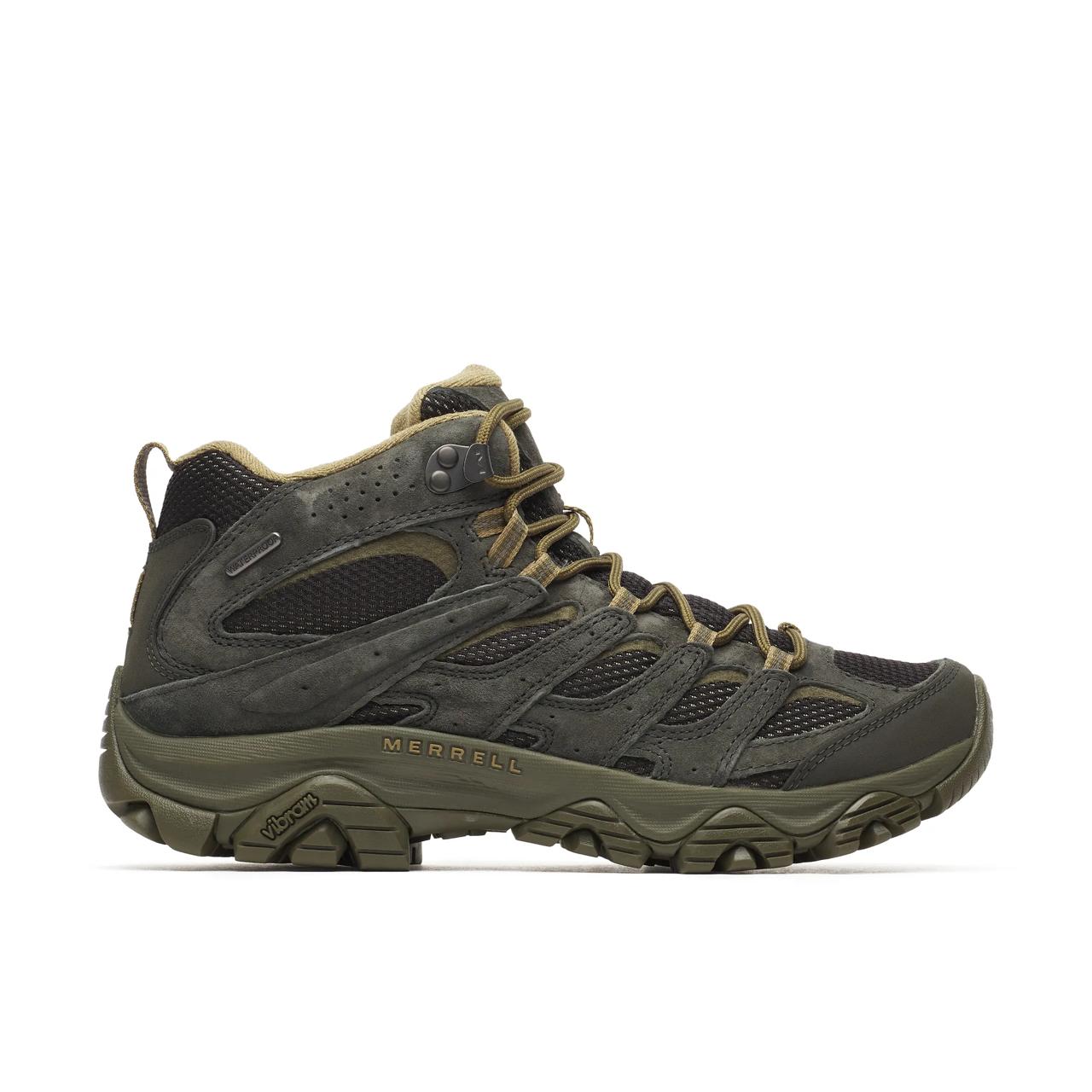
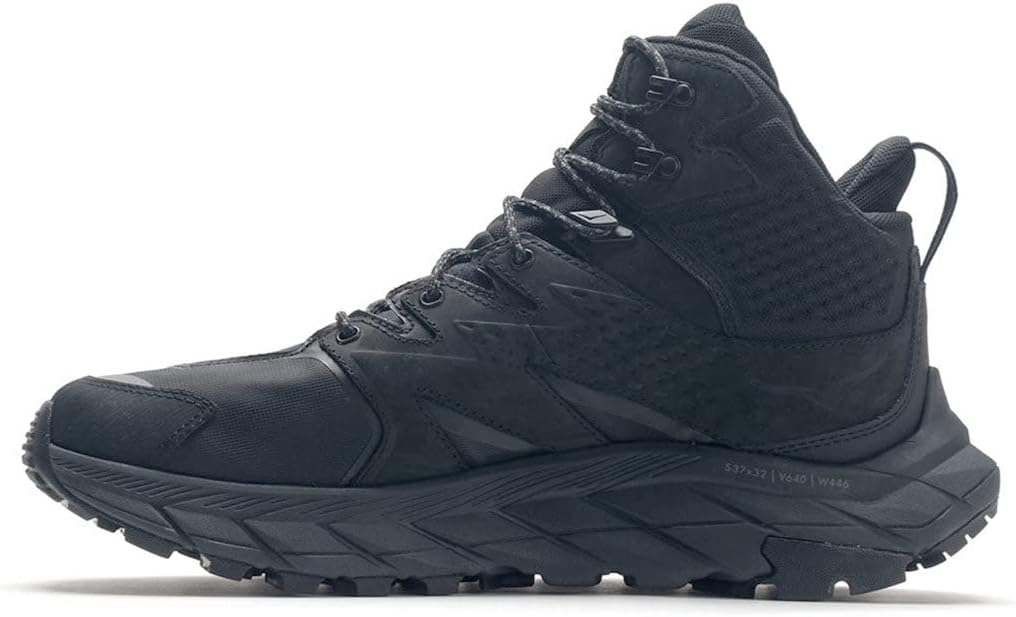
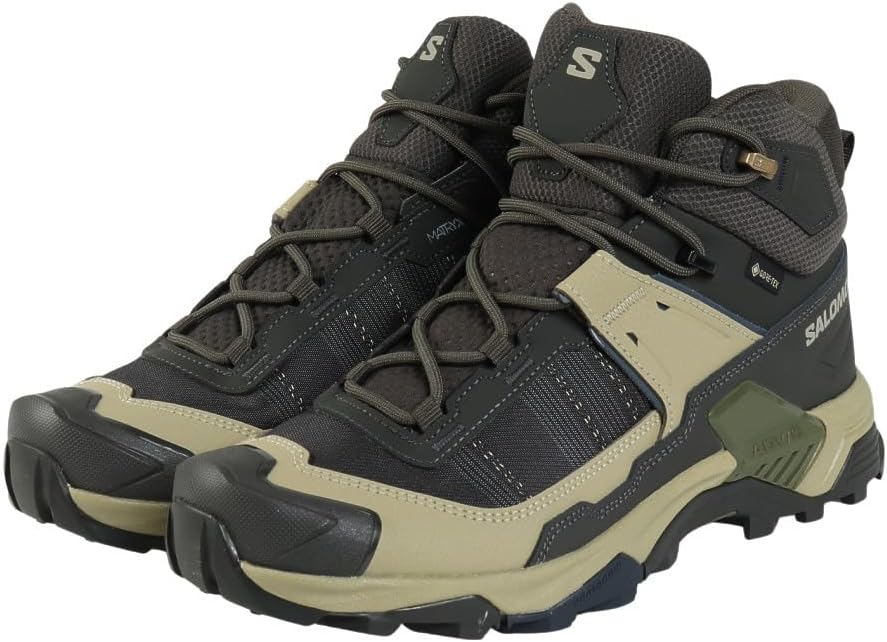
Products We Recommend
Written by
James Whitfield
Camping & Shelter Specialist · Trailwise Gear
Cold-weather camping expert who has tested tents in conditions ranging from -30°C to desert monsoons. The team's go-to for gear under genuine stress.
Winter Camping Instructor · 4-Season Mountaineer
Meet the full team →
Find the Best Gear
Browse our expert-ranked gear categories.