How to Choose Hiking Boots: A Beginner's Complete Guide
The wrong boots can ruin a great trail. Here's exactly what to look for — from boot type to waterproofing to fit — so you get it right the first time.
Key Takeaways
- What Kind of Hiker Are You? (Start Here): Before you look at a single boot, answer this question honestly: what does your typical hike actually look like?.
- Boot Types Explained: Once you know your hiking style, you can match it to the right boot category.
- The Features That Actually Matter: There's a lot of marketing language on boot boxes.
- How to Get the Right Fit: Fit is the single most important factor when choosing hiking boots.
The wrong boots can turn a great trail into a miserable, blister-ridden slog. And yet most new hikers pick their first pair based on looks, price, or whatever the person at the register recommends.
Here's the thing: there's no single "best" hiking boot. The right pair depends entirely on where you're hiking, how long you're out, and how much weight you're carrying. Get that match right, and your boots disappear into the background — you stop thinking about your feet and start thinking about the view.
This guide cuts through the noise. Whether you're planning your first day hike or gearing up for a multi-day backpacking trip, you'll know exactly what to look for — and why — by the time you reach the end.
What Kind of Hiker Are You? (Start Here)
Before you look at a single boot, answer this question honestly: what does your typical hike actually look like?
The outdoor industry tends to over-engineer everything. Most beginners don't need a $300 mountaineering boot. But they also don't want a $60 fashion sneaker that falls apart after two muddy miles. The sweet spot is somewhere in between — and it starts with knowing your terrain.
Day Hikers and Casual Trails: If you're sticking to established trails, covering under 10 miles, and carrying a light daypack, you have the most flexibility. Well-maintained paths with moderate elevation don't demand heavy-duty support. A lighter, more flexible boot or even a sturdy hiking shoe can handle this just fine. Before you lace up, make sure you've also thought through the rest of your day hike essentials — boots are just one piece of the puzzle.
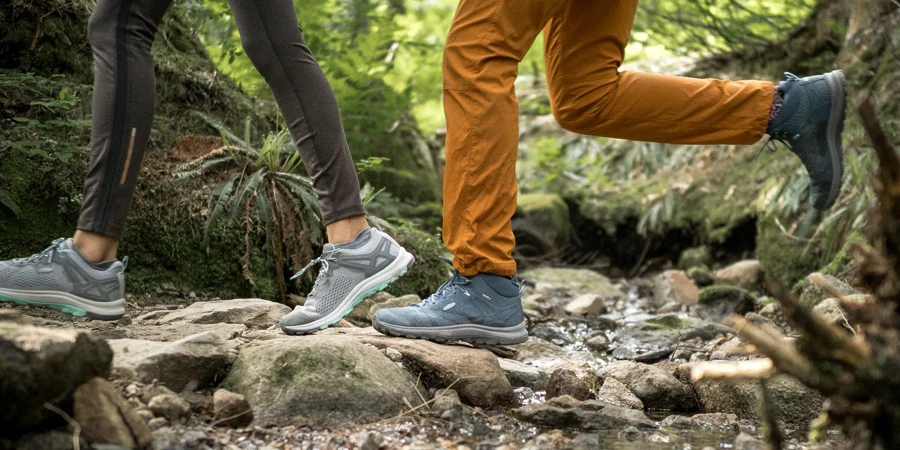
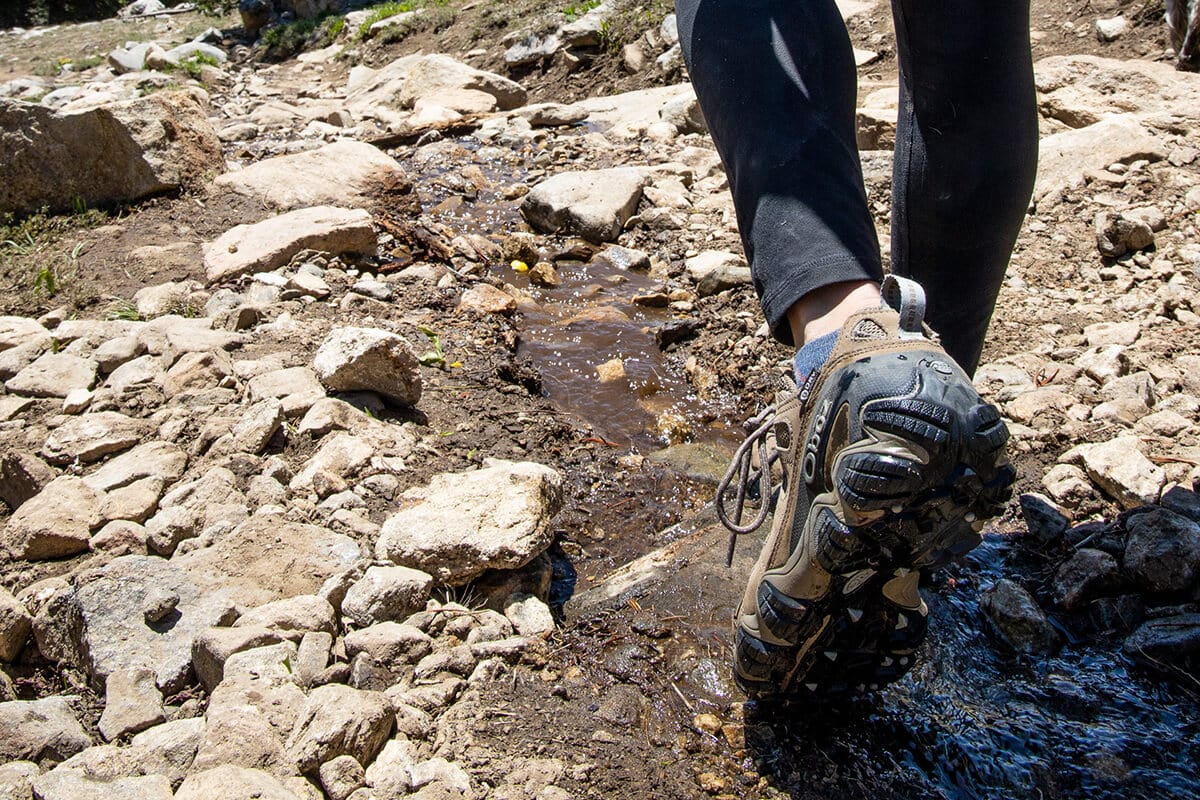
Backpackers and Multi-Day Routes: The calculus changes the moment you strap on a 35-pound pack. More weight on your back means more stress on your feet and ankles. You'll want a stiffer sole, more ankle support, and a more durable upper that can handle consecutive days of abuse across variable terrain. Rugged terrain — loose rock, steep descents, creek crossings — demands footwear that can take a beating and still protect your feet at mile 40.
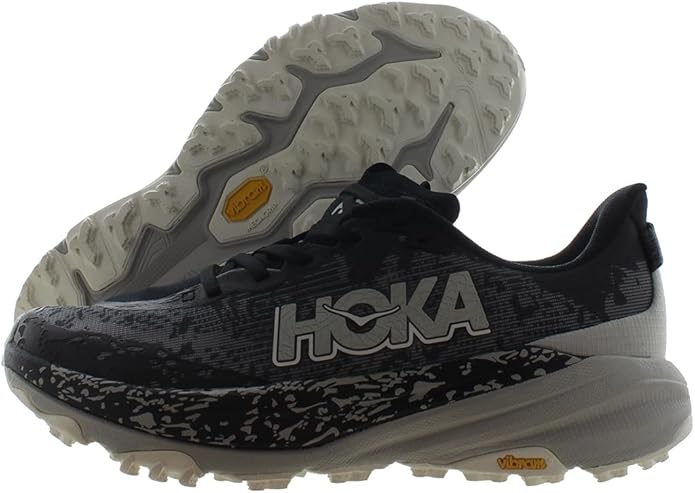
FAQ — Do I Need Hiking Boots, or Will Trail Runners Work? It depends on your terrain and load. Trail runners are a legitimate choice for experienced hikers on dry, well-maintained trails with light packs. They're lighter, more breathable, and require almost no break-in time. But for beginners, or anyone hiking on rough, uneven, or wet terrain, trail runners trade too much ankle support and protection for speed. Until your ankles and feet have adapted to miles on the trail, a mid-cut boot gives you a meaningful safety margin. Think of trail runners as something you graduate into — not where you start.
Boot Types Explained
Once you know your hiking style, you can match it to the right boot category.
Low-Cut Hiking Shoes: These look like sturdy athletic shoes. They're lightweight, flexible, and great for flat or gently rolling terrain on dry days. They breathe well and dry quickly, which makes them popular for warm-weather hiking. The trade-off: minimal ankle support. If you roll your ankle on a rocky descent, there's not much there to catch you. Low-cut shoes are best for confident hikers on easy to moderate trails.
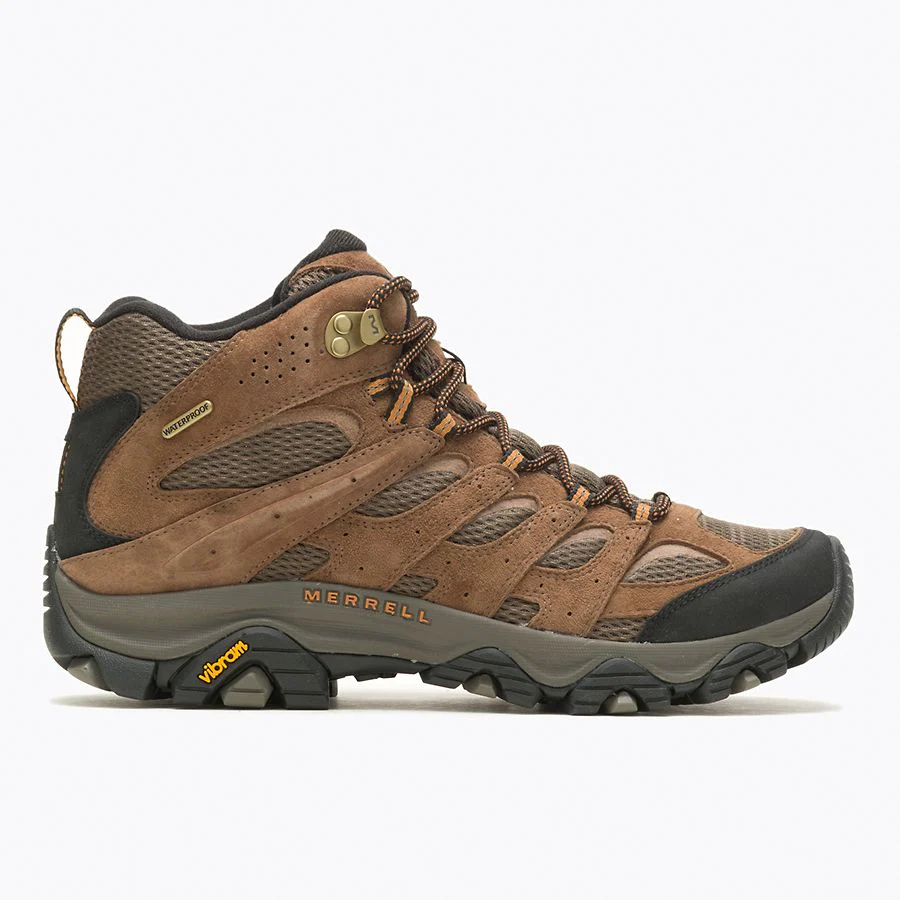
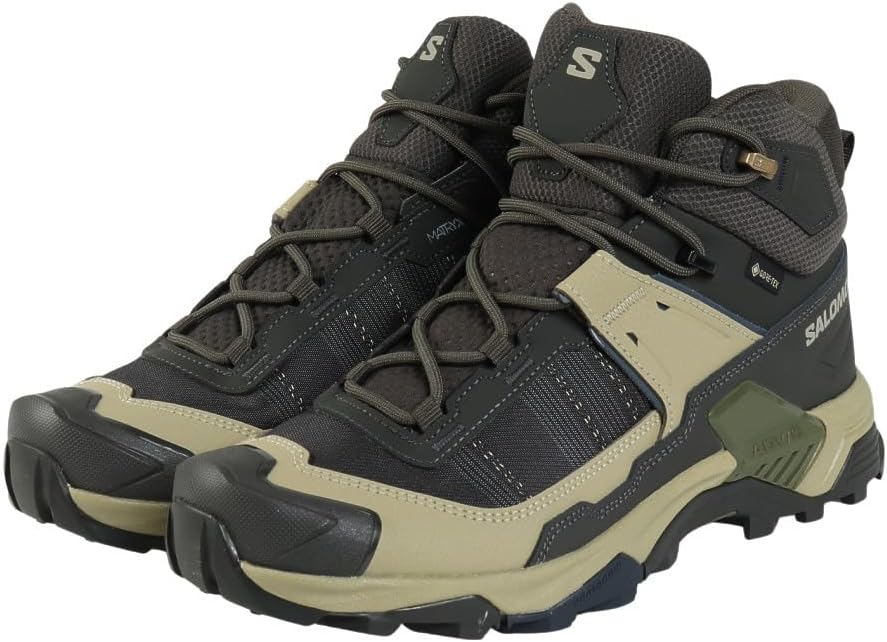
Mid-Cut Boots (The Beginner Sweet Spot): Mid-cut boots — those that extend a few inches above the ankle — are the most versatile option on the market, and the best starting point for most beginners. They offer meaningful ankle support without the stiffness and weight of a full backpacking boot. They work well across a wide range of conditions: day hikes, light backpacking, moderate terrain, and shoulder-season weather. If you're not sure where to start, start here.
High-Cut Backpacking Boots: These are built for the long haul. Tall collars, stiff midsoles, and durable leather or reinforced synthetic uppers make them the right tool for heavy loads, rugged terrain, and multi-day trips. They require more break-in time — sometimes 20+ miles before they feel comfortable — and they're heavier than the other categories. Don't buy a high-cut boot for a 5-mile day hike. You'll be over-booted and uncomfortable. But if you're heading into the backcountry with a loaded pack, you'll be glad you have them.
The Features That Actually Matter
There's a lot of marketing language on boot boxes. Here's what actually makes a difference on the trail.
Ankle Support and Sole Stiffness: Ankle support comes from the collar height and how rigid the upper is. Mid- and high-cut boots with stiffer, structured collars reduce the risk of ankle rolls on uneven ground — which matters more when you're tired at mile 8 than when you feel fresh at mile 1. Sole stiffness is about protection underfoot. A stiffer midsole shields your feet from rocks and reduces fatigue when you're carrying weight. A more flexible sole feels more natural and responsive for lighter hiking. As a general rule: the rougher the terrain and heavier the load, the stiffer the sole you want.
FAQ — Do I Need Waterproof Hiking Boots? Not always — and for some conditions, non-waterproof is actually the better choice. Waterproof boots (most commonly lined with Gore-Tex) use a membrane that blocks liquid water from the outside while allowing water vapor (sweat) to escape. They're excellent in cold, wet conditions: spring snowmelt, rainy Pacific Northwest trails, dewy morning grass, and muddy shoulder-season terrain. But waterproofing reduces breathability, meaning warmer, sweatier feet in hot weather. And if water gets in from the top — say, from a stream crossing — it can't drain out. If you regularly hike in cold, wet, or snowy conditions, go waterproof. If you're hiking in warm, dry climates or doing a lot of creek crossings, a non-waterproof boot that dries quickly may actually keep your feet more comfortable. Many experienced hikers own one of each.
Upper Materials — Leather vs. Synthetic: Leather uppers (typically full-grain or nubuck) are more durable, naturally water-resistant, and mold to your foot over time — giving you a customized fit after enough miles. The downside: heavier, more expensive, and longer break-in. Synthetic uppers (polyester, nylon, mesh combinations) are lighter, break in faster, and usually more affordable. They don't mold to your foot the same way, and they tend to wear out sooner under heavy use. For most beginners doing moderate hiking, synthetic is perfectly adequate.
How to Get the Right Fit
Fit is the single most important factor when choosing hiking boots. A boot with perfect specs that fits poorly will ruin your hike. A simpler boot that fits perfectly will carry you for years.
The Thumb-Width Rule and Heel Lock Test: When sizing, you want roughly a thumb's width of space between your longest toe and the end of the boot. This prevents your toes from jamming into the front on descents — one of the most common causes of black toenails and blisters. To check heel fit, lace up the boot snugly and walk down an incline (or simulate one in the store). Your heel should stay locked in place with minimal movement — no more than a quarter inch of lift. Heel slippage is the leading cause of blisters on long hikes.
When to Size Up (and Why Feet Swell): Your feet swell during activity — sometimes by as much as 8% over a long day. That's why the industry standard advice is to shop for boots in the afternoon or evening, when your feet are at their largest. It's also why you should always wear the socks you plan to hike in when trying on boots. For multi-day backpacking trips, sizing up a half size is often smart. For day hikes, your normal size is usually fine as long as you have adequate toe room.
FAQ — How Should Hiking Boots Fit? Snug but not tight — and the fit should feel right from the first wear. A well-fitted hiking boot holds your heel firmly in place, leaves a thumb's width of space at the toe, and feels comfortably snug across the midfoot and instep without pinching. You should be able to wiggle your toes freely. If anything feels uncomfortable in the store — a pressure point, a seam that digs in, a weird arch — that feeling will be amplified by mile 5. Don't buy boots hoping they'll break in past a legitimate fit issue. Break-in softens materials; it doesn't fix the wrong shape.
What to Expect on Your First Wear
Even a well-fitted boot needs some time to adjust to your foot. The good news: modern boots break in much faster than the classic leather boots of decades past.
Break-In Time by Boot Type: Low-cut hiking shoes often feel comfortable almost immediately. Mid-cut boots typically need 5–10 miles before they fully mold to your foot. High-cut backpacking boots — especially leather models — can take 20–30 miles and a few deliberate break-in sessions before they're trail-ready. Breaking in boots properly makes a real difference. For a step-by-step approach, check out the full guide on how to break in hiking boots the right way — it covers the exact method to avoid destroying your feet before a big trip.
Don't Forget Your Socks: Hiking socks are not an afterthought. A good merino wool or synthetic hiking sock wicks moisture, provides cushioning, and helps prevent blisters by reducing friction. Wear them every time you try on boots, and wear them on the trail. Hiking in cotton socks is asking for trouble. And once you've got the right boots on your feet, think about what else you're wearing — the three-layer clothing system is the next thing worth understanding before you head out.
The Bottom Line
Choosing hiking boots doesn't have to be complicated. Match your boot to your terrain and load, prioritize fit over features, and don't overthink the rest.
For most beginners: a mid-cut boot with a waterproof membrane, good ankle support, and a proper fit will handle everything from day hikes to light backpacking. Start there, get some miles on them, and let your experience guide your next pair.
The best hiking boots are the ones you don't notice after the first mile. That's what you're shopping for. Ready to find your pair? Explore Trailwise Gear's hiking boots buying guide for trail-tested recommendations at every price point.
Products We Recommend
Written by
Sarah Chen
Gear Analyst & Writer · Trailwise Gear
Sports science graduate with a background in biomechanics. Brings data-driven analysis to gear testing — quantifying comfort, weight distribution, and material performance.
Ultramarathon Runner · Alpine Mountaineer
Meet the full team →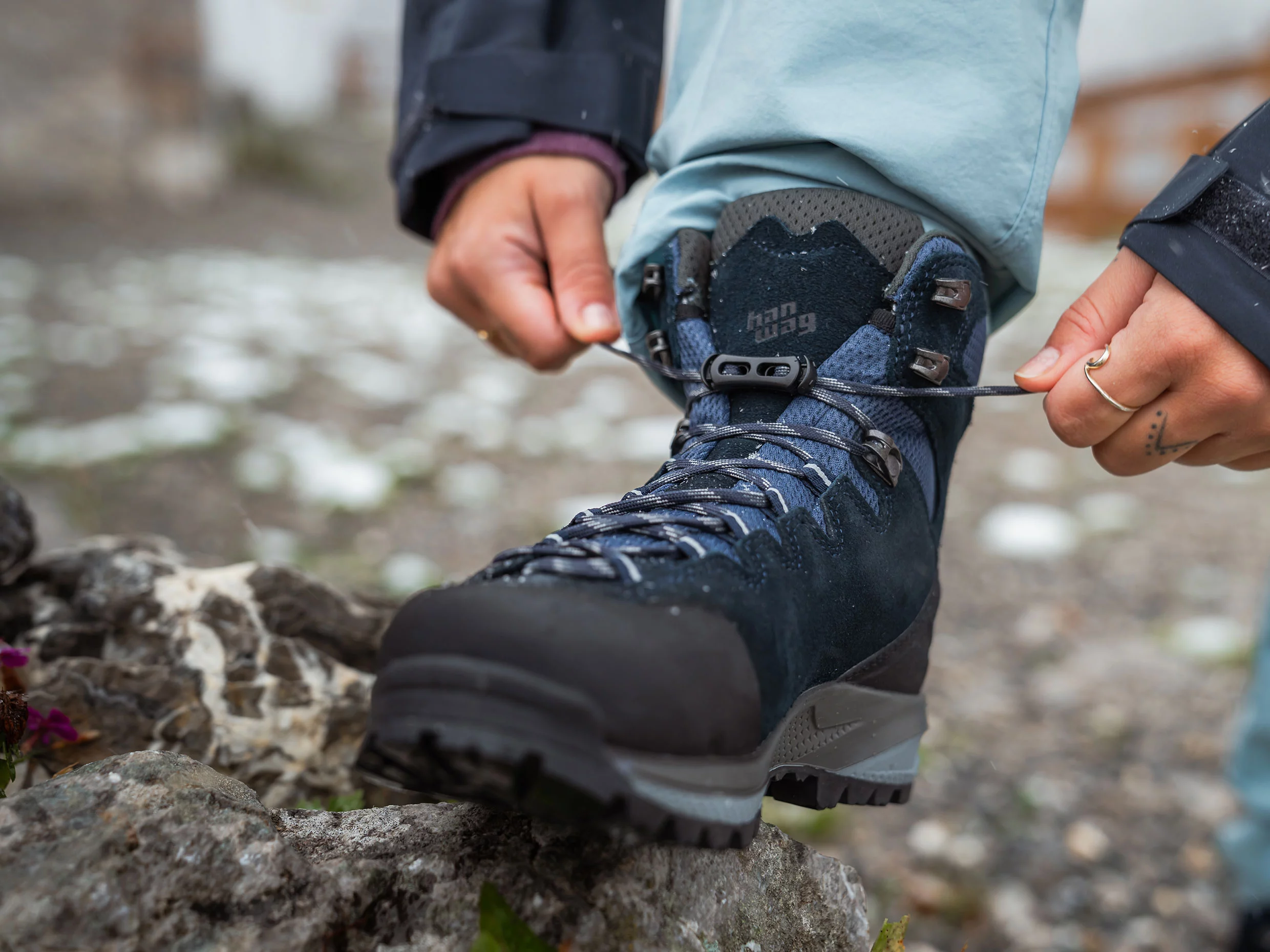
Find the Best Gear
Browse our expert-ranked gear categories.