The Ultimate Day Hike Packing List: Pack Smart, Not Heavy
Everything you need for a safe, comfortable day hike — and nothing you don't. Built around the Ten Essentials with real-world gear advice.
Key Takeaways
- Start With the Ten Essentials: Before anything else, your pack should be built around the Ten Essentials — a safety-focused system first developed in the 1930s by The Mountaineers.
- Water and Food — Get This Right First: Nothing derails a hike faster than running out of water or bonking from low blood sugar two hours from the trailhead.
- Clothing: What to Wear and What to Pack: Avoid cotton — it absorbs moisture, stays wet, and loses its insulating value when damp.
- Your Daypack — Size, Fit, and What to Leave Out: For most day hikes, a 15–30 liter pack is the right range.
Most beginner hikers make one of two mistakes. They overpack — stuffing a 40-liter bag for a 4-mile trail until their shoulders ache by mile two. Or they underpack — grabbing a water bottle and their phone, then getting caught in an afternoon storm with no rain gear and a dying battery.
The sweet spot is a lean, purposeful pack. Everything you need to stay safe, comfortable, and prepared for the unexpected — without weighing you down or slowing you down.
This list covers exactly that. It's built around the time-tested framework that experienced hikers have trusted for decades, updated for modern gear and real-world day hiking.
Start With the Ten Essentials
Before anything else, your pack should be built around the Ten Essentials — a safety-focused system first developed in the 1930s by The Mountaineers. The idea is simple: these are the items that answer two questions. Can you prevent an emergency? And if one happens anyway, can you respond to it and survive an unplanned night outside?
Navigation: at minimum, a downloaded offline map on your phone — apps like AllTrails or Gaia GPS work without cell service. For anything beyond a well-marked local trail, add a paper topo map and a basic compass. Not sure how to read one? Check out the guide on how to read a trail map before your next hike.
Sun protection and illumination: sunscreen and sunglasses are non-negotiable, even on overcast days. A headlamp (not just your phone torch) is essential even for day hikes that start early or run long.
Fire, emergency shelter, and a knife: a lighter weighs almost nothing. A compact emergency space blanket folds to the size of a deck of cards. A folding knife handles everything from gear repair to first aid. Carry all three.
- Navigation — offline map app + paper topo map + compass
- Sun protection — sunscreen SPF 30+, sunglasses, sun hat
- Insulation — extra layers for weather changes
- Illumination — headlamp with fresh batteries
- First-aid supplies — blister pads, bandages, pain reliever
- Fire — lighter and waterproof matches
- Repair tools — knife or multitool, duct tape
- Nutrition — extra food beyond what you plan to eat
- Hydration — water + filtration backup
- Emergency shelter — space blanket or emergency bivy
Water and Food — Get This Right First
Nothing derails a hike faster than running out of water or bonking from low blood sugar two hours from the trailhead.
How much water: the standard guideline is about half a liter per hour of hiking, though this varies with temperature, elevation, and exertion. Start with at least 2 liters for a half-day hike, more for anything longer or in warm weather. Don't wait until you're thirsty to drink — thirst is a late signal of dehydration.
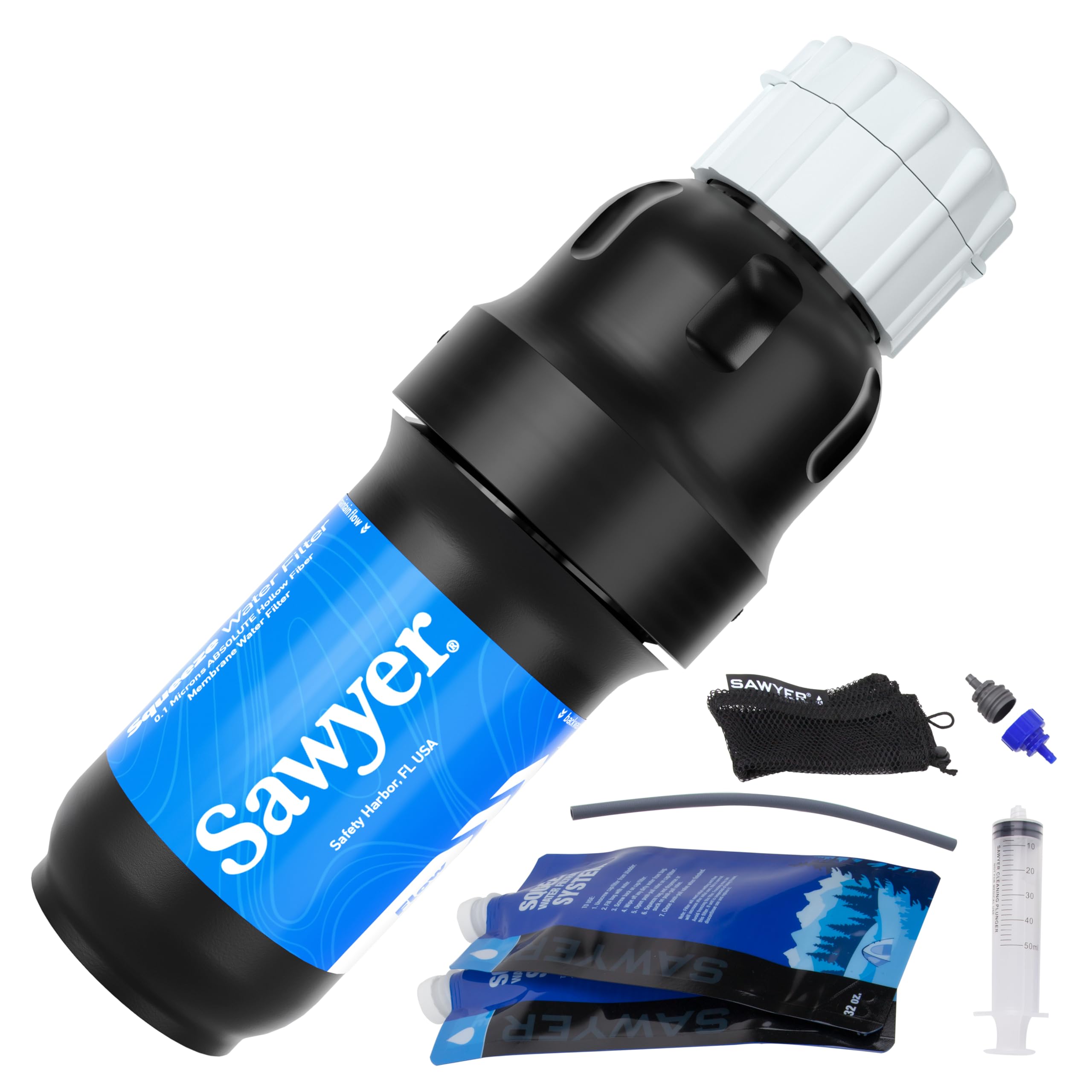
When to bring a filter: for most day hikes on established trails, carrying sufficient water is simpler. If your trail has reliable water sources, a compact filter like the Sawyer Squeeze or a LifeStraw is a smart backup — it adds almost no weight and gives you a buffer if the hike runs long.
Best trail snacks: trail mix, nuts, jerky, energy bars, and nut butter packets. Mix in protein and fat alongside carbs to keep your energy steady — don't rely on sugary snacks alone. For longer hikes that cross a mealtime, add something more substantial like a wrap or bagel with peanut butter.
Clothing: What to Wear and What to Pack
Avoid cotton — it absorbs moisture, stays wet, and loses its insulating value when damp. Wear moisture-wicking synthetic or merino wool fabrics that dry quickly and keep you comfortable across a range of conditions.
The one layer you should always bring — even on sunny days: a packable rain jacket. Weather in the mountains and on exposed trails changes fast. An afternoon thunderstorm can appear from nowhere, and getting soaked miles from the trailhead is genuinely dangerous. A good rain jacket weighs under a pound and packs into its own pocket.
Your clothing works as a system — base layer, insulation, and shell working together to keep you comfortable across changing conditions. The guide on the three-layer system for hikers breaks it down in full.
Your Daypack — Size, Fit, and What to Leave Out
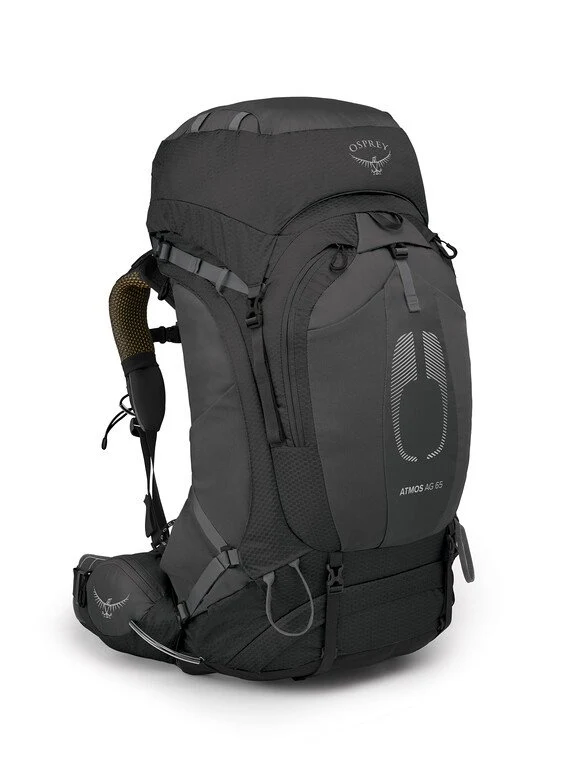
For most day hikes, a 15–30 liter pack is the right range. A 15–20L pack is perfect for short hikes with light loads. A 25–30L gives you room for layers, food, water, and safety gear on longer outings.
Choosing a pack that fits your torso length matters more than brand or features. A poorly fitted pack causes back and shoulder pain even with a light load. For a full breakdown of what to look for, check out the guide on how to choose your first hiking backpack.
What most beginners pack that they don't need: too many clothing layers, full-size toiletries, heavy food containers, and redundant electronics. A useful rule: if you haven't reached for it on the last three hikes, leave it home.
The Extras Worth Carrying
Once your Ten Essentials, water, food, clothing, and pack are sorted, these additions make your day on trail noticeably better.
Trekking poles: research shows they reduce stress on the knees by up to 25% on descents. Lightweight collapsible poles are easy to stow when you don't need them.
Sunscreen, bug spray, and a blister kit: apply sunscreen before you leave the trailhead and reapply on long hikes. For your blister kit: moleskin or Compeed blister pads plus a few bandages. Blisters are entirely preventable with the right socks, properly fitting boots, and early intervention at the first sign of a hot spot.
Bear country: if you're hiking in areas with bear activity, bear spray is an essential addition — not optional gear. It should be clipped to the outside of your pack for quick access. The full guide on bear safety on the trail covers storage, spray technique, and what to do if you actually encounter a bear.
The Bottom Line
A smart day hike pack isn't heavy — it's complete. Start with the Ten Essentials, get your water and food right, bring a rain jacket no matter what, and choose a pack that actually fits.
Everything else is optional until it isn't. The extra space blanket and lighter in the bottom of your bag will feel pointless on 99 hikes. On the hundredth, they'll be exactly what you need.
Pack intentionally, leave what you don't need, and go enjoy the trail.
Products We Recommend
Written by
Marcus Osei
Founder & Lead Reviewer · Trailwise Gear
Former wilderness guide with 15 years of expedition experience across Patagonia, the Rockies, and the Himalayas. Has personally tested over 400 pieces of gear in the field.
PCT Section Hiker · Appalachian Trail Thru-Hiker
Meet the full team →
Find the Best Gear
Browse our expert-ranked gear categories.