Trail Runners vs Hiking Boots vs Hiking Shoes: The Full Breakdown
Half the gear sites say boots are essential. The other half say trail runners are the future. The truth depends on factors nobody talks about clearly — until now.
Key Takeaways
- The Three Categories, Defined: Hiking boots are mid-to-high cut shoes built for support, protection, and load-carrying.
- The Weight Argument: Why It Matters More Than You Think: Every experienced hiker eventually learns this the hard way: shoe weight matters enormously.
- The Ankle Support Myth (You Need to Know This): The most common reason beginners buy high-cut boots is ankle support.
- When to Wear Each: The Honest Decision Guide: Trail Runners — Best For: high-mileage days (15+ miles), warm and dry conditions, light packs under 30 lbs, thru-hiking and section hiking, anyone who also wants to run sections of trail, and beginners who want comfort with zero break-in time.
Here's the question that sends more first-time gear buyers down a Google rabbit hole than almost any other: do I need hiking boots, hiking shoes, or trail runners?
The outdoor industry doesn't make this easy. Half the gear sites tell you boots are essential for ankle support. The other half tell you boots are dead and trail runners are the future. The truth — as usual — is somewhere in the middle, and it depends on factors nobody talks about clearly.
This is that clear guide. Three categories, compared honestly, so you can make the right call for your specific hike.
The Three Categories, Defined
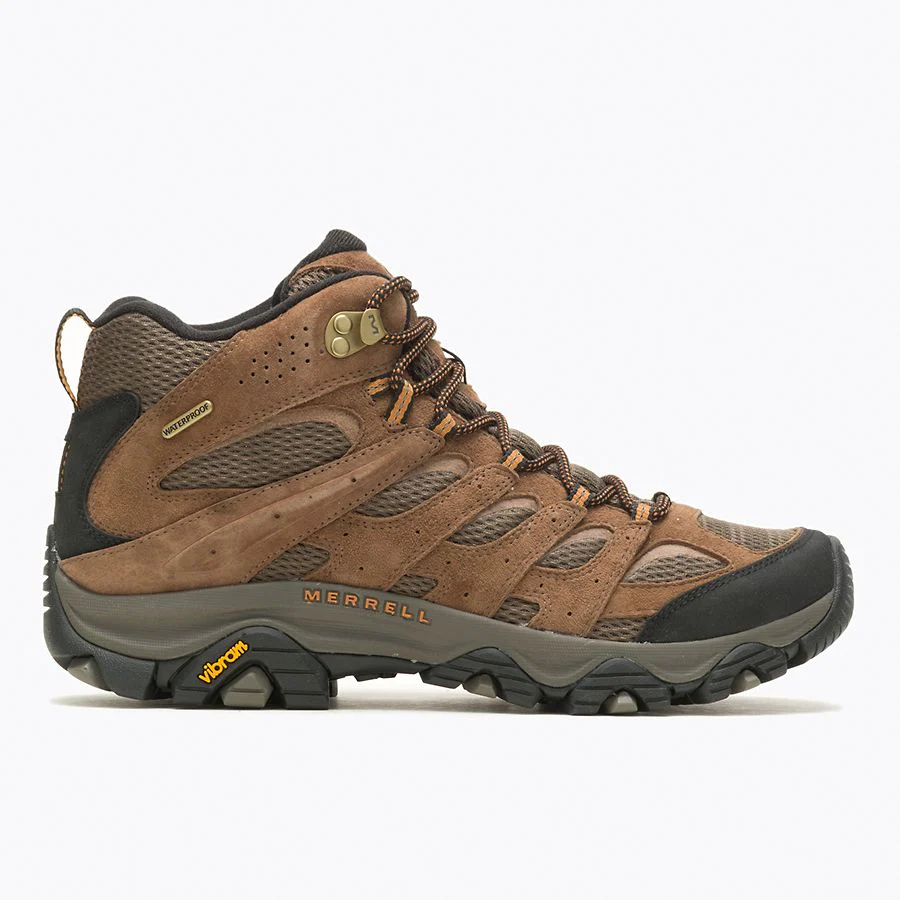
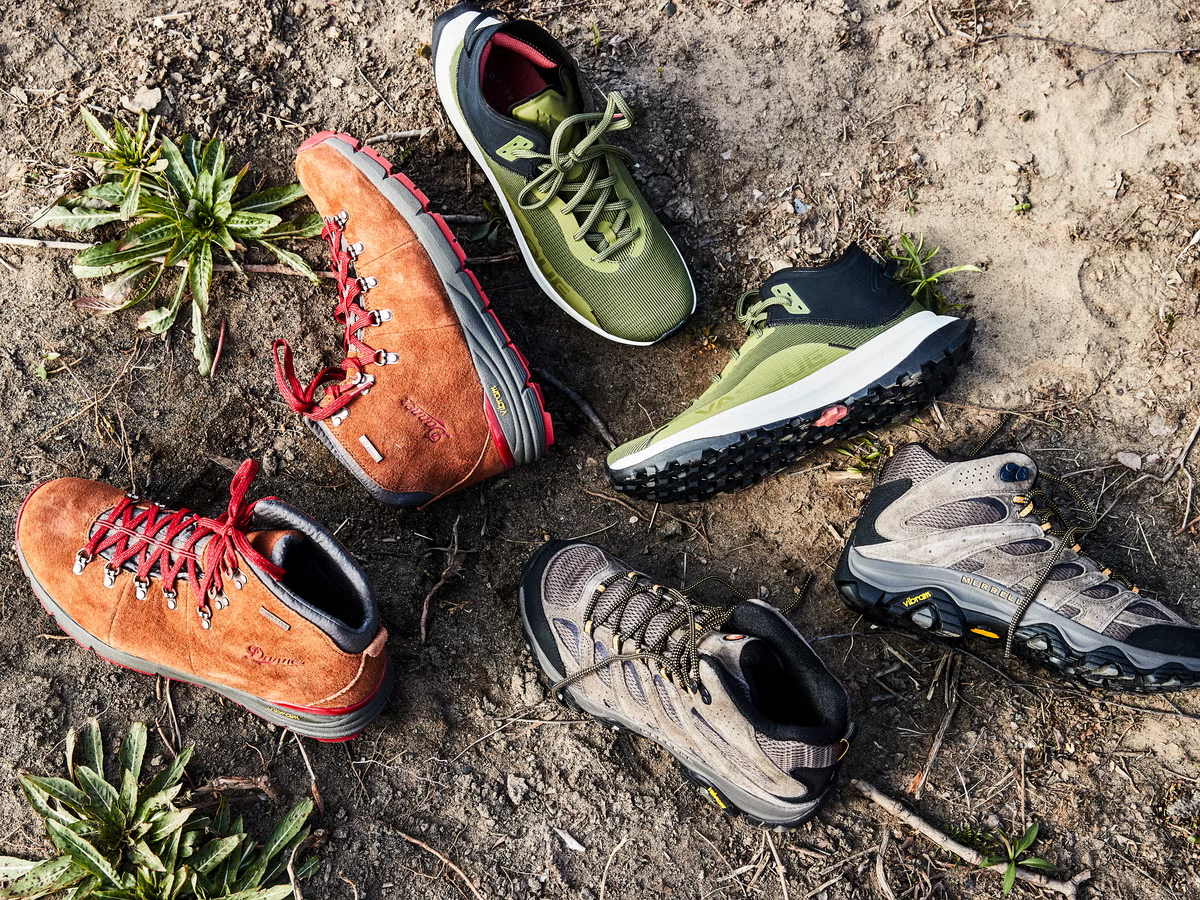
Hiking boots are mid-to-high cut shoes built for support, protection, and load-carrying. They sit above the ankle, use stiffer midsoles, and are constructed from more durable materials. Designed for multi-day backpacking, technical terrain, and situations where stability under a loaded pack matters more than speed.
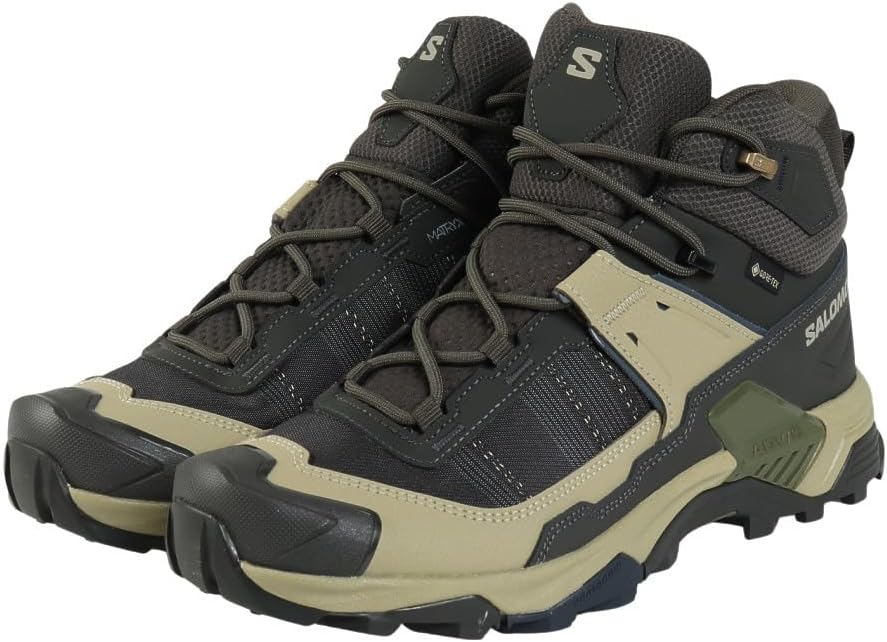
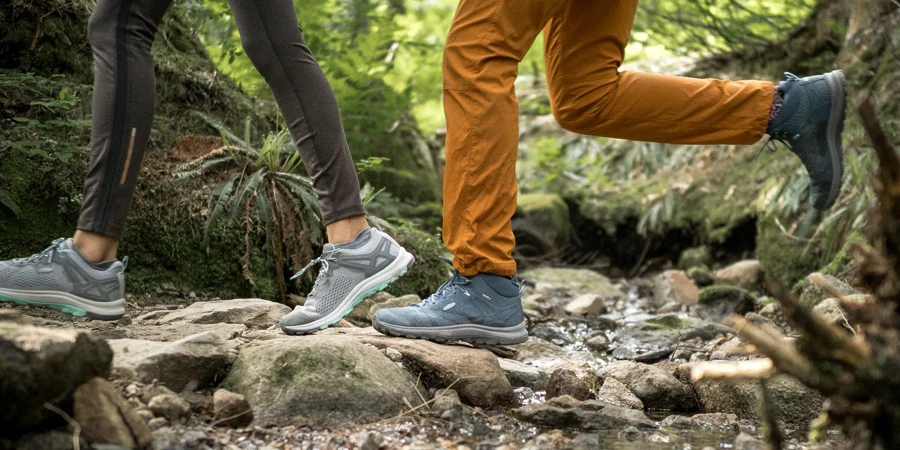
Hiking shoes are low-cut shoes built for day hiking and light backpacking. Same tough outsoles, same durable materials — but lighter, more nimble, and more flexible. Examples include the Merrell Moab 3, Salomon X Ultra 4, and KEEN Targhee IV.
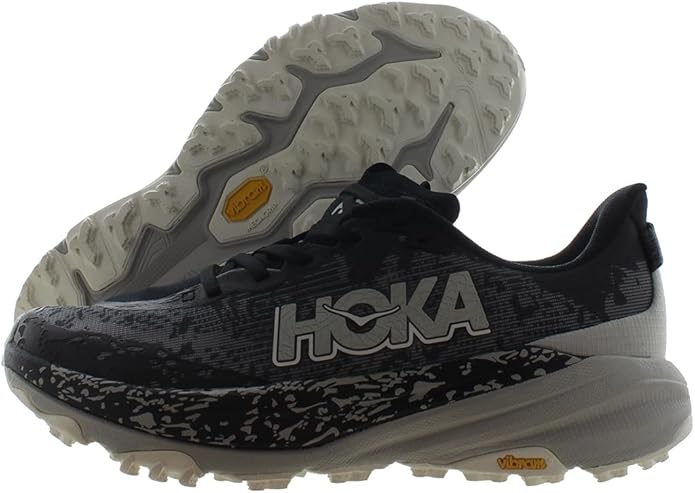
Trail runners are low-cut shoes built for running on trails but widely used for hiking. They prioritize lightness, breathability, and cushion over pure durability and support. Examples include the HOKA Speedgoat 6, Altra Lone Peak 9, and Brooks Cascadia 17.
The Weight Argument: Why It Matters More Than You Think
Every experienced hiker eventually learns this the hard way: shoe weight matters enormously.
The average pair of hiking boots weighs over 2 pounds. Hiking shoes hover around 1.5 pounds. The HOKA Speedgoat 6 — a max-cushion trail runner — weighs just 1 pound 3.6 oz.
On a 10-mile day, you're taking roughly 20,000 steps. A pound on your feet costs the same energy as carrying 5–6 extra pounds in your pack. The hiker in trail runners is effectively carrying a lighter base weight from the very first step.
This explains why 87% of AT thru-hikers end up in trail runners by the time they finish — the weight savings compound across hundreds of miles in a way that's not obvious on a 5-mile day hike.
The Ankle Support Myth (You Need to Know This)
The most common reason beginners buy high-cut boots is ankle support. It sounds logical. More material around your ankle = more protection against rolling.
Here's what the research actually says: multiple studies found no statistically significant difference in ankle sprain rates between hikers in high-cut boots versus low-cut shoes. Ankle stability comes primarily from the ligaments and muscles in your ankle joint, not from external material wrapped around it.
In fact, wearing high-cut boots consistently may weaken ankle stabilizing muscles over time, because those muscles never get trained.
That said, boots do provide real protection when carrying heavy loads (40+ lbs) that shift your center of gravity, and some additional stability for hikers recovering from an existing ankle injury.
When to Wear Each: The Honest Decision Guide
Trail Runners — Best For: high-mileage days (15+ miles), warm and dry conditions, light packs under 30 lbs, thru-hiking and section hiking, anyone who also wants to run sections of trail, and beginners who want comfort with zero break-in time.
Hiking Shoes — Best For: day hikes in varied conditions including wet trails, light to moderate backpacking with 25–40 lb packs, technical terrain on maintained trail, and shoulder-season hiking where light waterproofing is useful.
Hiking Boots — Best For: heavy pack loads (40+ lbs), multi-day winter backpacking, technical off-trail terrain like scree fields and boulder hopping, hikers with existing ankle injuries, and extreme conditions like deep snow and exposed ridgelines.
What About Waterproofing?
Here's a counterintuitive truth: waterproof boots aren't always the right call — even in wet conditions.
Waterproof membranes seal moisture out, but they also trap sweat in. In warm weather or high-output hiking, your feet will be soaked from the inside within hours regardless of whether rain is falling.
Non-waterproof trail runners in mesh dry in 30–60 minutes after a stream crossing. Waterproof boots that flood over the collar can stay wet for days.
Choose waterproof for cold conditions (below 5°C / 40°F), sustained cold drizzle in temperate climates, and hiking in dew-soaked vegetation in cool weather. Choose non-waterproof in warm temperatures, summer hiking, and routes with multiple water crossings.
The Bottom Line
Stop trying to find the "best" hiking footwear and start trying to find the right footwear for your actual hike:
- Casual day hikes, moderate terrain, light pack: hiking shoes - High mileage, warm weather, ultralight mindset: trail runners - Heavy pack, technical terrain, cold/winter conditions: hiking boots
If you're building your first hiking kit, a single well-chosen hiking shoe covers 80% of what most people actually do on trail. The Merrell Moab 3 or Salomon X Ultra 4 handles everything from 3-mile forest walks to 3-day backpacking trips in reasonable conditions. Start there, then branch out as your hiking gets more specialized.
Products We Recommend
Written by
Sarah Chen
Gear Analyst & Writer · Trailwise Gear
Sports science graduate with a background in biomechanics. Brings data-driven analysis to gear testing — quantifying comfort, weight distribution, and material performance.
Ultramarathon Runner · Alpine Mountaineer
Meet the full team →
Find the Best Gear
Browse our expert-ranked gear categories.