Sawyer Squeeze vs Sawyer Mini: Is the Mini Actually Worth It?
They look almost identical and use the same technology. But buying the wrong one is one of the most common gear mistakes first-time backpackers make. Here's the real difference.
Key Takeaways
- The Number That Matters: Flow Rate: Both filters use identical hollow fiber technology and achieve the same filtration level.
- Why Does the Mini Exist, Then?: The Mini genuinely excels in specific roles:.
- The Bottom Line: The 1 oz weight difference between them is not meaningful over a backpacking trip.
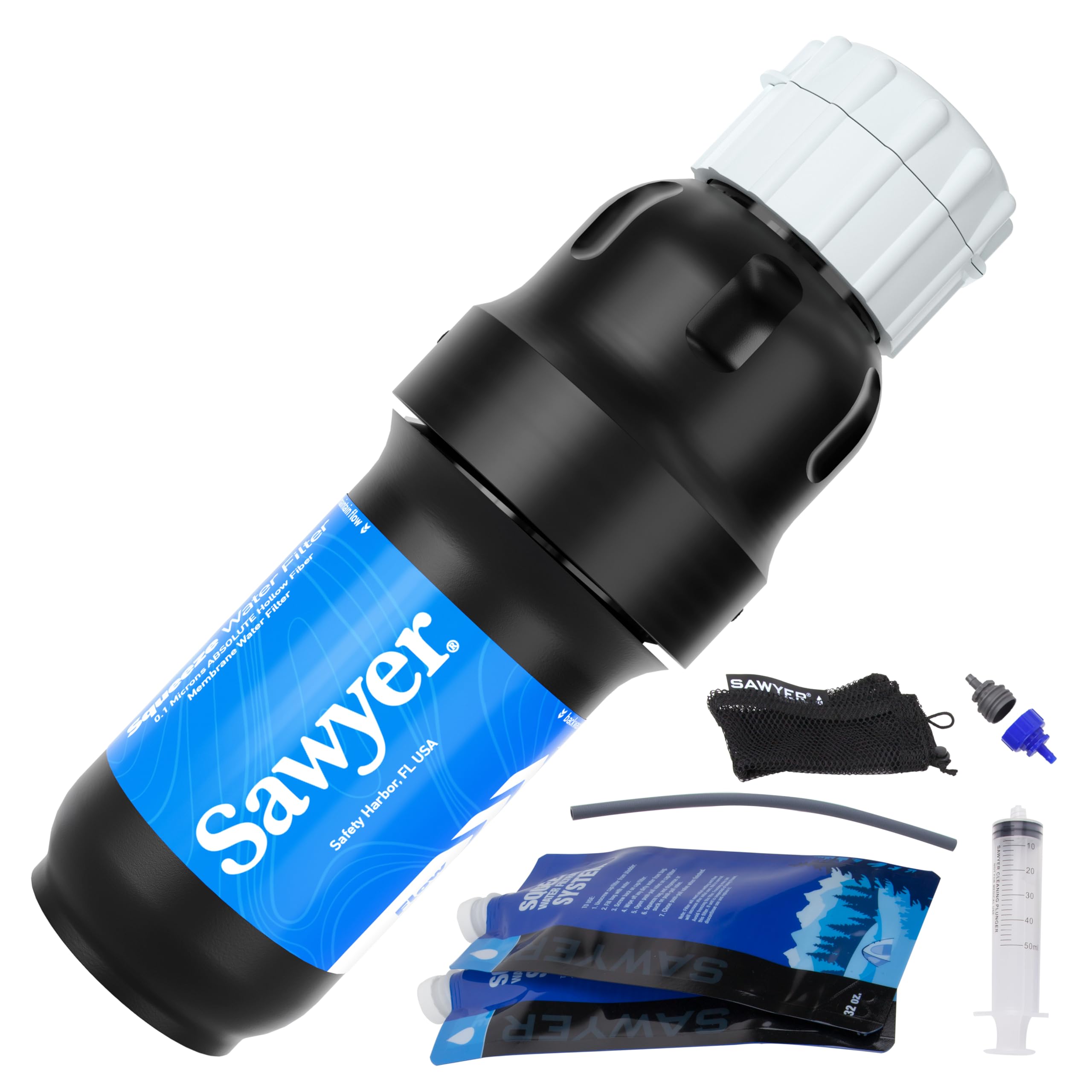
They look almost identical. They use the same hollow fiber technology. They're made by the same company. But the Sawyer Squeeze and the Sawyer Mini are not interchangeable — and buying the wrong one is one of the most common gear mistakes first-time backpackers make.
Here's the real difference, and why it matters more than the $10 price gap suggests.
Quick Specs
| Sawyer Squeeze | Sawyer Mini | |
|---|---|---|
| Weight | 3 oz | 2 oz |
| Filter Pore Size | 0.1 micron | 0.1 micron |
| Filter Life | 100,000 gallons | 100,000 gallons |
| Flow Rate | ~1.7 liters/min | ~0.5 liters/min |
| Thread Size | 28mm (standard) | 28mm (standard) |
| Price | ~$35 | ~$25 |
| Best For | All backpacking trips | Emergencies, backup, ultralight day hikes |
The Number That Matters: Flow Rate
Both filters use identical hollow fiber technology and achieve the same filtration level. The difference is in the filter element size — the Mini is physically smaller, which means less membrane surface area, which means dramatically slower flow rate.
The Sawyer Squeeze flows at approximately 1.7 liters per minute. The Sawyer Mini flows at roughly 0.5 liters per minute — about one-third as fast.
In practice: filling a 1-liter bottle through a Sawyer Squeeze takes about 40 seconds. Through a Mini, it takes about 2 minutes. At a lunch break where you're refilling a 2L hydration bladder, that's the difference between a 90-second task and a 4-minute task. Multiply that over a 5-day trip with 4–6 water stops per day and you've spent an extra 40+ minutes crouched over a water source.
That time — and the physical effort of squeezing against a slow membrane — is why experienced backpackers who've used both almost universally recommend the Squeeze over the Mini for any trip longer than a single day.
Why Does the Mini Exist, Then?
The Mini genuinely excels in specific roles:
Emergency and survival kit. At 2 oz and $25, it's the ideal filter for an emergency kit or car kit where size and cost matter more than convenience. It can save your life if you need it.
Day hike backup filter. For day hikers who carry a Nalgene and just want a filter in case, the Mini is practical insurance. Day hiking filtering needs are low enough that slow flow rate isn't a real problem.
Straw use in an emergency. The Mini can be used as a drinking straw directly from a water source. In a true emergency situation, the smaller form factor is slightly more manageable.
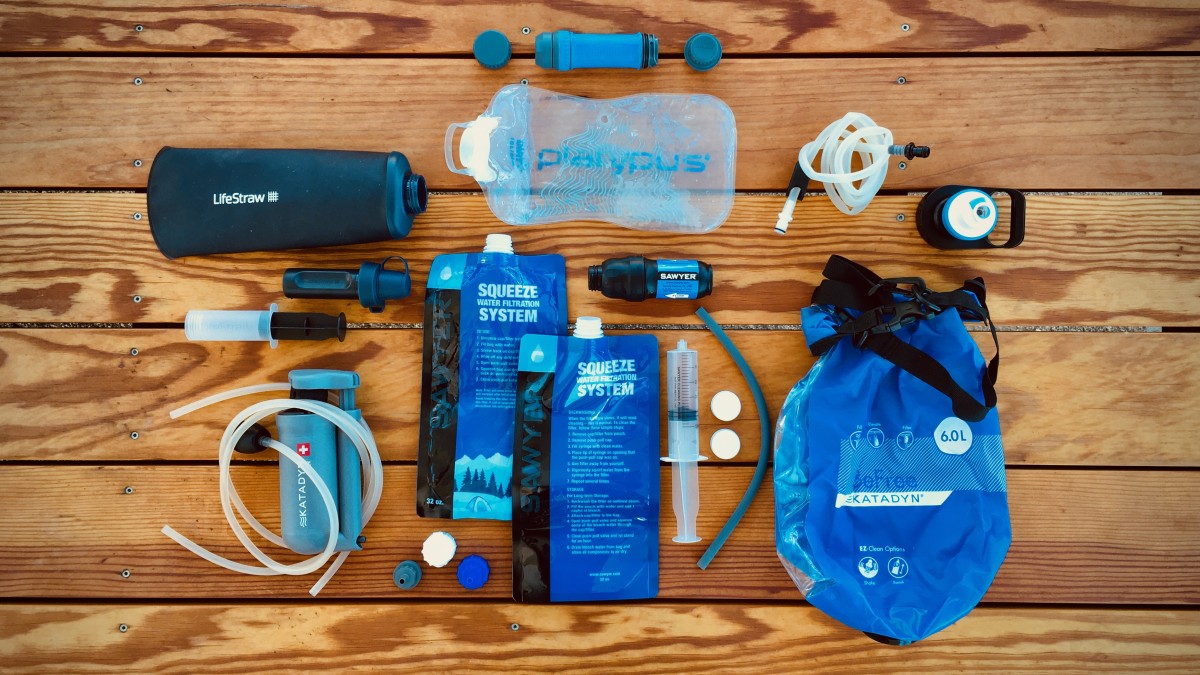
For a broader comparison of the Sawyer line against competing filters, the Sawyer Squeeze vs LifeStraw vs Grayl guide puts all three in context. And for understanding what both filters actually remove — and what they don't — the water filter vs purifier explainer covers the full picture.
The Bottom Line
The 1 oz weight difference between them is not meaningful over a backpacking trip. The flow rate difference absolutely is. Unless you have a specific reason to choose the Mini, the Squeeze is the better buy — more capable, more enjoyable to use, and worth the extra $10.
One more thing: if you do buy the Squeeze, replace the included soft pouch with a Cnoc Vecto or similar wide-mouth compatible bottle. The included pouches are notoriously fragile and many hikers report them splitting on the first or second trip. The filter itself is excellent; the pouch is the weak link.
- Buy the Sawyer Squeeze if: any trip longer than a day, using as primary filter, want best versatility (in-line, squeeze, gravity use)
- Buy the Sawyer Mini if: going in an emergency kit, backup for a trip where your primary filter is something else, day hiking with very occasional water needs
Products We Recommend
Written by
James Whitfield
Camping & Shelter Specialist · Trailwise Gear
Cold-weather camping expert who has tested tents in conditions ranging from -30°C to desert monsoons. The team's go-to for gear under genuine stress.
Winter Camping Instructor · 4-Season Mountaineer
Meet the full team →
Find the Best Gear
Browse our expert-ranked gear categories.