Water Filter vs UV Purifier vs Chemical Treatment: Which Should You Use?
Three methods, three different trade-offs. The wrong choice for your situation creates unnecessary weight, cost, or inconvenience. Here's the honest comparison.
Key Takeaways
- The Three Methods, Explained: Mechanical Filters (Hollow Fiber, Ceramic) physically remove contaminants by forcing water through a membrane with microscopic pores.
- The Key Decision: Do You Need Virus Protection?: This single question determines most of your choice.
- The Case for Carrying Two Systems: Many experienced backpackers carry a primary mechanical filter plus Aquamira chemical drops as a backup.
Clean water is non-negotiable in the backcountry. But the gear you use to get it matters more than most people realize — not because any option is unsafe, but because the wrong choice for your situation creates unnecessary weight, cost, or inconvenience when you're already out there dealing with enough variables.
Here's the honest comparison of the three main approaches.
The Three Methods, Explained
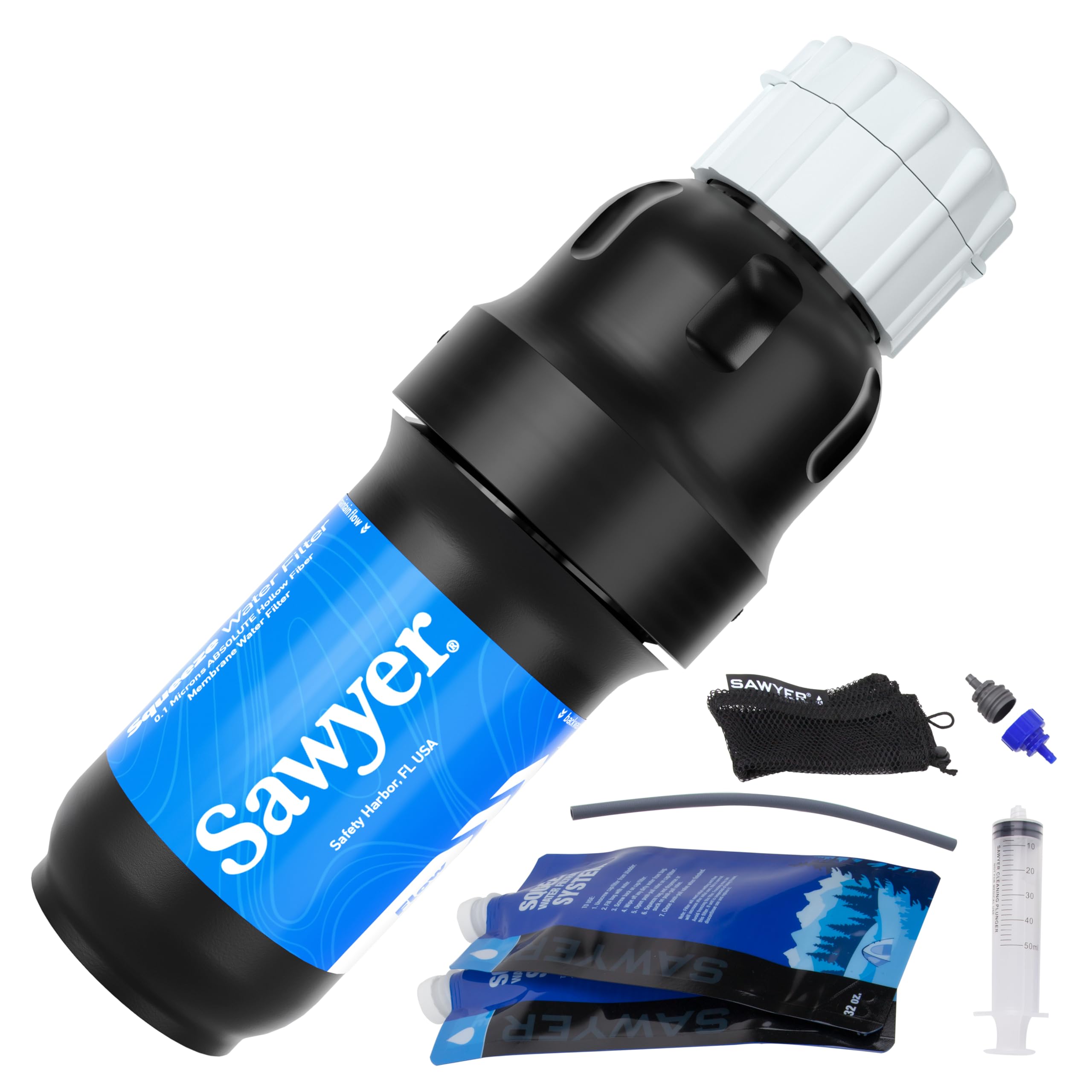
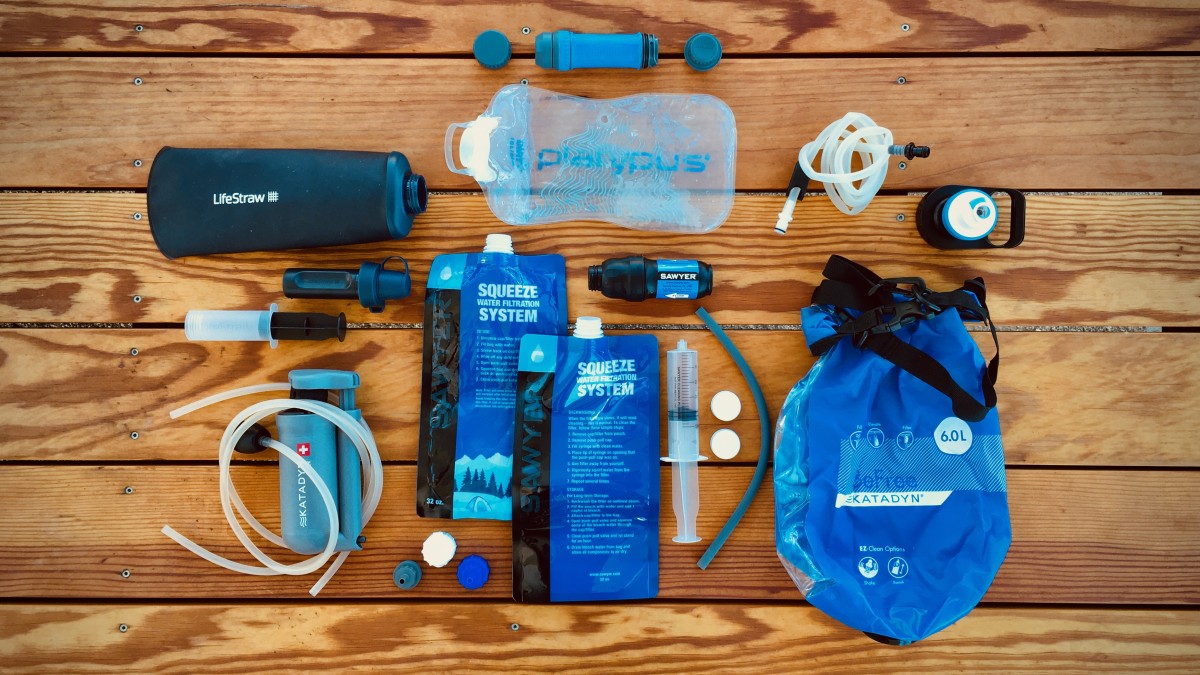
Mechanical Filters (Hollow Fiber, Ceramic) physically remove contaminants by forcing water through a membrane with microscopic pores. The Sawyer Squeeze, Katadyn BeFree, and Platypus QuickDraw are all hollow fiber filters. They remove bacteria and protozoa (Giardia, Cryptosporidium) but do not remove viruses, which are smaller than the pore size.
UV Purifiers (SteriPEN) use ultraviolet light to scramble the DNA of pathogens — bacteria, protozoa, and viruses — making them unable to reproduce. They don't physically remove anything; they deactivate it. Critical limitation: water must be relatively clear — turbid or silty water reduces UV effectiveness significantly.
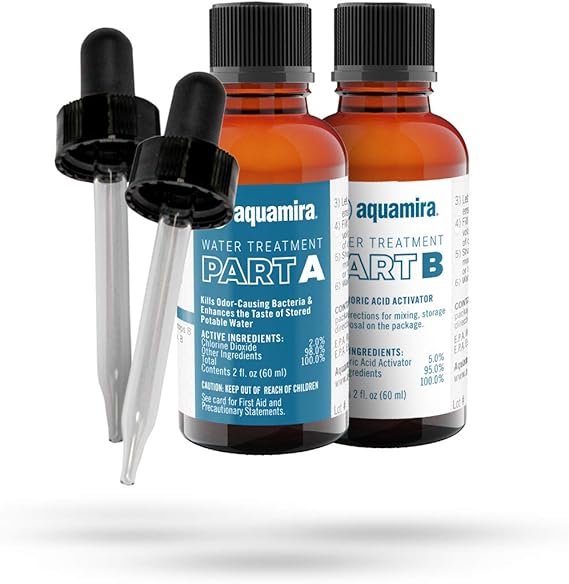
Chemical Treatment (Aquamira, chlorine dioxide) uses drops or tablets to kill pathogens. Chlorine dioxide addresses bacteria, protozoa, and viruses, making it a true purifier. At 20–30 tablets weighing under 1 oz, it's the lightest treatment option. The trade-off: chlorine dioxide requires 30 minutes to 4 hours depending on water temperature.
For a deeper breakdown of what filters vs. purifiers actually do at the pathogen level, the water filter vs purifier guide covers the science in full detail.
The Key Decision: Do You Need Virus Protection?
This single question determines most of your choice.
In North American and Western European wilderness water sources — rivers, lakes, and streams in areas without dense human habitation or agricultural runoff — viruses are rarely present. The dominant concerns are Giardia and Cryptosporidium, both protozoa that standard hollow fiber mechanical filters handle effectively.
Viruses become a genuine concern when: camping near heavily used areas with poor sanitation, international travel in developing countries, post-flood water with agricultural contamination, and densely populated backcountry areas.
If you don't need virus protection: a hollow fiber squeeze filter (Sawyer Squeeze, LifeStraw Peak) is the optimal combination of weight, speed, ease of use, and cost. The Sawyer Squeeze vs LifeStraw vs Grayl comparison breaks down exactly which filter suits which trip type.
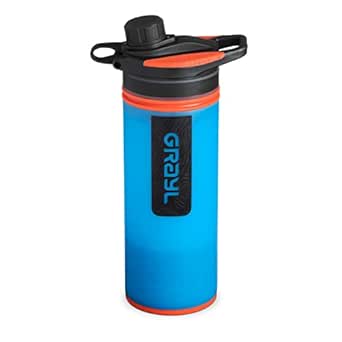
If you do need virus protection: UV purification, chlorine dioxide tablets, or a Grayl-style press purifier are your options.
The Case for Carrying Two Systems
Many experienced backpackers carry a primary mechanical filter plus Aquamira chemical drops as a backup. Mechanical filters can freeze, clog, or fail. Chemical drops are weightless insurance — a few ml of Aquamira weighs practically nothing, treats dozens of liters, and can save a trip if your primary filter fails or freezes solid overnight in a winter camp.
For international travel, the combination of a Sawyer Squeeze (removes particulates and large pathogens, improves taste) plus chlorine dioxide drops or a SteriPEN (adds virus coverage) provides comprehensive coverage while keeping weight reasonable.
Head-to-Head Comparison
| Mechanical Filter | UV Purifier | Chemical Treatment | |
|---|---|---|---|
| Weight | 2–5 oz | 3–4 oz | <1 oz |
| Speed | 1–2 L/min | 48 sec/L | 30 min – 4 hrs |
| Kills viruses? | No | Yes | Yes (chlorine dioxide) |
| Works in turbid water? | Yes | No (reduced effectiveness) | Yes |
| Works when frozen? | No | Yes | Yes |
| Cost per use | Near zero (lifetime filter) | Battery cost | ~$0.50 per liter |
| Ideal use | North American backcountry | International, clear sources | Emergency backup, cold weather |
The Bottom Line
For most hikers in North America: a hollow fiber squeeze filter is the right primary solution. Add Aquamira drops as a backup and you're covered for virtually any scenario.
For international travel: the Grayl GeoPress or a UV purifier provides the virus coverage you need.
For cold-weather backpacking: chemical treatment is the only system that works when temperatures drop below freezing. Mechanical filters with frozen membranes are destroyed and must be replaced.
Browse water filters for all treatment options at every price point.
Products We Recommend
Written by
Marcus Osei
Founder & Lead Reviewer · Trailwise Gear
Former wilderness guide with 15 years of expedition experience across Patagonia, the Rockies, and the Himalayas. Has personally tested over 400 pieces of gear in the field.
PCT Section Hiker · Appalachian Trail Thru-Hiker
Meet the full team →
Find the Best Gear
Browse our expert-ranked gear categories.