How to Prevent Blisters While Hiking: The Complete Guide
Blisters are the most common hiking injury and the most preventable. Here's exactly why they form — and how to eliminate every contributing factor before you hit the trail.
Key Takeaways
- Why Blisters Form: The Actual Mechanism: Blisters are the result of friction between your skin and something rubbing against it — your sock, your shoe, or the seam between the two.
- The Most Important Factor: Shoe Fit: No amount of sock technology, blister prevention products, or taping technique compensates for a poorly fitting shoe.
- Hiking Socks: The Second Most Important Factor: Your choice of hiking socks matters more than most people realize.
- Moisture Management: Keeping Your Feet Dry: Moisture dramatically accelerates blister formation.
Blisters are the most common hiking injury, the most preventable hiking injury, and the one most hikers handle completely wrong.
The conventional wisdom goes like this: get a blister, pop it, tape it, keep hiking. That works in a pinch. But it's the equivalent of fixing a leaking roof by putting a bucket under it — you're managing the symptom while ignoring the cause.
The real approach to blister prevention is understanding exactly why blisters form, then eliminating each contributing factor before you ever hit the trail. When you do this right, blisters become optional — something that happens to other people, not to you.
Why Blisters Form: The Actual Mechanism
Blisters are the result of friction between your skin and something rubbing against it — your sock, your shoe, or the seam between the two. Friction causes layers of skin to separate, and fluid fills that space as a protective response.
Three conditions must be present for friction to reach blister-forming levels:
1. Repetitive motion — every step you take creates a small rubbing action 2. Heat and moisture — wet or sweaty skin is significantly more susceptible to friction damage than dry skin 3. Pressure points — areas where your shoe fits improperly create concentrated friction
Remove any one of these three, and blister risk drops dramatically. Address all three, and blisters become rare events rather than trail constants.
The Most Important Factor: Shoe Fit
No amount of sock technology, blister prevention products, or taping technique compensates for a poorly fitting shoe. Fit is the foundation.
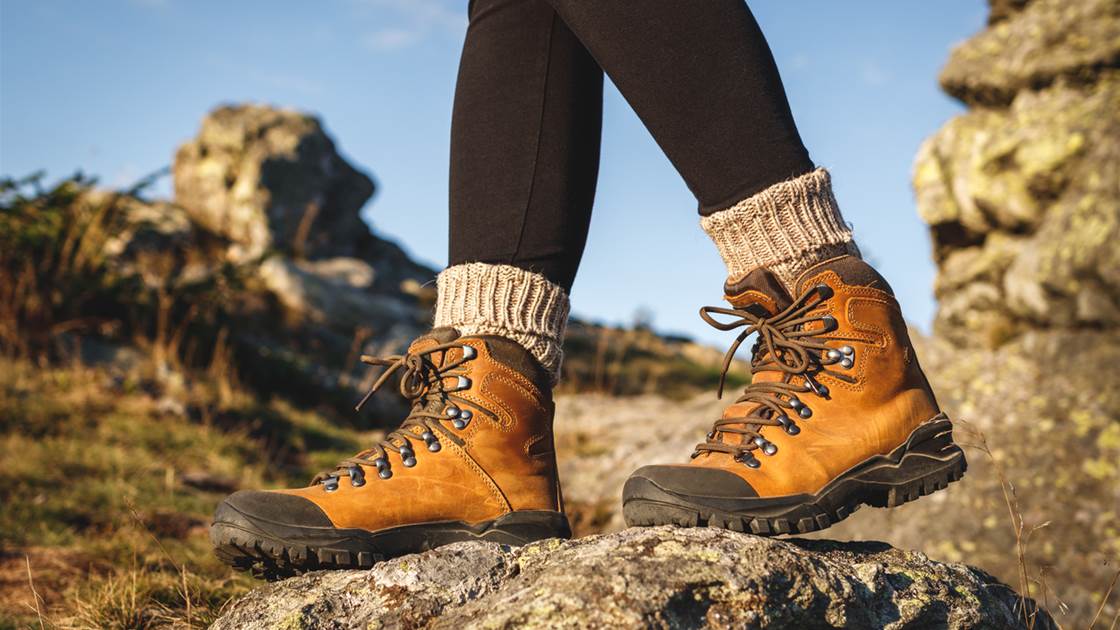
Length: With your heel pressed firmly back, you should have roughly a thumb's width of space between your longest toe and the end of the shoe. Your toes should never press against the toe box. On descents — where your foot slides forward with each step — insufficient toe room is the primary cause of black toenails and toe blisters.
Width: Your foot should feel secure without feeling squeezed. If you're getting blisters on the sides of your foot or your pinky toe is being compressed, you need a wider fit. KEEN's wide toe box design and Altra's foot-shaped toe box are specifically built for wider feet that struggle in standard hiking shoe lasts.
Heel lock: Your heel should not slide up with each step. Even a small amount of heel lift creates repeated friction against the back of your ankle — the most common blister site.
This is the non-negotiable rule that beginners most often skip: break in your footwear before your first real hike. Taking brand new, un-broken-in boots on a 10-mile day hike is the surest blister guarantee in all of outdoor recreation. For a full break-in system, see how to break in hiking boots.
Hiking Socks: The Second Most Important Factor
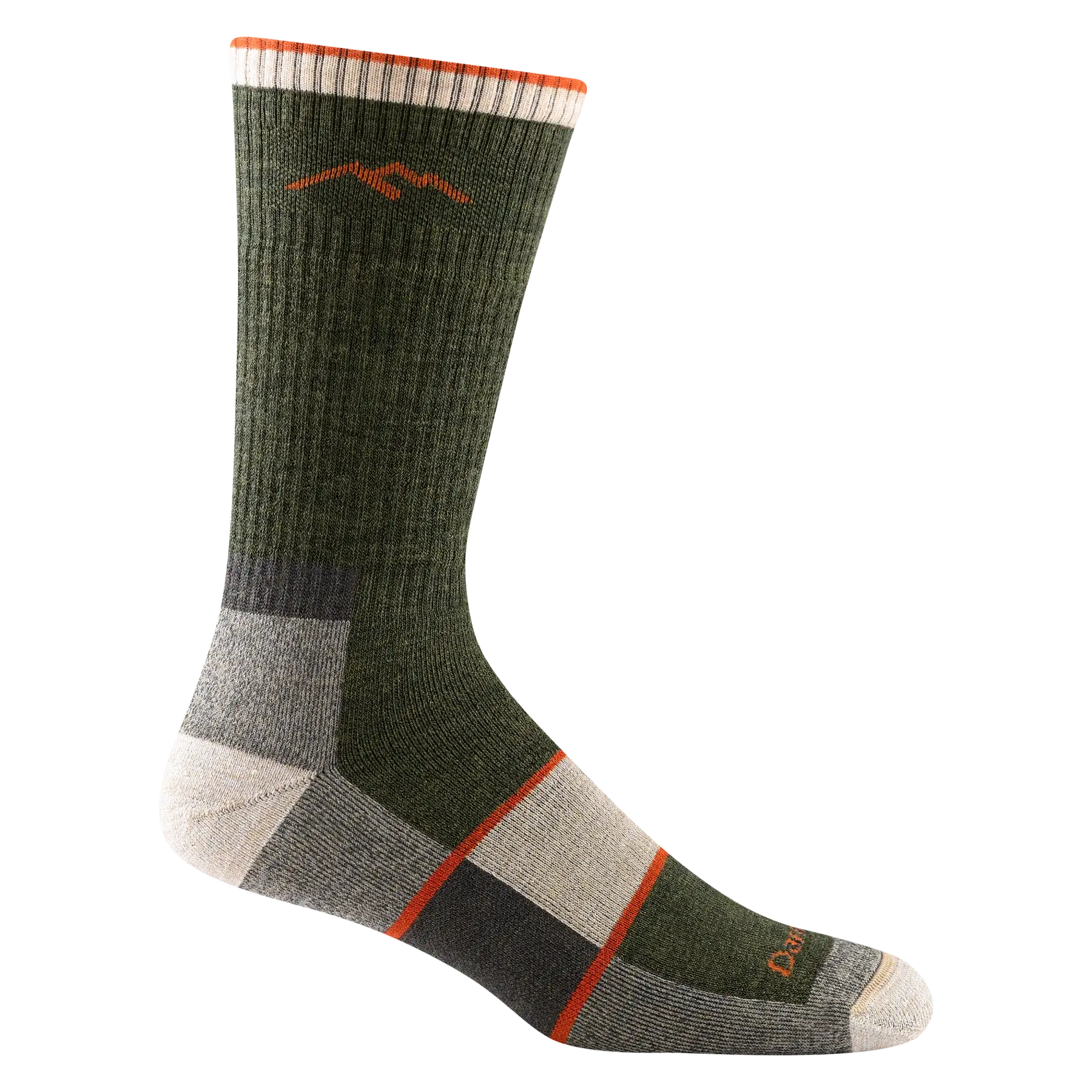
Your choice of hiking socks matters more than most people realize. The right sock reduces friction, manages moisture, and cushions pressure points. The wrong sock — especially cotton — makes blisters almost inevitable.
Why cotton socks cause blisters: Cotton absorbs sweat but doesn't release it efficiently. Within an hour of hiking, cotton socks are damp; within two hours, they're wet. Wet skin is dramatically more vulnerable to friction — blister formation rates increase by more than 50% when skin is moist compared to dry.
Merino wool is the gold standard. It's naturally moisture-wicking, temperature-regulating, odor-resistant, and maintains cushioning even when damp. Darn Tough's merino hiking socks are unconditionally guaranteed for life and are consistently rated the most durable hiking socks on the market.
Synthetic blends (nylon + polyester + spandex) are excellent alternatives — more durable than pure merino, dry faster, and cost less.
The double-sock system: Some long-distance hikers wear a thin liner sock under their hiking sock. The two layers create a friction surface between them rather than between sock and skin — particularly effective for hikers prone to heel and toe blisters.
Moisture Management: Keeping Your Feet Dry
Moisture dramatically accelerates blister formation. Managing foot moisture is a separate discipline from choosing the right socks and shoes.
Body Glide — a balm-stick product originally designed for runners — is the most popular anti-blister lubricant used by hikers. Applied to the common blister sites (heel, ball of foot, between toes, pinky toe) before hiking, it reduces friction by creating a low-resistance surface layer.
Foot powder (or products like Gold Bond) reduces moisture by absorbing sweat. Some hikers apply it inside their socks before putting them on; others dust it directly on feet.
The waterproof footwear counterintuition: Waterproof boots trap moisture inside. Your sweat can't evaporate through a waterproof membrane — it accumulates. In warm conditions, non-waterproof mesh trail runners allow significant airflow and dry faster if water does get in. Many experienced hikers specifically choose non-waterproof footwear in summer to keep feet drier from sweat — which is the bigger blister risk than external water on most trails.
How to Deal with Hot Spots Before They Become Blisters
A hot spot is your body's warning signal — increased heat, tenderness, and redness in a specific location. This is your window to intervene before the damage escalates.
Stop immediately when you feel a hot spot. Take off your shoe and sock. Identify the location. Determine the cause: is your lace too tight? Is there debris in your shoe? Is the sock bunched or shifted?
Apply moleskin or KT tape to the hot spot. Moleskin (or the more aggressive Leukotape P, which stays on even in wet conditions) covers the irritated skin and eliminates the friction surface. Cut a "donut" shape — a circle with the hot spot in the center — which protects the area without putting pressure directly on it.
Adjust the fit. Re-lace your shoe, smooth your sock, remove any debris. Address the root cause, not just the symptom. Five minutes spent handling a hot spot prevents hours of hiking in pain.
Blister Prevention Kit: What to Carry on Every Hike
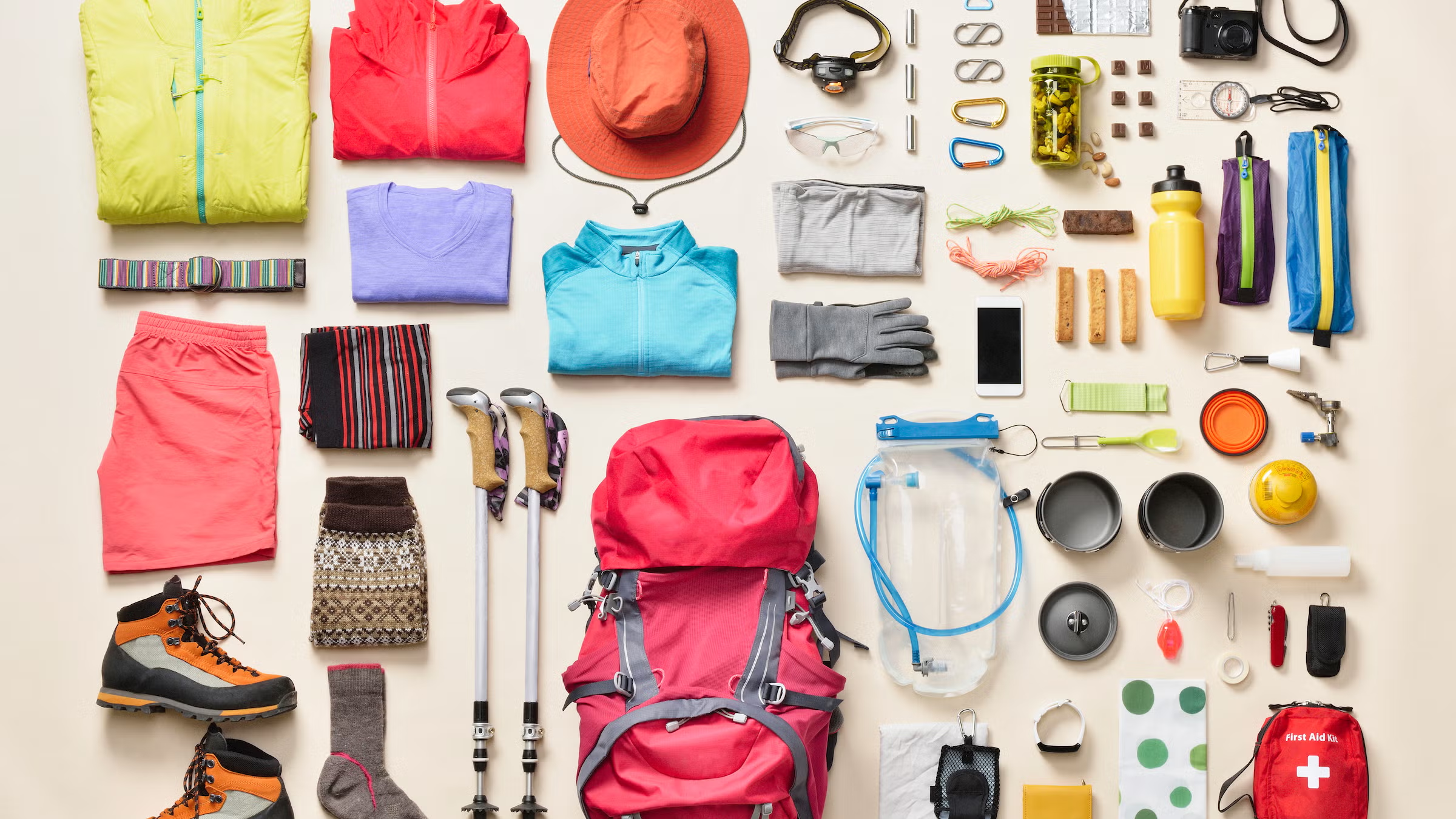
A dedicated blister kit adds almost no weight but makes a dramatic difference when things go wrong. Pack these in every daypack — see the day hike packing list for the full kit:
- Moleskin or Leukotape P — the most effective blister prevention taping material
- Body Glide or equivalent anti-friction balm
- Blister bandages (Band-Aid Blister cushions or Compeed)
- Safety pin or sterile needle for draining if needed
- Small alcohol wipes for sterilization
- Foot powder for moisture management
The Blister Prevention Checklist
Before every hike, run through this. Follow it consistently and blisters stop being a trail reality and start being a trail rarity.
- Footwear fits properly with a thumb's width of toe space
- Boots or shoes are broken in — not brand new
- Wearing merino wool or synthetic hiking socks (never cotton)
- Sock thickness matches shoe volume
- Hot spots from previous hikes are pre-taped
- Anti-friction product applied to common blister sites
- Blister kit in daypack
Products We Recommend
Written by
Sarah Chen
Gear Analyst & Writer · Trailwise Gear
Sports science graduate with a background in biomechanics. Brings data-driven analysis to gear testing — quantifying comfort, weight distribution, and material performance.
Ultramarathon Runner · Alpine Mountaineer
Meet the full team →
Find the Best Gear
Browse our expert-ranked gear categories.