Best Hiking Boots for Beginners: What to Look For and What to Buy in 2026
The wrong first boot can sour hiking before it's had a chance to take hold. Here's what actually matters for a beginner's first hiking boot — and the specific boots that consistently deliver.
Key Takeaways
- What Beginners Actually Need in a Hiking Boot: Before product recommendations, it's worth understanding what performance criteria matter most for a beginner hiker — because they're different from what experienced technical hikers prioritize.
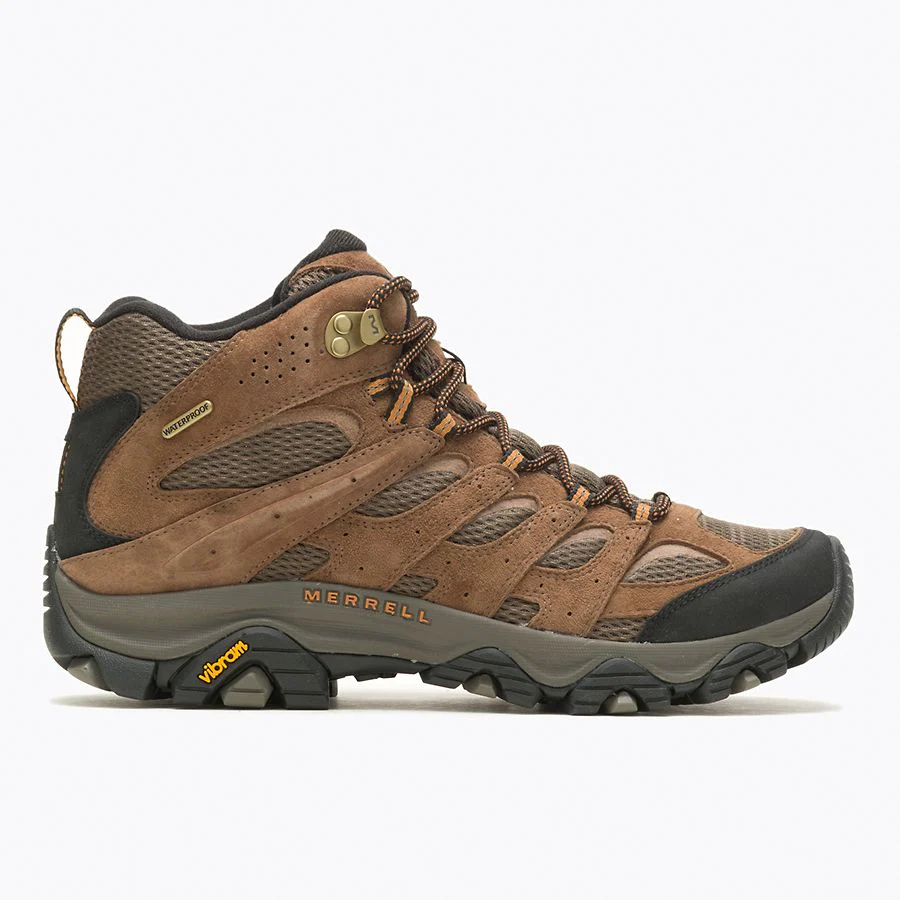
- Best Overall: Merrell Moab 3 Mid Waterproof (~$170): The Merrell Moab 3 is the most recommended beginner hiking boot for one simple reason: it does everything adequately and nothing poorly, at a price that won't terrify a first-timer.
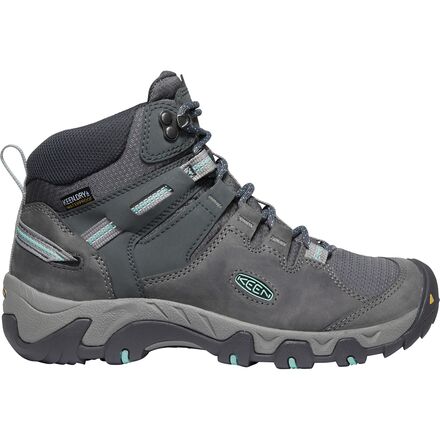
- Best for Wide Feet: KEEN Targhee IV Mid Waterproof (~$165): KEEN built their reputation on the widest toe box in the hiking footwear industry.
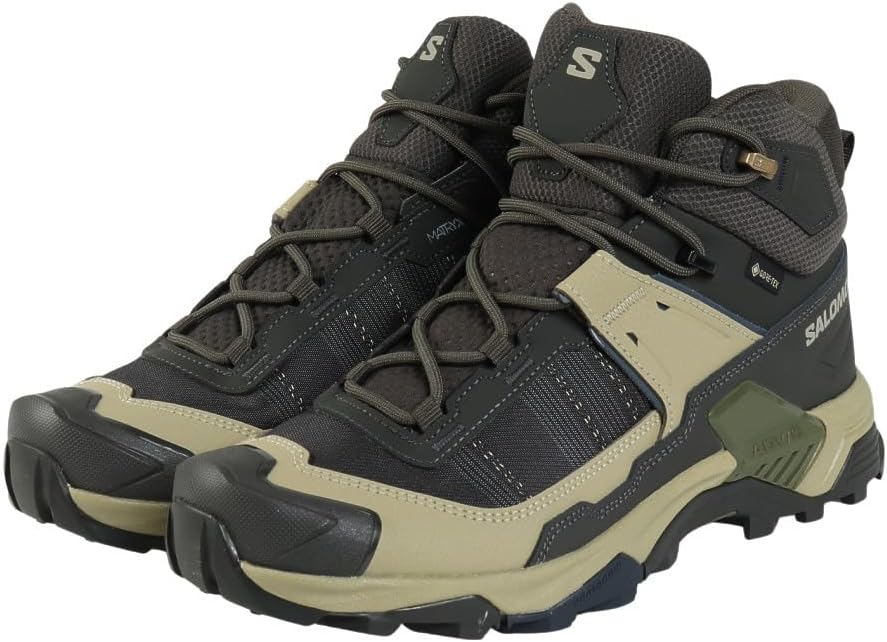
- Best Lightweight Option: Salomon X Ultra 4 Mid GORE-TEX (~$190): For beginners who want a more athletic feel — closer to a trail runner than a traditional boot — the Salomon X Ultra 4 Mid GTX delivers GORE-TEX waterproofing, excellent traction, and a weight significantly lower than most traditional mid-height boots.
Picking your first pair of hiking boots is both simpler and more consequential than most gear purchases. Simpler, because a few key criteria narrow the field quickly. More consequential, because the wrong first boot — one that's too stiff, too narrow, or requires a three-week break-in — can genuinely sour the hiking experience before it's had a chance to take hold.
This guide skips the overwhelm. Here's what actually matters for a beginner's first hiking boot, what to avoid, and the specific boots that consistently deliver the best experience for people new to the trail.
What Beginners Actually Need in a Hiking Boot
Before product recommendations, it's worth understanding what performance criteria matter most for a beginner hiker — because they're different from what experienced technical hikers prioritize.
Out-of-the-box comfort. A first hiking boot should feel immediately comfortable — no more than a short break-in period before a real trail. Stiff, traditional leather boots require significant break-in and are the most common cause of blister horror stories from beginners.
Versatility across terrain. Beginners rarely hike technical off-trail alpine terrain on their first dozen outings. A mid-height or low-height hiking shoe/boot with good traction on mixed surfaces — rock, dirt, mud — is the right target, not a technical mountaineering boot.
Waterproofing. Most beginners should start with a waterproof boot. The peace of mind of confidently stepping through puddles, wet grass, and shallow streams is valuable when you're learning the sport and managing enough variables already.
Supportive but not rigid. A beginner hiking boot should be supportive enough to feel stable on uneven terrain without being so stiff that it restricts natural foot movement.
Best Overall: Merrell Moab 3 Mid Waterproof (~$170)
The Merrell Moab 3 is the most recommended beginner hiking boot for one simple reason: it does everything adequately and nothing poorly, at a price that won't terrify a first-timer.
The Moab 3 has virtually no break-in requirement — most hikers report wearing them for the first time on a real hike without issue. The M Select DRY waterproof membrane keeps feet dry in light to moderate conditions, the Vibram TC5+ outsole provides genuine grip on most trail surfaces, and the Merrell Air Cushion midsole offers adequate cushioning for all-day day hikes.
The fit is slightly wide and boxy — forgiving for the medium-to-wider foot shapes that many people have without knowing it.
Limitations: Not the most technical boot for serious off-trail use, and the waterproofing doesn't match premium GORE-TEX membranes in sustained heavy rain. For 90% of beginner day hiking scenarios, neither limitation matters.
Weight: ~2 lbs 4 oz | Waterproofing: M Select DRY
Best for Wide Feet: KEEN Targhee IV Mid Waterproof (~$165)
KEEN built their reputation on the widest toe box in the hiking footwear industry. For hikers who've always struggled with cramped toes, numb pinky toes on descents, or blisters along the sides of their forefoot — this is likely the boot that solves the problem.
The Targhee IV is comfortable right out of the box, uses KEEN's KEEN.DRY waterproof membrane, and is highly durable thanks to nubuck leather uppers and KEEN's protective toe cap — the most protective toe cap in the beginner boot category.
Limitations: Slightly heavier than the Moab 3. The wide fit, while ideal for wide-foot hikers, can feel sloppy for hikers with narrow feet.
Weight: ~2 lbs 4 oz | Waterproofing: KEEN.DRY
Best Lightweight Option: Salomon X Ultra 4 Mid GORE-TEX (~$190)
For beginners who want a more athletic feel — closer to a trail runner than a traditional boot — the Salomon X Ultra 4 Mid GTX delivers GORE-TEX waterproofing, excellent traction, and a weight significantly lower than most traditional mid-height boots.
The X Ultra 4's chassis is stiff enough to feel supportive on technical terrain but flexible enough to feel responsive on maintained trails. GORE-TEX waterproofing is meaningfully better than proprietary membranes in extended rain. The Contagrip outsole provides excellent traction on mixed terrain.
Limitations: The fit runs somewhat narrow. Wide-foot hikers will want to try before buying.
Weight: ~1 lbs 14 oz | Waterproofing: GORE-TEX
For a direct comparison of these two top options, see Merrell Moab 3 vs KEEN Targhee.
Best Budget: Columbia Newton Ridge Plus II (~$90–$110)
For hikers who aren't sure hiking will stick and want to start without a significant financial commitment, the Columbia Newton Ridge Plus II delivers solid beginner performance at an accessible price.
Columbia's Omni-Tech waterproof membrane handles light-to-moderate wet conditions. The midsole provides cushioning appropriate for day hiking, and the outsole provides acceptable grip on typical trail surfaces.
Limitations: Noticeably below the Moab 3 in traction, durability, and membrane quality. Consider it a 1–2 season option rather than a multi-year investment.
Weight: ~3 lbs | Waterproofing: Omni-Tech
Mid-Height vs Low-Cut: Which Should Beginners Buy?
Mid-height boots (the style of all the recommendations above) provide a modest amount of ankle coverage without the stiffness and weight of full high-top backpacking boots. For beginners, this is the sweet spot — enough coverage to feel secure on uneven terrain, enough flexibility to feel natural walking.
Low-cut hiking shoes are lighter and more agile but provide slightly less protection and feel less stable with moderate pack weight. Consider them after you have enough trail experience to know your preferences.
Full high-cut backpacking boots are for carrying heavy loads (40+ lbs) over technical terrain — not what most beginners need.
Hiking Boots vs Trail Runners for Beginners
Trail runners — particularly the HOKA Speedgoat 6 and Salomon X Ultra 4 Low — are increasingly popular with beginners. They're lighter, more comfortable out of the box, and don't require break-in. For a full comparison, read trail runners vs hiking boots vs hiking shoes.
Start with a waterproof hiking boot (like the Moab 3) if any of these apply:
- You hike in wet or cold conditions
- You'll carry any pack weight beyond a 10 lb daypack
- You like the feeling of foot stability and protection
- You hike on moderate to technical terrain
The Most Important Advice: Get Fitted in Person
Hiking boot fit is highly individual. Foot volume, arch height, heel width, and toe shape all vary considerably between people, and the difference between a well-fitting boot and a poorly-fitting boot in the same size is enormous.
Whenever possible, try hiking boots at a specialty outdoor store rather than ordering blind online. Bring the socks you'll hike in. Try on multiple brands and models. Walk on the store's inclined surfaces if they have them.
Once you have your boots, follow the how to break in hiking boots guide before your first real hike — and read how to prevent blisters while hiking to protect your feet from day one. Browse the full hiking boots category for all current top-rated options.
Products We Recommend
Written by
Sarah Chen
Gear Analyst & Writer · Trailwise Gear
Sports science graduate with a background in biomechanics. Brings data-driven analysis to gear testing — quantifying comfort, weight distribution, and material performance.
Ultramarathon Runner · Alpine Mountaineer
Meet the full team →

Find the Best Gear
Browse our expert-ranked gear categories.