How to Stay Safe Hiking Alone: The Complete Solo Hiking Guide
Solo hiking done right is perfectly safe. Here's what experienced solo hikers do that beginners often don't — from communication tools to trail selection to wildlife awareness.
Key Takeaways
- Tell Someone Where You're Going — Every Single Time: This is the most important solo hiking safety rule.
- The Solo Hiker's Communication Toolkit: Cell service is unreliable at best on most hiking trails.
- Choosing the Right Trail for Solo Hiking: Trail selection is more important for solo hikers than for groups.
- What to Carry Solo: The Upgraded Kit: Solo hikers need a more comprehensive kit than group hikers because there's no one else in the group carrying shared safety supplies.
Solo hiking gets an undeserved reputation as reckless. The reality is more nuanced: solo hiking done right is perfectly safe — and the freedom, pace control, and solitude of hiking alone are things that group hiking genuinely can't replicate.
The key phrase is "done right." Solo hiking carries higher stakes than group hiking because there's no backup if something goes wrong. A twisted ankle 5 miles from the trailhead that would be a manageable inconvenience with a group becomes a serious problem when you're alone. The protocols in this guide exist to close that gap — to give you the risk profile of a prepared solo hiker rather than an exposed one.
Tell Someone Where You're Going — Every Single Time
This is the most important solo hiking safety rule. It's also the one most commonly skipped because it feels awkward or unnecessary.
Before every solo hike, give a trusted person the following information: - Trail name and location (park name, state, specific trailhead) - Your planned route (specific loop or out-and-back, not just the park) - Expected return time - What to do if you don't return (call this number, contact this ranger station)
This information transforms a search-and-rescue operation from "somewhere in [large wilderness area]" to "on the north fork of [trail name] between mile 3 and mile 7." The difference in response time and success rate is enormous.
Write this information down — a note left on your kitchen table or texted in writing, not just a verbal mention. Some hikers also leave a note visible in their car at the trailhead with their planned route and return time.
The Solo Hiker's Communication Toolkit
Cell service is unreliable at best on most hiking trails. Within the first mile of many trailheads, you've lost signal. Plan accordingly.
Offline Maps: Non-Negotiable. Download your trail maps for offline use in AllTrails, Gaia GPS, or Maps.me before leaving the parking lot. Do not count on loading maps on trail. This takes 30 seconds of preparation and has saved countless hikers from getting lost.
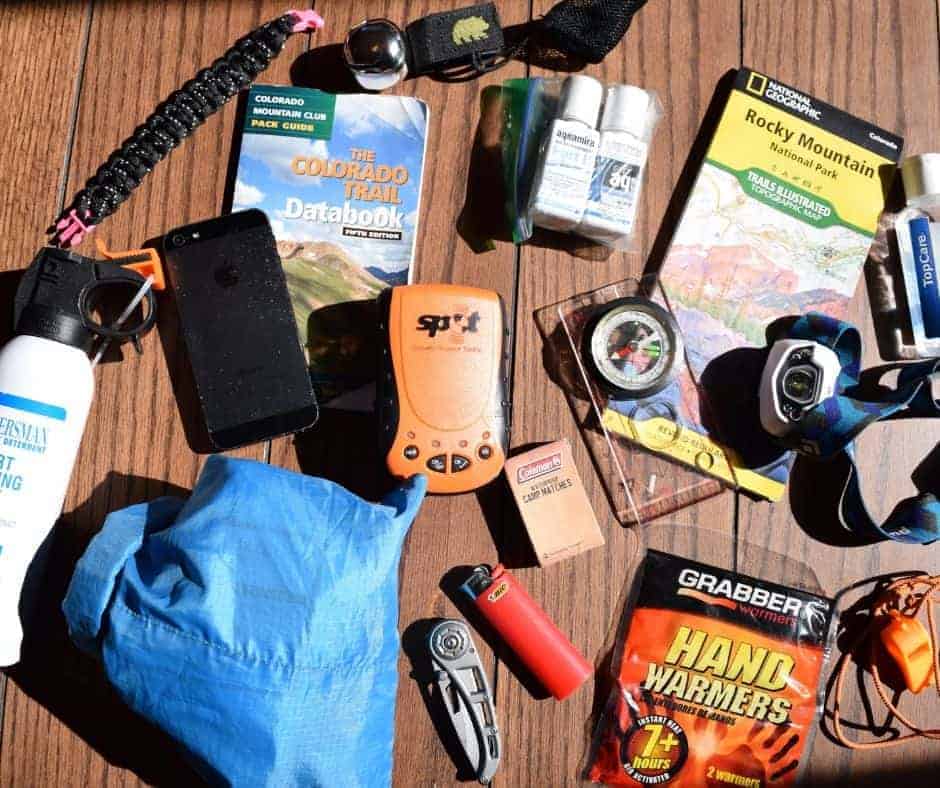
Satellite Communicator: Highly Recommended. A Garmin inReach Mini or SPOT Gen4 provides two-way messaging and SOS emergency response capability from anywhere on Earth — regardless of cell coverage. For solo hikers venturing more than a few miles from a trailhead, this is the highest-impact safety tool available. The Garmin inReach Mini weighs 3.5 oz, attaches to a shoulder strap, and works on the Iridium satellite network — 100% global coverage. Monthly plans start at $15. Browse safety gear for current satellite communicator options.
Personal Locator Beacon (PLB): The No-Subscription Alternative. A PLB is a one-way emergency device that triggers a rescue through the COSPAS-SARSAT satellite system when activated — no subscription required. Best no-cost emergency option for hikers who go solo occasionally.
Choosing the Right Trail for Solo Hiking
Trail selection is more important for solo hikers than for groups.
Stick to well-marked, well-traveled trails for newer solo hikers. Popular trails mean other hikers around you, maintained trail markings, and the comfort of knowing people will notice if something goes wrong. Popularity is a feature when you're building solo hiking confidence.
Be more conservative about difficulty. A trail that's challenging but manageable with friends becomes more serious when an injury means you're getting yourself out alone. The general solo hiking rule: start with trails that are below your perceived fitness limit until you've assessed how your body actually responds to solo hiking.
Research current conditions. Check trail reports on AllTrails within 48 hours of your hike. Recent hiker comments are more reliable than official park information for current conditions. See the full framework in how to choose the right hiking trail.
What to Carry Solo: The Upgraded Kit
Solo hikers need a more comprehensive kit than group hikers because there's no one else in the group carrying shared safety supplies.
Navigation: Phone with offline maps and a portable battery pack for charging, paper map backup, compass if you'll be in unmapped terrain.
Communication: Garmin inReach or SPOT device, fully charged phone.
Enhanced First Aid: The SAM Splint (a moldable aluminum splint, 3 oz) can stabilize an ankle or wrist well enough to self-rescue from most trail situations. Wider range of wound care supplies than a basic blister kit.
Emergency shelter and fire: Emergency bivy (2 oz), BIC lighter and fire tinder, chemical hand warmers (2–3) for temperature emergencies.
For the full day hike kit, see how to pack a daypack for hiking.
Wildlife Safety for Solo Hikers
The appropriate wildlife preparation depends entirely on your location. Research the animals present in your hiking region and prepare accordingly.
Bear country: Carry bear spray (accessible, not in your pack), make noise on the trail — especially around blind corners and in dense vegetation — and know the difference between black bear and grizzly bear encounter protocols. Never run. Make yourself large and loud for black bears; play dead for brown/grizzly bears in a defensive attack. For the full guide, see bear safety on the trail.
Mountain lion territory: Make noise, maintain eye contact if you see one, and back away slowly without turning. Do not run — running triggers pursuit instinct.
Snake awareness: Watch where you step, particularly on warm afternoons when snakes are most active on sun-exposed rocks and trails. Step on top of rocks and logs rather than over them blindly.
The key point: wildlife encounters are rare, wildlife attacks are rarer still. The appropriate response is almost always to make your presence known.
Solo Hiking Safety Checklist
Run through this before every solo hike:
- Trip plan left with a trusted person including trail name, route, and return time
- Offline maps downloaded before leaving the parking lot
- Satellite communicator charged and attached to pack or shoulder strap
- Phone fully charged with portable battery backup in pack
- Enhanced first aid kit including SAM Splint
- Emergency bivy and fire starter in pack
- Bear spray accessible (not buried) in bear country
- Trail difficulty matched conservatively to current fitness level
- Current trail conditions checked within 48 hours
Products We Recommend
Written by
Marcus Osei
Founder & Lead Reviewer · Trailwise Gear
Former wilderness guide with 15 years of expedition experience across Patagonia, the Rockies, and the Himalayas. Has personally tested over 400 pieces of gear in the field.
PCT Section Hiker · Appalachian Trail Thru-Hiker
Meet the full team →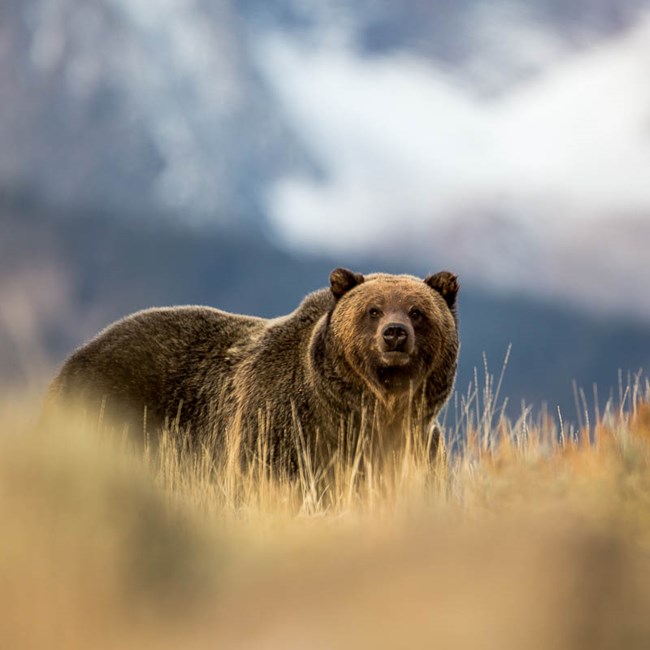
Find the Best Gear
Browse our expert-ranked gear categories.