Expert Rankings
Best Safety Gear for Hikers
The ten essentials start with being prepared. These are the safety items our experts carry on every serious hike — chosen for reliability, weight, and the ability to get you out of trouble when it counts.
Ranked from best to good — updated April 2026
 Editor's Choice
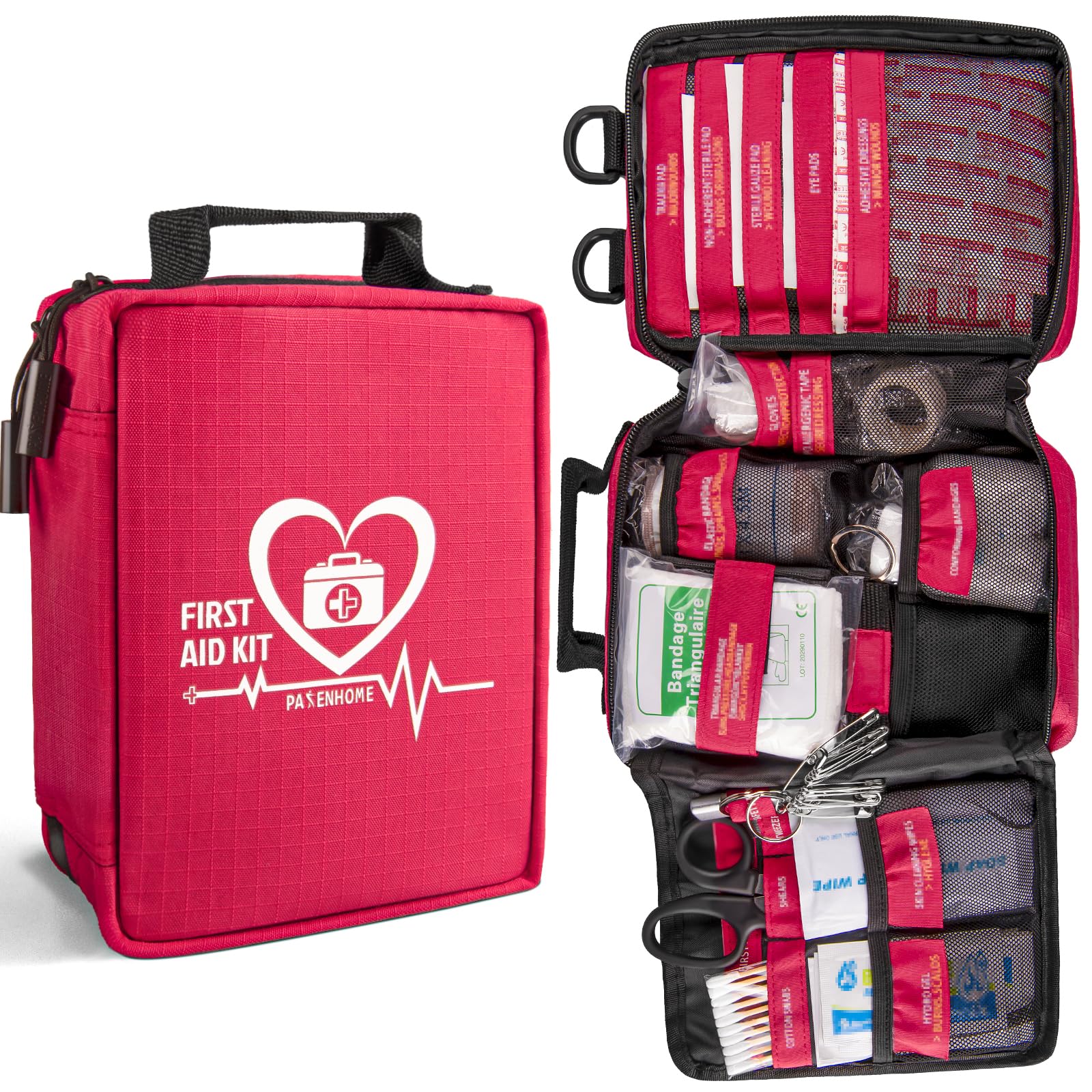
Pasenhome First Aid Kit, Emergency Kit with Labelled Compartments
The most organized first aid kit we've tested. Color-coded, labelled compartments let you find what you need in seconds under stress — exactly what you want when treating a wound on a remote trail.
- 238-piece comprehensive first aid kit
- Color-coded labelled compartments for fast access
- Water-resistant hard-shell EVA case
- Includes trauma bandages, splint, CPR mask
- Compact dimensions: 9.5 x 7 x 3 inches
- Suitable for groups of 1–10 people
 Best for Backpacking
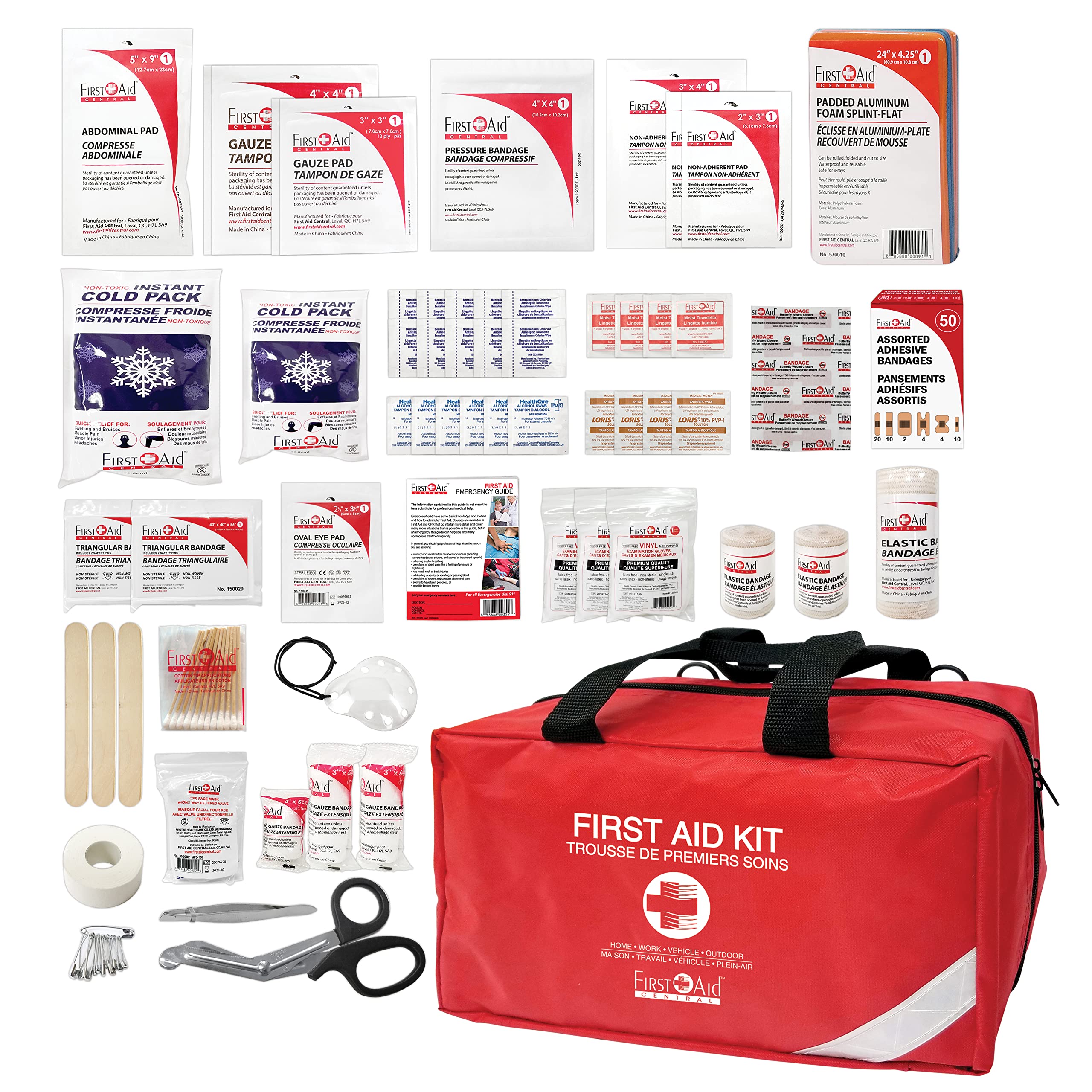
First Aid Central AZ-SPFAKN Deluxe Sports First Aid Kit, 139 Pieces
Purpose-built for backcountry and sports use, with blister care, elastic bandages, and moleskin alongside the standard trauma supplies. Lightweight enough to justify bringing on every overnight trip.
- 139-piece sport-focused first aid kit
- Includes moleskin and blister pads for hikers
- Elastic bandages and triangular sling
- Soft nylon bag with multiple zippered pockets
- Weighs approximately 1.1 lbs
- Meets ANSI/ISEA first aid kit standards
 Best Budget
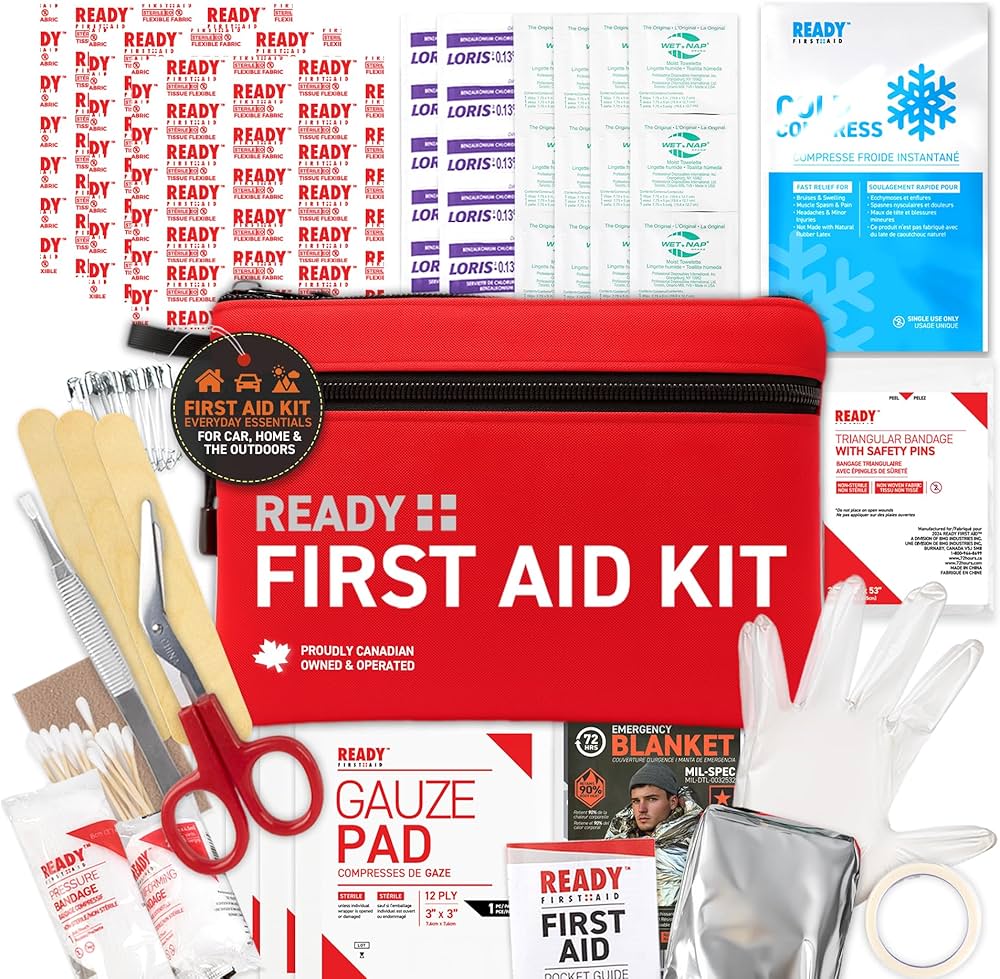
Ready First Aid 107 Piece First Aid Kit
A no-frills, highly capable kit at a price that makes it easy to keep one in every pack. Covers all the essentials for day hiking without the bulk or cost of expedition-grade options.
- 107-piece first aid kit
- Includes assorted bandages, gauze, and antiseptic wipes
- Lightweight soft-sided zippered case
- Instruction guide included for emergency reference
- Compact enough for a daypack side pocket
- FDA-compliant medical supplies
 Essential Carry
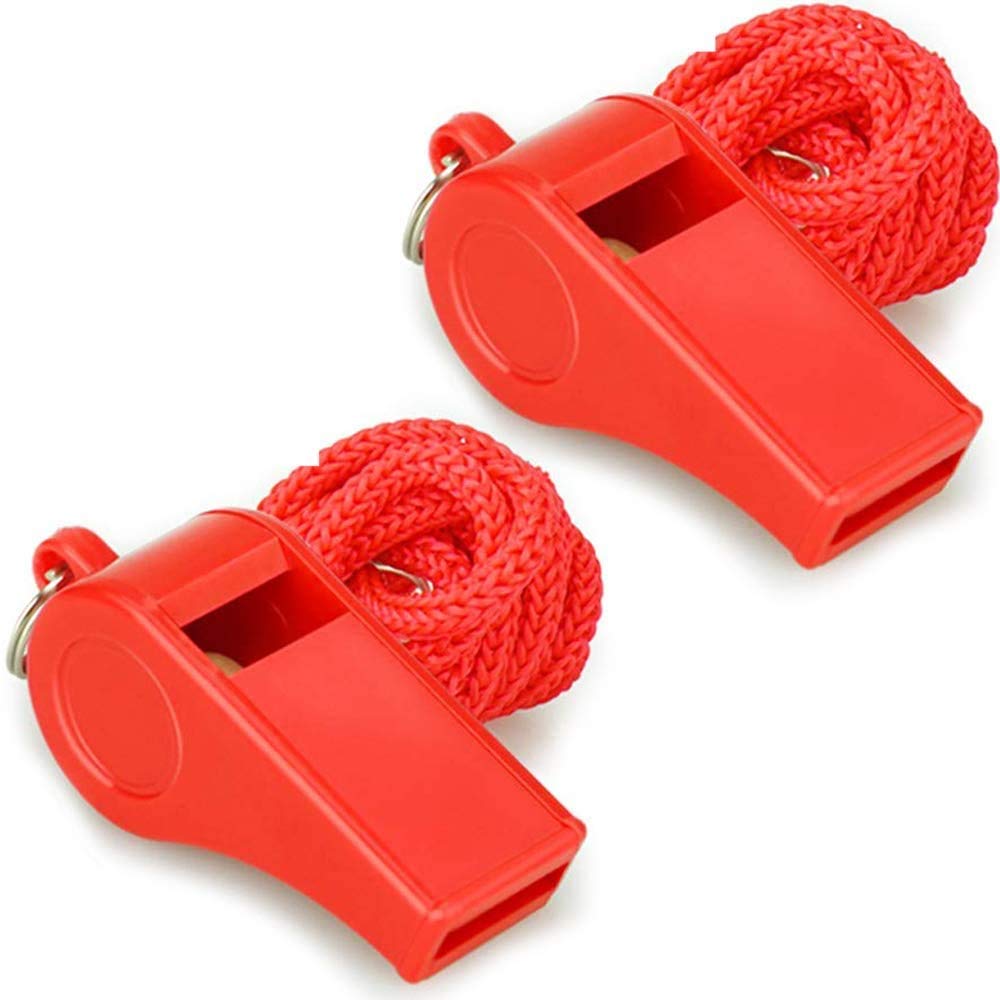
Fya Red Emergency Whistle with Lanyard, 2PCS
An emergency whistle is the lightest life-safety tool you can carry, and this one delivers a piercing 120dB blast audible over a mile away. Weighs almost nothing — there's no excuse not to have one.
- 120dB output audible over 1 mile
- Pealess design works when wet or frozen
- Lightweight ABS plastic construction
- Includes breakaway safety lanyard
- Weighs under 0.5 oz per whistle
- Pack of 2 — keep one on your pack, one as backup
 Best Satellite Communicator
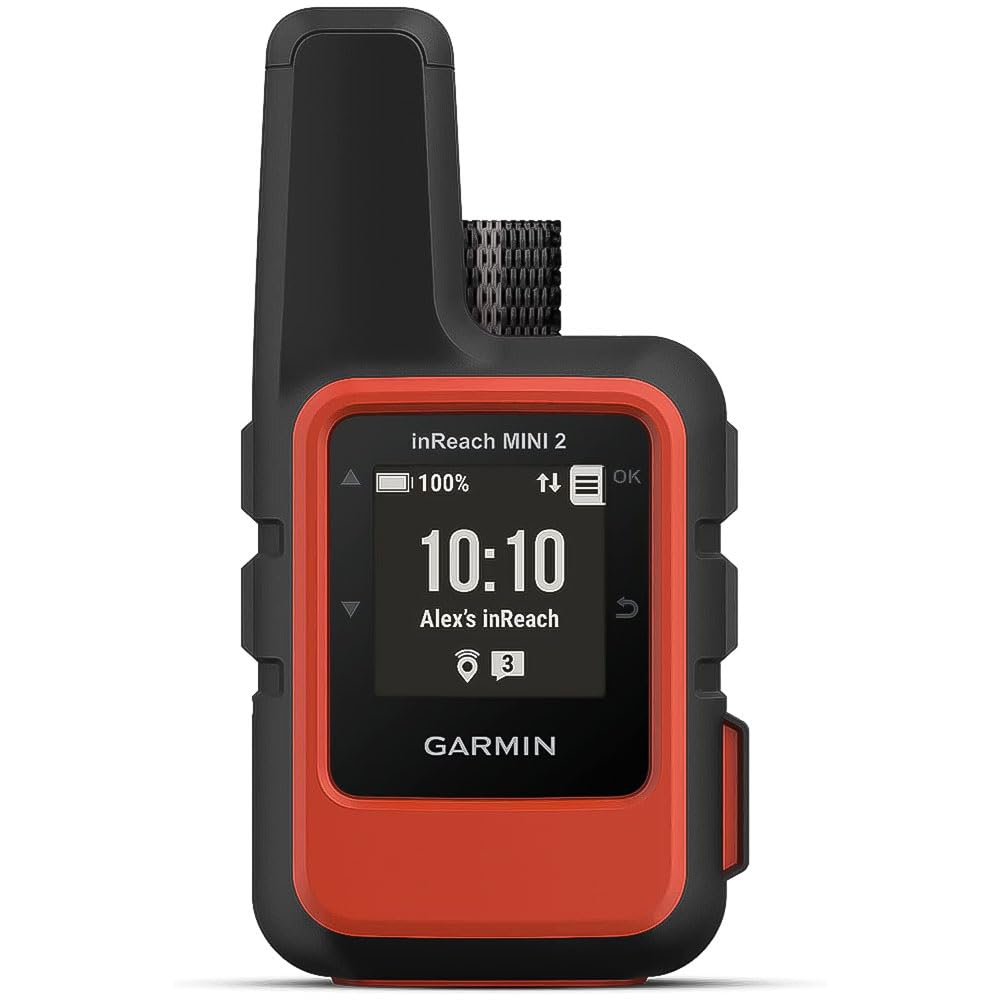
Garmin inReach Mini 2
When you're beyond cell coverage, the inReach Mini 2 is the device that can save your life. Two-way satellite messaging, SOS with 24/7 monitoring, and GPS tracking in a 3.5 oz package — worth every dollar for serious backcountry use.
- Two-way satellite messaging via Iridium network
- Interactive SOS with GEOS 24/7 emergency response
- GPS/GLONASS/Galileo tracking and route logging
- Weighs 3.5 oz (100g) — smallest in class
- Up to 14 days battery life in tracking mode
- Pairs with Garmin Explore app for trip planning
Buying Guide
How to Build Your Trail Safety Kit
Most hiking emergencies are preventable. The ones that aren't are survivable — if you have the right gear and know how to use it. Here's what every hiker should carry and why.
First Aid Kit Sizing
Match your kit to your trip type. A 50-100 piece kit is adequate for solo day hikes on maintained trails. Multi-day trips and groups need 100-200 pieces with trauma supplies, SAM splints, and blister care. Remote expeditions require a wilderness first aid kit built around evacuation scenarios. Don't buy a kit you won't carry — a smaller kit you bring beats a comprehensive one left in the car.
Communication: Cell vs. Satellite
Assume there is no cell signal anywhere meaningful in the backcountry. A satellite communicator (Garmin inReach, SPOT) is the only reliable way to call for help from remote terrain. The inReach Mini 2 allows two-way messaging — critically, you can confirm help is coming. One-way SPOT devices are cheaper but cannot receive confirmation. If you hike alone or venture off-trail, a satellite communicator is non-negotiable.
Signaling Devices
A whistle is the most underrated piece of safety gear you can carry. Three short blasts is the universal distress signal. A quality pealess whistle (Fox 40, Storm, Fya) works wet, frozen, and doesn't require batteries. Mirror signals are visible for miles in sunlight — a simple signal mirror weighs under an ounce and should be in every pack. Brightly colored gear also aids aerial search and rescue.
Navigation Redundancy
GPS apps fail when your phone battery dies. Always carry a paper topo map and know how to read it. A baseplate compass is a $15 insurance policy. Download offline maps before you leave cell range. The 10 Essentials list exists because people die from being lost — navigation tools aren't optional for any trip more than a few miles from a trailhead.
Know Before You Go
Gear is only part of the equation. A Wilderness First Aid (WFA) course teaches you to use a first aid kit under real conditions. NOLS and SOLO Wilderness Medicine offer weekend courses that give you the skills to manage injuries hours from a hospital. Register your trip with the ranger station and leave a detailed itinerary with someone who will call for help if you're overdue.
Emergency Shelter and Fire
Hypothermia kills more hikers than any other cause. A lightweight emergency bivy (SOL Escape, AMK SOL) packs to the size of a fist and can raise your core temperature enough to survive an unplanned night out. Fire-starting tools (waterproof matches, lighter, ferrocerium rod) let you create heat and signal for help. These items add less than 4 oz to your pack — always carry them.
Related Guides
Expert Articles on This Gear

Explore More