Leave No Trace: A Practical Guide for Every Hiker
The 7 Leave No Trace principles explained in practical terms — not abstract ethics, but concrete actions you can take on your next hike to protect the trails you love.
Key Takeaways
- Principle 1 — Plan Ahead and Prepare: Most people think of trip planning as a safety issue.
- Principle 2 — Travel and Camp on Durable Surfaces: The second principle is about where you walk and sleep — and it's one that hikers violate more than almost any other, often without realizing it.
- Principle 3 — Dispose of Waste Properly: Waste disposal is the most misunderstood LNT principle in practice.
- Principles 4 and 5 — Leave What You Find + Minimize Campfire Impacts: Leave what you find means leaving rocks, plants, animals, and historical artifacts exactly as you found them.
The 7 Leave No Trace principles aren't just rules posted at trailheads — they're what keeps trails open, wilderness intact, and wildlife wild. With well over 100 million Americans heading outdoors annually on more than 10 billion outings, even small careless habits multiply fast. One hiker's orange peel left at a viewpoint seems harmless. Ten thousand orange peels at the same spot, left by people who all thought the same thing, is a problem.
LNT is sometimes framed as a burden — a list of restrictions on what you can't do. That gets it exactly backwards. These principles are what allow trails to stay accessible, campsite vegetation to recover, and wildlife to remain wild rather than dependent on human handouts. They're what keeps the wilderness worth visiting.
This guide breaks down all 7 principles in practical, specific terms — not abstract ethics, but concrete actions you can take on your next hike.
Principle 1 — Plan Ahead and Prepare
Most people think of trip planning as a safety issue. It's also an LNT issue. Unprepared hikers cause disproportionate damage — they go off-trail when they're lost, build fires when they shouldn't, camp in fragile spots because they didn't know better, and create problems that more experienced visitors have to navigate around.
Before every trip, check the specific land management regulations for your destination. National parks, national forests, state parks, and BLM land each have their own rules about campfires, group sizes, permits, and campsite locations — and these vary by season and current conditions. A quick call to the ranger station or check of the park website takes ten minutes and prevents a lot of unintended damage.
Repackage food into reusable containers or zip-lock bags before you leave home. This reduces packaging waste in the field and keeps smells contained — both LNT and bear safety improvements in one step. Check the day hike packing list to make sure you have waste bags and the right gear to pack everything out.
If possible, schedule your trip to avoid peak-use weekends when trails and campsites are most impacted. Splitting large groups into smaller ones (most land managers recommend no more than 10 people) reduces social and environmental impact at the same time.
Principle 2 — Travel and Camp on Durable Surfaces
The second principle is about where you walk and sleep — and it's one that hikers violate more than almost any other, often without realizing it.
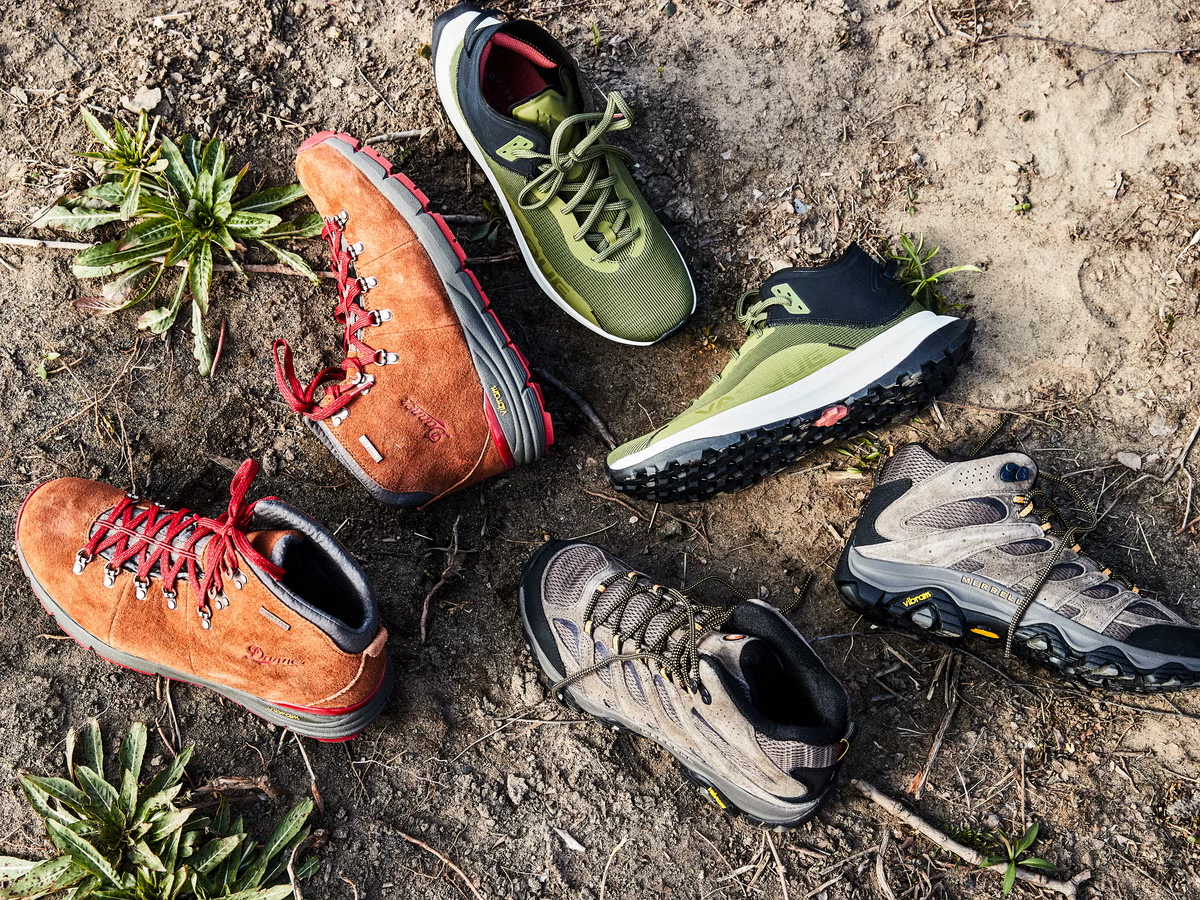
When a trail section is muddy or has standing water, the instinct is to walk around it — stepping off into the vegetation on either side. This is exactly the wrong move. Every time a hiker walks around a muddy section, they widen the trail, trample more vegetation, and start new informal paths that become permanent over time. Walk through the mud. That's what trail shoes and boots are for.
In popular backcountry areas, the LNT guidance is to concentrate use — find an existing campsite that already shows signs of use and use it rather than creating a new impact zone. In remote, lightly used areas, disperse use by camping on rock, gravel, sand, or dry grass rather than on vegetated soil, and move camp locations each night to prevent new impact areas from forming.
In both cases, camp at least 200 feet — roughly 70 adult steps — from any lake, stream, or river. Riparian zones are among the most ecologically sensitive areas in any landscape. The 200-foot rule protects water quality, allows wildlife access to water sources, and reduces the visual impact of campsites on other visitors.
- Stay on trail through mud — walking around it widens the trail permanently
- Camp 200 feet (70 adult steps) from all water sources
- In high-use areas: use existing impacted sites, not new spots
- In pristine areas: disperse use on durable surfaces (rock, gravel, dry grass)
- Good campsites are found, not made — no clearing brush or moving rocks
Principle 3 — Dispose of Waste Properly
Waste disposal is the most misunderstood LNT principle in practice. Most hikers understand pack-it-in, pack-it-out for food wrappers and gear — but fewer people know the specifics of human waste disposal or water contamination.
Everything you bring in comes back out with you. This includes food scraps, fruit peels, nut shells, and tea bags — not just wrappers and packaging. Food scraps left in the backcountry decompose very slowly and attract wildlife in the meantime, potentially habituating animals to human food sources.
When no toilet facilities are available, the standard LNT method is the cathole: dig a hole 6 to 8 inches deep in organic soil at least 200 feet from water sources, trails, and campsites. Pack out all toilet paper and hygiene products in a sealed bag. A small zip-lock bag weighs nothing and solves the problem entirely. In some highly impacted areas, human waste must be fully packed out using a WAG bag — check land management regulations before your trip.
Carry water 200 feet from any stream, lake, or river before using soap for any purpose — even biodegradable soap. Biodegradable soap still affects aquatic ecosystems when it enters water directly, but it breaks down harmlessly in soil.
Principles 4 and 5 — Leave What You Find + Minimize Campfire Impacts
Leave what you find means leaving rocks, plants, animals, and historical artifacts exactly as you found them. No picking wildflowers, no moving rocks, no taking home pretty stones or feathers. Removing artifacts from public lands is illegal under the Archaeological Resources Protection Act. It also means not introducing non-native species — clean your boot soles between trips to different ecosystems, as seeds and spores hitchhike in mud and can spread invasive plants to new areas.
Don't build cairns (rock stacks) in backcountry areas unless they're specifically sanctioned trail markers. Unauthorized cairns mislead hikers about routes and have become a significant problem in many popular wilderness areas.
Campfires are one of the most impactful things a camper can do to a backcountry site. Overused fire rings accumulate ash and charcoal for years, surrounding vegetation is stripped for fuel, and 80 to 90% of wildfires in the U.S. each year are caused by humans, most from escaped or improperly extinguished campfires.
The LNT guidance: use a camp stove for cooking. If a fire is important to your experience, use only established fire rings, keep it small, burn only dead wood from the ground, and extinguish it completely before sleeping or leaving camp. 'Completely' means doused with water, stirred, and cool to the touch — not just visually out.
- Leave rocks, plants, and artifacts exactly as found
- Clean boot soles between ecosystems to prevent invasive species spread
- No unauthorized cairns — they mislead other hikers
- Use a stove instead of a fire when possible
- Extinguish fires completely: doused, stirred, cool to the touch
Principles 6 and 7 — Respect Wildlife + Be Considerate of Other Visitors
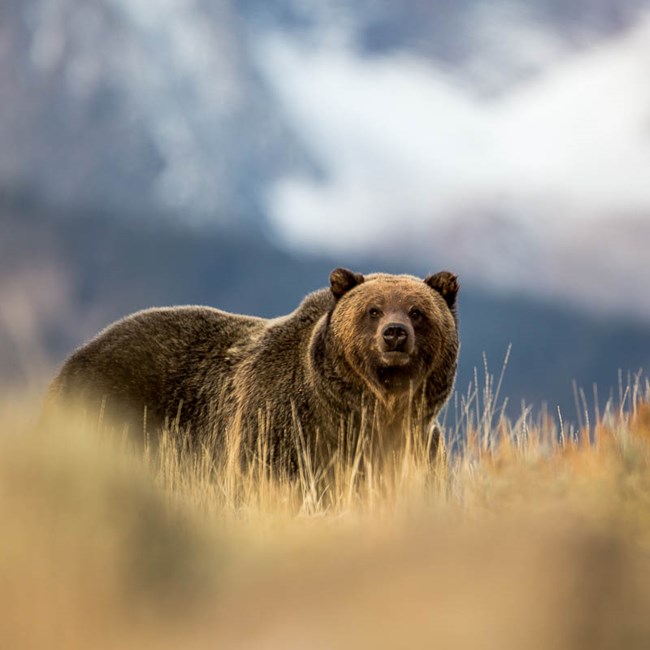
Never feed wildlife. Feeding causes direct harm most people don't anticipate — animals that associate humans with food lose their natural wariness, become aggressive, and often end up euthanized by wildlife managers. A friendly squirrel accepting a granola bar is being set on a path toward habituation that ends badly. This connects directly to food storage in bear country. For more on the wildlife-human food connection, the guide on bear safety on the trail covers how food habituation creates dangerous bears.
A simple hierarchy governs right-of-way on shared trails: equestrians have right of way over everyone, hikers yield to horses, hikers generally yield to uphill hikers, and mountain bikers yield to hikers. When you step aside, move to the downhill side of the trail so you're visible and stable.
Part of what makes wilderness valuable is its quiet. Keep your group's sound footprint small — talk conversationally, take rest breaks off the main trail, and let nature's sounds prevail. Pets should be under control at all times — dogs that run off-trail disturb wildlife, stress other trail users, and can cause confrontations. Check trail regulations before bringing a pet; some wilderness areas don't allow them at all.
The Bottom Line
Leave No Trace isn't about restriction — it's about stewardship. The wilderness that draws millions of people to trails every year is finite and fragile. It can absorb a lot of use when that use is mindful. It cannot absorb careless use at scale.
Carry out your trash. Camp 200 feet from water. Stay on trail through the mud. Skip the fire if conditions aren't right. Don't feed the wildlife. Be quiet. Leave it as you found it.
Do those things and you've done your part to keep the trails open for the next hiker — and the one after that. Explore Trailwise Gear's hiking essentials to build a kit that makes low-impact hiking easy.
Products We Recommend

Written by
Sarah Chen
Gear Analyst & Writer · Trailwise Gear
Sports science graduate with a background in biomechanics. Brings data-driven analysis to gear testing — quantifying comfort, weight distribution, and material performance.
Ultramarathon Runner · Alpine Mountaineer
Meet the full team →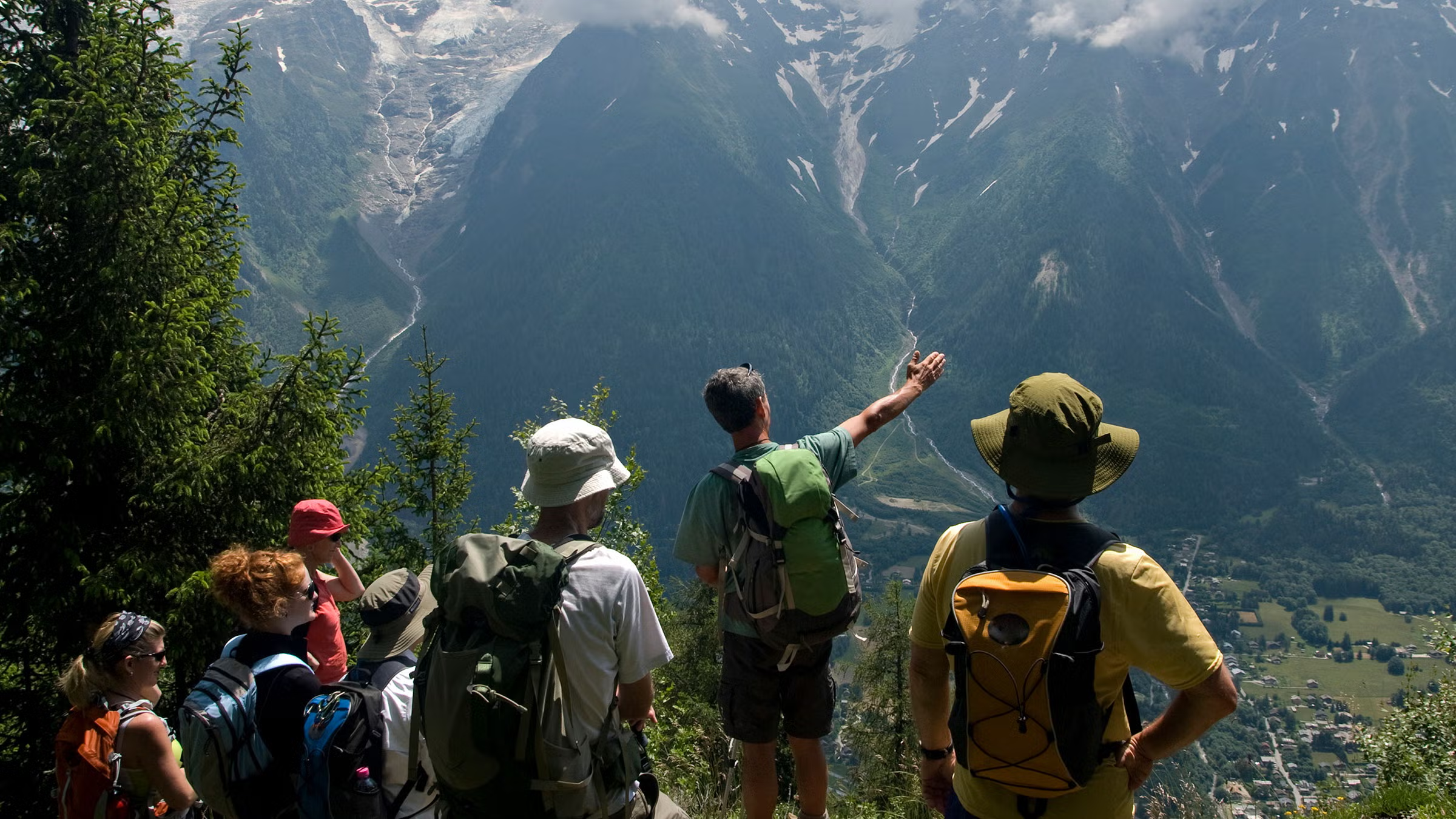
Find the Best Gear
Browse our expert-ranked gear categories.