Black Diamond vs Leki vs TrailBuddy: Best Trekking Pole Brands Compared
Black Diamond and Leki are the premium names trusted by thru-hikers for decades. TrailBuddy is the budget challenger that keeps showing up on best-of lists. Here's what actually separates them.
Key Takeaways
- Black Diamond: The Thru-Hiker's Choice: Black Diamond is the most widely used trekking pole brand on the planet's major long trails.
- Leki: The Comfort and Service Leader: Leki is a German brand and the pole of choice for trekking, mountaineering, and Nordic walking communities worldwide.
- TrailBuddy: The Budget Contender: TrailBuddy makes aluminum trekking poles that retail for $35–$45/pair on Amazon — a fraction of what Black Diamond and Leki charge.
Three brands dominate the trekking pole market at three very different price points. Black Diamond and Leki are the premium names — trusted by thru-hikers, mountaineers, and serious backpackers for decades. TrailBuddy is the budget challenger that keeps showing up in best-of lists and Amazon reviews alongside poles that cost three times as much.
Here's what separates them, when each brand makes sense, and which one you should actually buy.
Black Diamond: The Thru-Hiker's Choice
Black Diamond is the most widely used trekking pole brand on the planet's major long trails. On PCT and AT thru-hiker surveys, Black Diamond consistently holds the top brand position — not because of marketing, but because thousands of hikers have put their poles through extreme mileage and the poles delivered.
Black Diamond Alpine Carbon Cork (~$170): The benchmark carbon fiber backpacking pole. Full carbon shaft, cork grip with foam extension, and BD's FlickLock Pro lever mechanism. Consistently rated as one of the best-balanced combinations of weight (15 oz/pair), shock absorption, and grip comfort in the industry.
Black Diamond Distance Carbon Z (~$160): The thru-hiker and trail runner favorite. Z-fold design collapses to 15 inches — genuinely stowable on a pack when scrambling. At 9.6 oz for the pair, one of the lightest quality poles available.
Black Diamond Pursuit (~$100): The best aluminum all-rounder. 7000-series aluminum, FlickLock lever locks, cork/rubber grip combo. At 18 oz/pair, heavier than carbon options but bombproof for technical and off-trail use.
The FlickLock Pro mechanism is the industry standard — reliable, fast, adjustable with gloves on. BD offers a full ecosystem of replacement tips and baskets, which matters on long trails where tip wear is a real issue.
Leki: The Comfort and Service Leader
Leki is a German brand and the pole of choice for trekking, mountaineering, and Nordic walking communities worldwide. Where Black Diamond wins on lightweight trail performance, Leki wins on ergonomics, strap comfort, and legendary customer service.
Leki Micro Vario Carbon (~$200): Leki's premium adjustable-length carbon poles. The Trigger Shark strap system is widely considered the most comfortable grip-strap combo in the industry — soft, quick-adjusting, and notably less arm-fatiguing over long days than most competitors.
Leki Makalu Lite COR-TEC (~$130): The best aluminum expedition pole. Heavy-duty 7-series aluminum with lifetime warranty on the shaft. The go-to recommendation for expedition hikers who need a pole that won't fail 100 miles from a trailhead.
The strap system is what every long-distance hiker who's used both Black Diamond and Leki mentions first. If you've had wrist strap irritation with other poles, switching to Leki's Trigger Shark often solves it. The warranty and customer service are also genuinely exceptional — Leki has a documented history of replacing poles mid-hike on long trails.
TrailBuddy: The Budget Contender
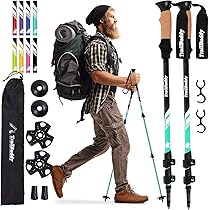
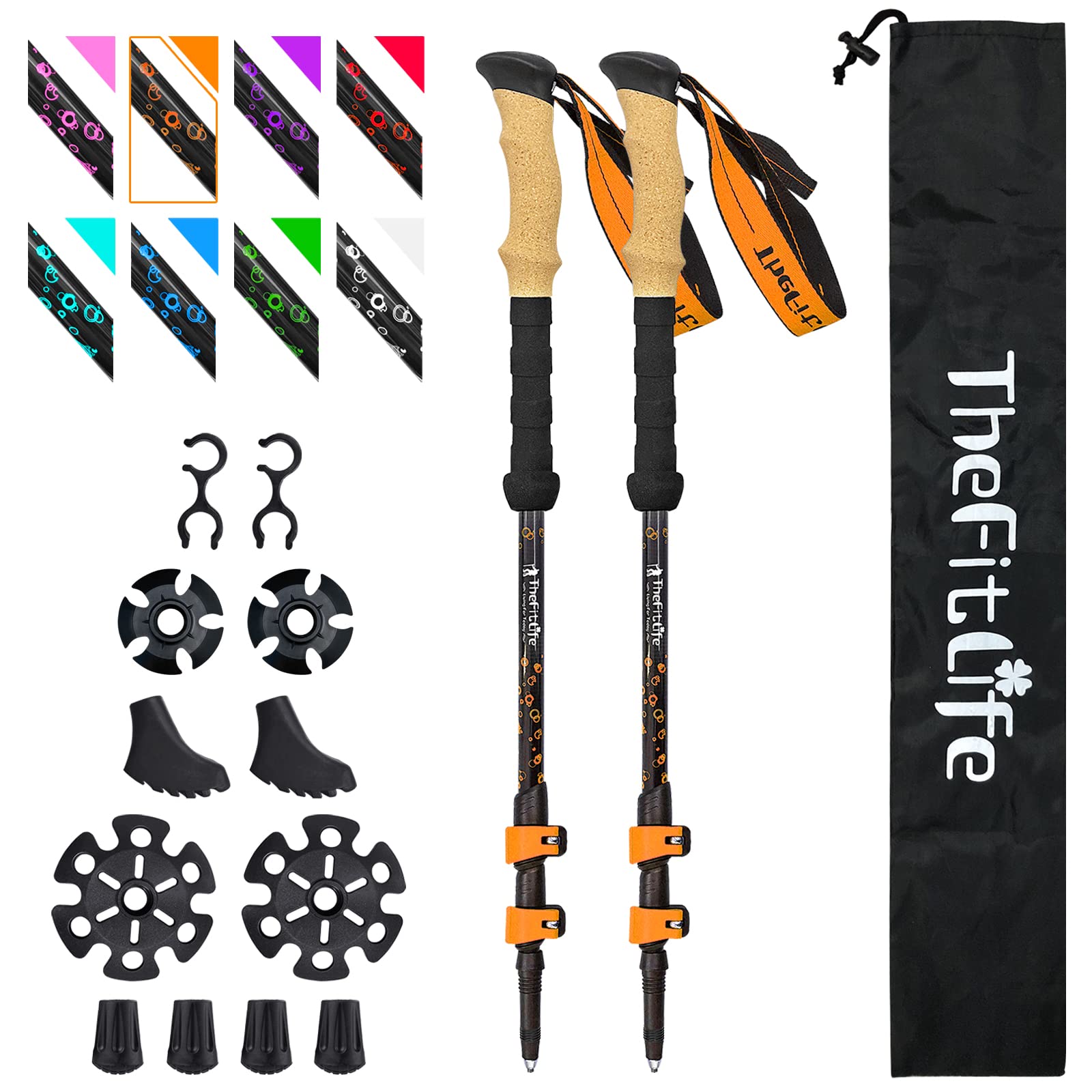
TrailBuddy makes aluminum trekking poles that retail for $35–$45/pair on Amazon — a fraction of what Black Diamond and Leki charge. They're the most common "best budget trekking poles" recommendation on hiking forums.
TrailBuddy poles use twist-lock adjustment, EVA foam grips, and basic wrist straps. They're reasonably lightweight at about 18 oz/pair and adjust from 24" to 54".
They work. Casual day hikers, beginners, and people who hike 5–10 times per year report being perfectly satisfied.
The real limitations: twist-lock mechanisms accumulate grit over time and can slip at inconvenient moments — particularly on steep descents where you're leaning on the pole. The foam grips and basic straps are adequate but noticeably less comfortable than cork on long days. For the material choice that matters more than brand, see the carbon fiber vs aluminum trekking poles guide.
Head-to-Head Summary
| Black Diamond | Leki | TrailBuddy | |
|---|---|---|---|
| Price Range | $100–$200 | $110–$220 | $35–$50 |
| Material Options | Carbon + Aluminum | Carbon + Aluminum | Aluminum only |
| Locking System | FlickLock (lever) | SpeedLock (lever) | Twist lock |
| Grip Quality | Excellent (cork/foam) | Best-in-class (Trigger Shark) | Adequate (EVA foam) |
| Warranty | Lifetime (aluminum) | Lifetime (aluminum) | Limited |
| Customer Service | Variable | Excellent | Variable |
| Best For | Thru-hiking, trail running, backpacking | Long-distance hiking, trekking, expedition | Casual day hiking, beginners, budget use |
The Bottom Line
The gap between premium and budget trekking poles is real but not dramatic for casual use. It becomes meaningful at high mileage, over multiple seasons, and on technical terrain where reliability matters.
For the full science on why poles benefit your knees and balance in the first place, the do you actually need trekking poles guide covers the research. Browse trekking poles for all options.
- Buy Black Diamond if: trail runner, thru-hiker, or fast-and-light backpacker who wants lightweight carbon performance and packable poles
- Buy Leki if: comfort over long distances is the priority, you want the best strap system, or doing expedition hiking where warranty coverage matters
- Buy TrailBuddy if: new to trekking poles, hike casually a few times per year, or want to try poles before committing $150+ to a premium pair
Products We Recommend
Written by
James Whitfield
Camping & Shelter Specialist · Trailwise Gear
Cold-weather camping expert who has tested tents in conditions ranging from -30°C to desert monsoons. The team's go-to for gear under genuine stress.
Winter Camping Instructor · 4-Season Mountaineer
Meet the full team →

Find the Best Gear
Browse our expert-ranked gear categories.