Carbon Fiber vs Aluminum Trekking Poles: Weight vs Durability
Carbon fiber is lighter and more comfortable. Aluminum is more durable and cheaper. Everything else follows from that — here's the full breakdown.
Key Takeaways
- The Core Difference: Carbon fiber poles are made from carbon fiber reinforced polymer.
- Weight: How Much Does It Actually Matter?: A quality pair of carbon fiber trekking poles weighs 12–16 oz.
- Vibration Absorption: The Underrated Factor: Carbon fiber's material properties absorb impact vibration better than aluminum.
- Locking Mechanism and Grips: As Important as Material: Lever locks (FlickLock, SpeedLock) are the modern standard.
Trekking poles are one of those gear items that seems simple until you start researching them. Carbon fiber vs aluminum. Telescoping vs folding. Twist lock vs lever lock. Cork grips vs foam grips.
Let's cut through it. The most important decision is the material — and it comes down to one simple trade-off: carbon fiber is lighter and more comfortable; aluminum is more durable and cheaper. Everything else follows from that.
The Core Difference
Carbon fiber poles are made from carbon fiber reinforced polymer. They're significantly lighter than aluminum, absorb vibration better (reducing arm fatigue on rocky terrain), and maintain rigidity without the weight penalty. The downside: carbon fiber can crack or snap under sudden lateral impact — the kind of force from a pole catching between rocks or taking a fall.
Aluminum poles (specifically 7075 aluminum alloy, the standard used in quality trekking poles) are heavier than carbon but behave differently under stress. Instead of cracking suddenly, aluminum bends. A bent aluminum pole is damaged but functional; a cracked carbon pole is done. For expedition use, technical off-trail hiking, or any situation where pole failure in the backcountry would be serious, aluminum's failure mode is more forgiving.
For the full science behind why poles matter at all, the do you actually need trekking poles guide covers the research on knee stress reduction and when poles make the biggest difference.
Weight: How Much Does It Actually Matter?
A quality pair of carbon fiber trekking poles weighs 12–16 oz. A comparable aluminum pair weighs 16–22 oz. That's a 4–8 oz difference per pair — real, but not enormous.
Here's where it adds up: trekking poles are in your hands for hours. Unlike pack weight that sits on your hips and shoulders, pole weight is actively carried and swung with every stride. Arm and shoulder fatigue from heavier poles compounds over a long day in a way that pack weight doesn't.
Many hikers who've used both report that lighter carbon poles feel meaningfully better on 15+ mile days — not because the absolute weight is so different, but because the cumulative fatigue of carrying that extra weight through thousands of pole plant cycles adds up.
For a casual day hiker doing 5-mile trails? The difference is negligible. For a thru-hiker covering 20 miles daily for months? Carbon fiber's weight advantage is meaningful.
Vibration Absorption: The Underrated Factor
Carbon fiber's material properties absorb impact vibration better than aluminum. On rocky terrain — granite slabs, scree, hardpack — every pole plant sends a small shockwave up the shaft. Aluminum transmits more of that vibration to your wrists, elbows, and shoulders. Carbon fiber dampens it.
For hikers with existing wrist or elbow issues, or anyone doing sustained technical terrain, carbon fiber's vibration dampening is a real comfort benefit.
Locking Mechanism and Grips: As Important as Material
Lever locks (FlickLock, SpeedLock) are the modern standard. A quick flip of an external lever locks the pole section in place. They're fast, reliable, and adjustable with gloves on. This is the mechanism on quality poles from Black Diamond, Leki, and MSR.
Twist locks require you to rotate pole sections. They work, but are slower to adjust and can become stiff with dirt and sand over time. Avoid on backcountry trips.
Cork grips conform to your hand shape over time, manage moisture by absorbing sweat, and feel the best over long distances. Foam grips are the ultralight standard — comfortable from day one, dry faster, popular for trail running. Rubber grips are best for cold and wet conditions but can cause blisters in warm weather.
For a full breakdown of specific pole models from the three major brands, the Black Diamond vs Leki vs TrailBuddy comparison covers the lineup in detail.
The Bottom Line
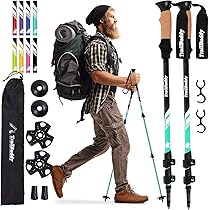
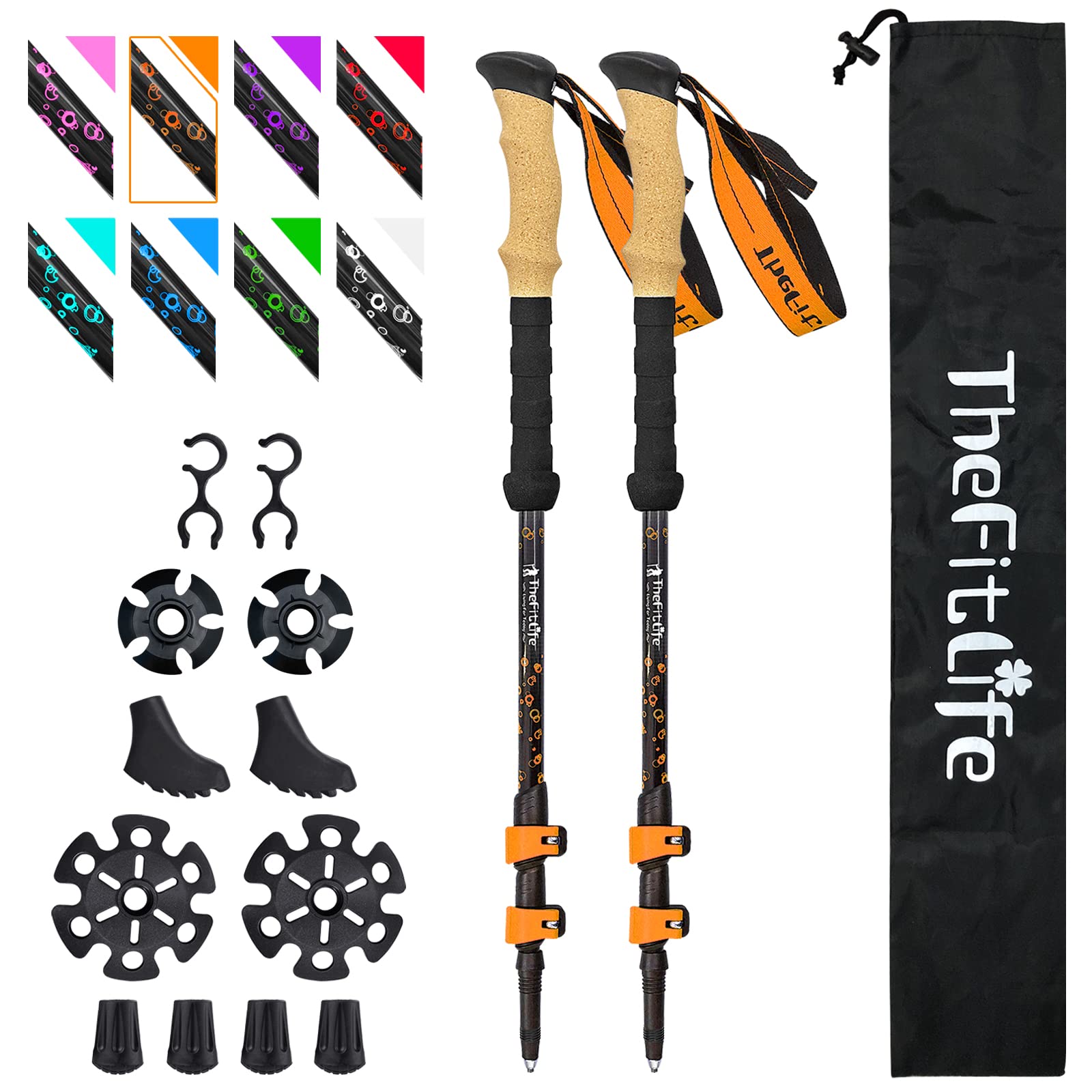
Browse trekking poles to compare all options across both materials.
- Choose carbon fiber if: high-mileage hiker doing 10+ miles per day, minimizing arm fatigue is a priority, hike primarily on maintained trail, budget allows $120–$200+
- Choose aluminum if: regularly hike off-trail or technical terrain, expedition backpacking far from resupply, harder on gear, budget is a constraint ($70–$120 for quality aluminum)
Products We Recommend
Written by
Marcus Osei
Founder & Lead Reviewer · Trailwise Gear
Former wilderness guide with 15 years of expedition experience across Patagonia, the Rockies, and the Himalayas. Has personally tested over 400 pieces of gear in the field.
PCT Section Hiker · Appalachian Trail Thru-Hiker
Meet the full team →


Find the Best Gear
Browse our expert-ranked gear categories.