Best Rain Gear for Beginners: Affordable, Packable, and Actually Waterproof
You don't need to spend $400 to stay dry on the trail. Here's what actually matters in a rain jacket — layer construction, DWR, seam taping — and how to choose the right one.
Key Takeaways
- Why Rain Gear Matters More Than the Forecast: Weather forecasts are useful, but they're not guarantees — especially in the mountains, where conditions can shift faster than your phone can update.
- The Rain Jacket — 2-Layer, 2.5-Layer, and 3-Layer Explained: Walk into any outdoor gear store and you'll see rain jackets labeled as "2-layer," "2.
- Budget vs. Premium — What You're Actually Paying For: In the $80–120 range, you'll find solid 2.
- DWR — The Hidden Factor Most Beginners Miss: The waterproof membrane inside your jacket keeps water out.
You don't need to spend $400 on a Gore-Tex shell to stay dry on the trail. But you do need something — and if you show up to a rainy hike in a cotton hoodie or a cheap poncho, you'll learn that lesson the hard way.
The good news: beginner rain gear doesn't have to be expensive, complicated, or heavy. A solid packable jacket in the $80–150 range will handle the vast majority of conditions most day hikers encounter. The trick is knowing what features actually matter, what the jargon on the label means, and how to take care of the gear so it keeps working trip after trip.
This guide cuts straight to what beginners need to know — no spec-sheet rabbit holes, no gear snobbery. Just clear, practical advice so you can make a confident choice and get out on the trail.
Why Rain Gear Matters More Than the Forecast
Weather forecasts are useful, but they're not guarantees — especially in the mountains, where conditions can shift faster than your phone can update. An afternoon that starts sunny can turn into a cold, driving rain by the time you're three miles from the trailhead.
More importantly, getting wet in cool temperatures is genuinely dangerous, even in mild weather. Wind speeds up heat loss dramatically when your clothing is wet, and hypothermia can set in at temperatures well above freezing. This is why experienced hikers carry a rain jacket on every hike, regardless of what the weather app says.
Rain gear is also part of your broader clothing system on the trail. If you haven't thought through how your layers work together yet, the guide on the three-layer system for hikers is worth reading alongside this one — your rain jacket is your outer shell layer, and understanding how it fits with your base and mid layers makes a real difference in how comfortable you stay.
A rain jacket serves double duty: it keeps rain off your body, and it blocks wind that would otherwise strip heat away. The ultimate day hike packing list lists a packable rain jacket as a non-negotiable item for any hike that ventures beyond a short, familiar local trail.
The Rain Jacket — 2-Layer, 2.5-Layer, and 3-Layer Explained
Walk into any outdoor gear store and you'll see rain jackets labeled as "2-layer," "2.5-layer," or "3-layer." This construction affects waterproofing, breathability, weight, durability, and price — but it doesn't have to be confusing.
2-layer jackets bond the face fabric to the waterproof membrane, then add a loose hanging mesh or taffeta liner on the inside. They're affordable and versatile, but tend to be heavier, bulkier, and less breathable. Fine for casual use and light rain, but not ideal for active hiking.
2.5-layer jackets skip the separate liner and instead apply a thin protective coating directly to the inside of the membrane. This makes them lighter and more packable — which is why the vast majority of hiking rain jackets fall in this category. For most beginners, a quality 2.5-layer jacket is the right starting point.
3-layer jackets bond all three components — face fabric, membrane, and an inner backing — into a single laminated piece. The result is the most durable, breathable, and packable construction. It's also the most expensive. If you hike frequently in genuinely wet conditions, the upgrade is worth it.
For waterproof ratings: a 10,000mm rating handles steady rain for most day hikers. Always look for "fully seam-taped" construction — seams are sewn with needle holes that leak unless taped.
Budget vs. Premium — What You're Actually Paying For
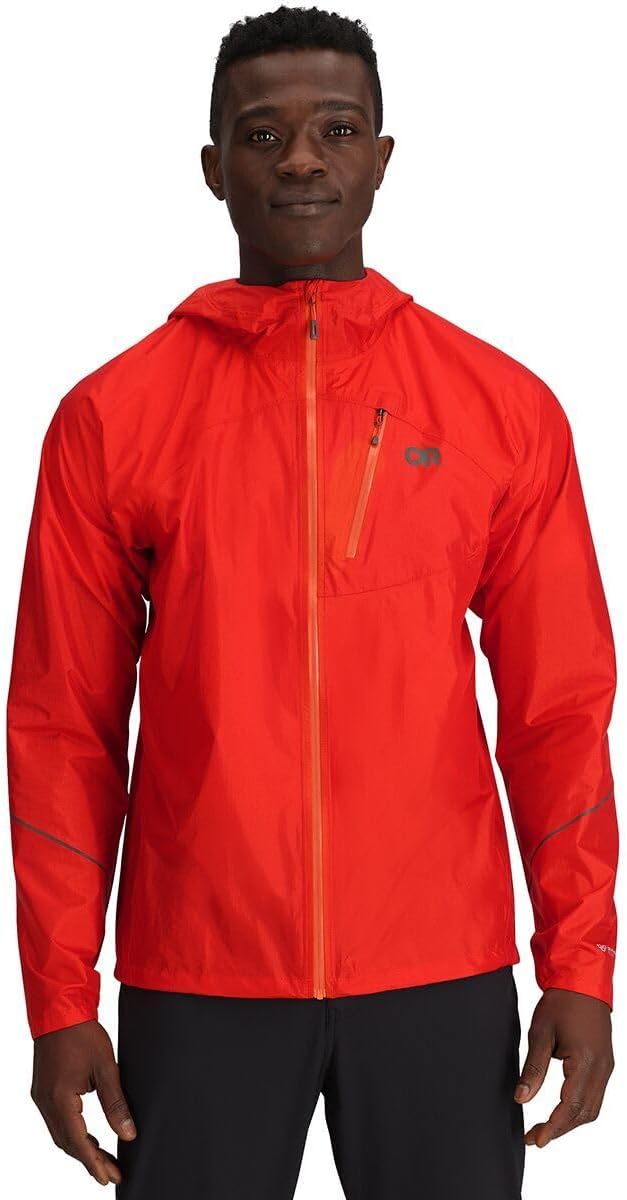
In the $80–120 range, you'll find solid 2.5-layer jackets that handle real rain. The Marmot PreCip Eco (~$110) is one of the most recommended beginner jackets — fully seam-taped, packable, with a decent hood. The Outdoor Research Helium (~$99) is even lighter and more packable, excellent as a "just-in-case" jacket.
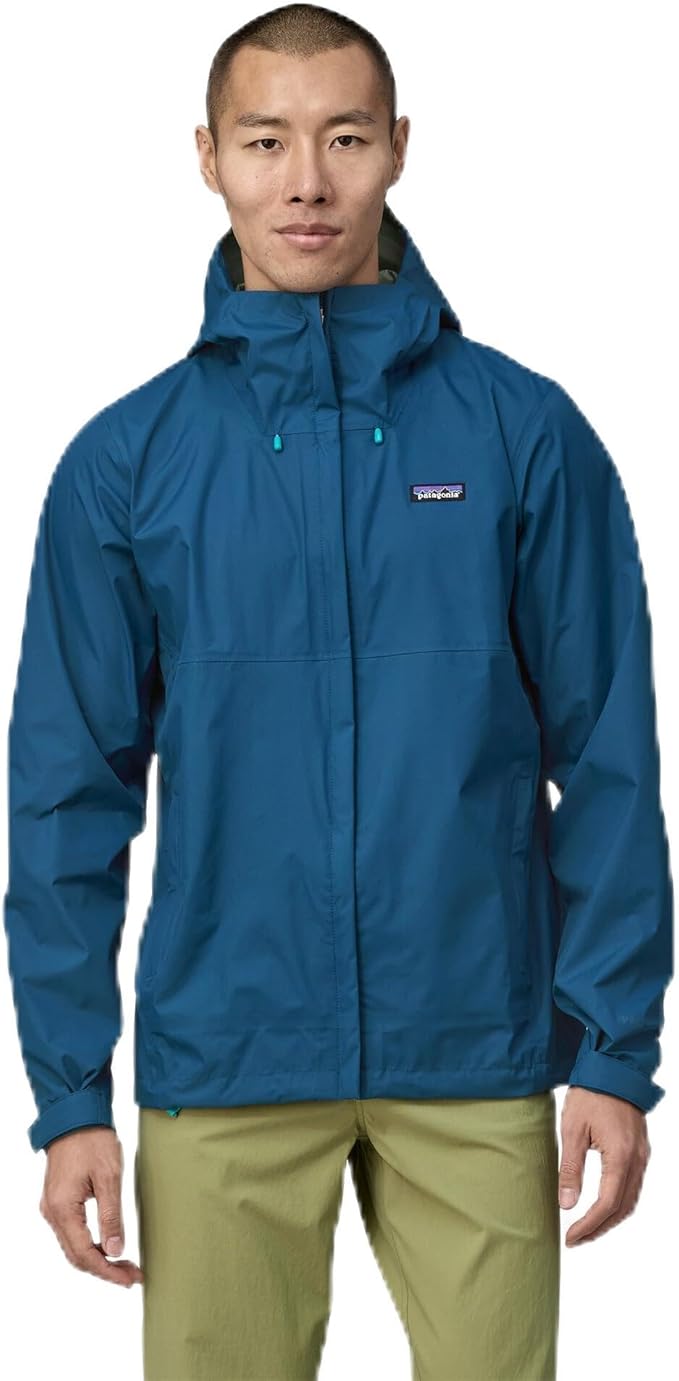
Step up to $150–250 and you get 3-layer construction, better breathability, and noticeably more comfort. The Patagonia Torrentshell 3L (~$179) is arguably the most popular hiking rain jacket at any price — three-layer construction, excellent hood, packable, and backed by Patagonia's lifetime repair guarantee.
A $400+ Gore-Tex jacket is designed for mountaineering and extended backcountry use. For weekend day hiking, it's overkill. Spend more when you hike frequently in genuinely wet conditions. Stick to the mid-range when you're getting started or hike occasionally.
- Marmot PreCip Eco — ~$110, fully seam-taped, great beginner pick
- Outdoor Research Helium — ~$99, ultralight, excellent packability
- Patagonia Torrentshell 3L — ~$179, best 3-layer value
- Frogg Toggs DriDucks — ~$40, basic but effective emergency option
DWR — The Hidden Factor Most Beginners Miss
The waterproof membrane inside your jacket keeps water out. But there's a second layer of protection most people don't know about: the DWR coating on the outside.
DWR stands for Durable Water Repellent — a treatment applied to the outer face fabric that causes water to bead up and roll off. When DWR wears out, the outer fabric becomes saturated — a process called "wetting out." A wetted-out jacket still keeps water out (the membrane below is intact), but the saturated face fabric blocks the membrane's ability to breathe. You stay dry from external rain but feel cold and clammy from your own sweat.
The fix: wash the jacket with a technical cleaner like Nikwax Tech Wash (not regular detergent, which strips DWR), then tumble dry on low heat to reactivate the DWR. If water still isn't beading after washing, apply a spray-on DWR product. Get in the habit of doing this once or twice a season and your jacket will perform like new for years.
Do You Need Rain Pants?
Most beginner hikers buy a rain jacket and consider their wet-weather kit complete. Rain pants are an afterthought — until they're not.
On a sustained wet day, all that water runs off your jacket and straight down your legs. Add in wet brush, stream crossings, and trail puddles, and your hiking pants can be soaked within an hour.
Rain pants make sense when: you're hiking in genuinely wet climates, tackling longer hikes, or heading out in cold weather where wet legs become a hypothermia concern. Skip them when you're in warm, dry conditions or on short hikes where getting a little wet is no big deal.
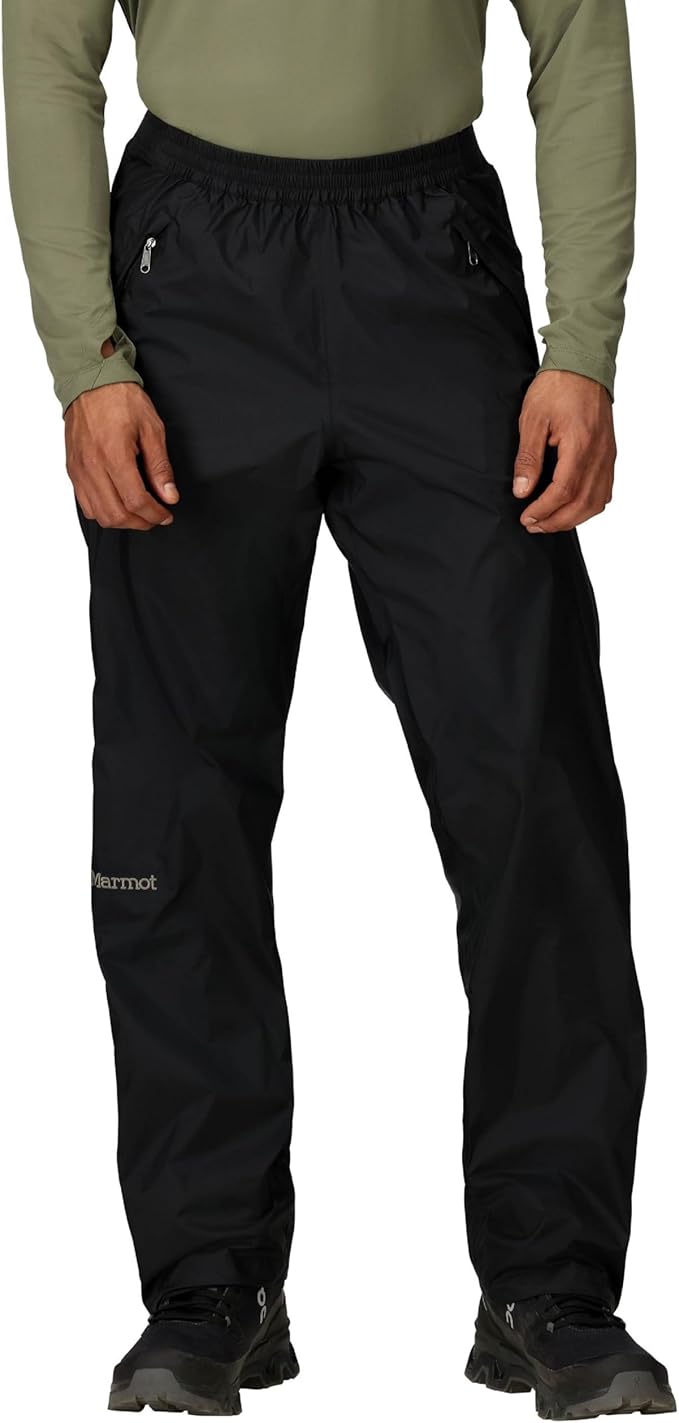
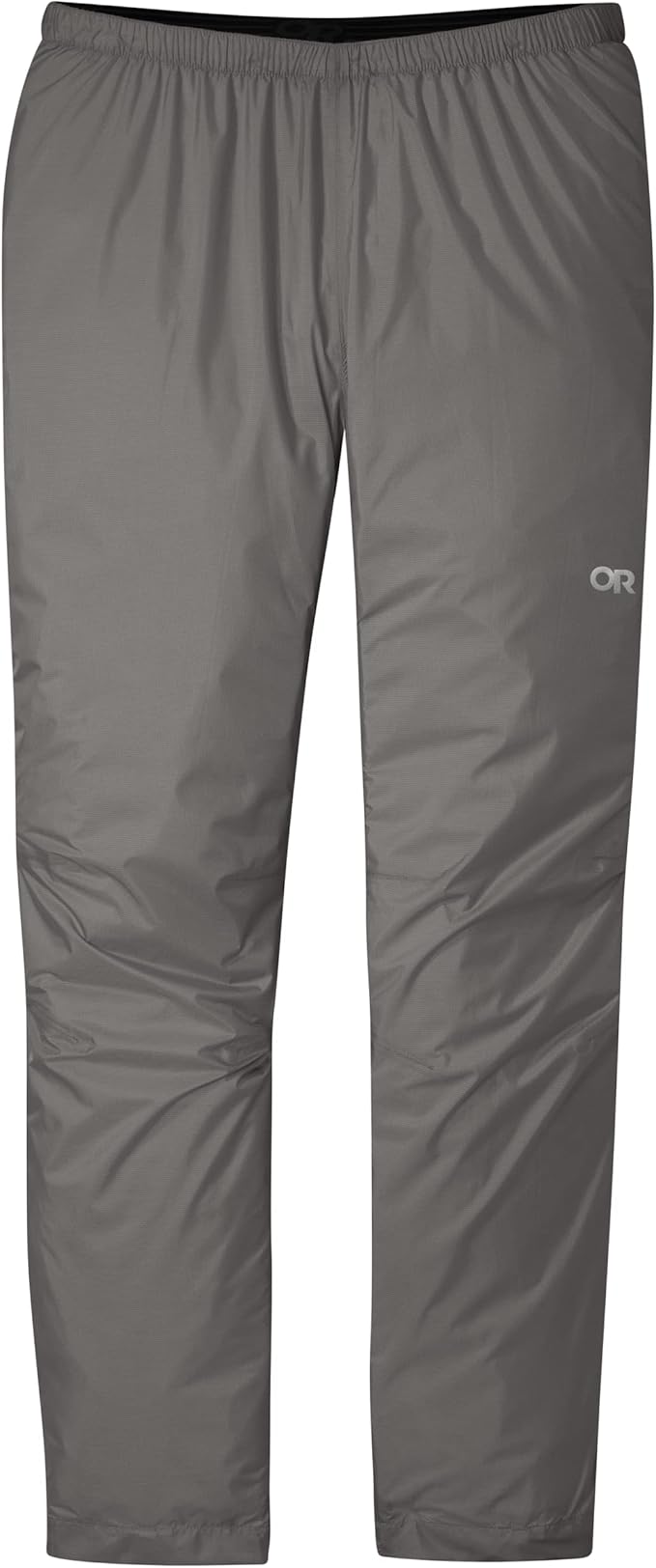
For beginners, look for ankle zippers that open wide enough to pull the pants on over your boots without removing them. Aim for under 10 ounces. The Marmot PreCip Eco Pant and Outdoor Research Helium Pant are both well-regarded options that pair naturally with the jackets above.
The Bottom Line
Getting your rain gear right doesn't require a big budget or a deep dive into technical specifications. For most beginners, the formula is simple: a packable, fully seam-taped 2.5-layer jacket in the $80–150 range, an understanding of DWR so you can maintain it properly, and rain pants if your climate or hike length warrants them.
Buy the jacket first. Take care of it. Add pants when the trail demands it. That's a complete wet-weather kit that will serve you well for years.
Ready to gear up? Browse Trailwise Gear's top-ranked rain jackets — expert-ranked options at every price point to keep you dry on the trail.
Products We Recommend
Written by
James Whitfield
Camping & Shelter Specialist · Trailwise Gear
Cold-weather camping expert who has tested tents in conditions ranging from -30°C to desert monsoons. The team's go-to for gear under genuine stress.
Winter Camping Instructor · 4-Season Mountaineer
Meet the full team →
Find the Best Gear
Browse our expert-ranked gear categories.